News Summary
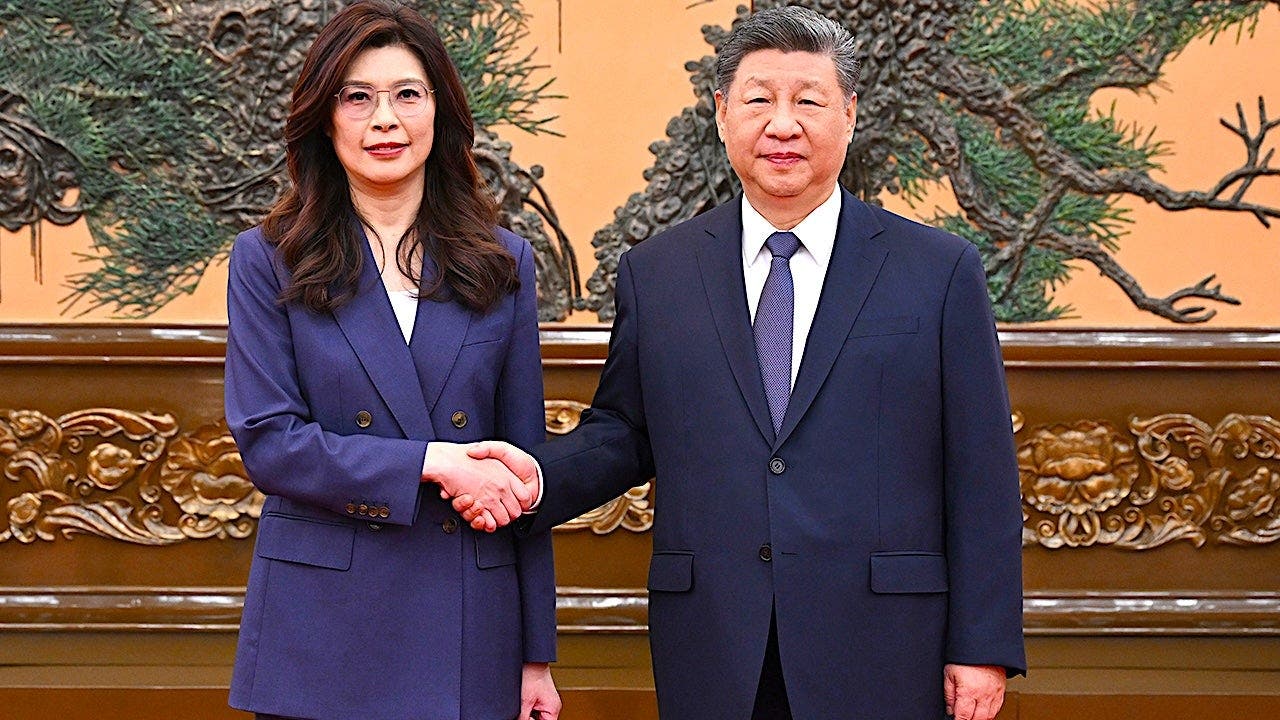
On April 10, 2026, Chinese Communist Party General Secretary Xi Jinping met in Beijing with Cheng Li-wun, chairwoman of Taiwan's Kuomintang (KMT). The meeting, conducted in their capacities as party leaders, marked the first meeting between the PRC supreme leader and the head of Taiwan's main opposition party in nearly a decade. Photographs released by Xinhua show Xi and Cheng posing and shaking hands. Xi reiterated the PRC position that Taiwan is part of China and spoke of a ‘‘rejuvenation of the Chinese nation.’' Cheng echoed language about Chinese rejuvenation and cultural ties. The meeting occurred against a backdrop of heightened cross-Strait tension: Taiwan's opposition-led coalition has been blocking a proposed $40 billion special defense budget put forward by President Lai Ching-te and the Democratic Progressive Party (DPP). Taiwanese officials and commentators expressed concern that the KMT visit could be used by Beijing for propaganda and that it risks alienating voters who favor the status quo or independence. U.S. officials, via the American Institute in Taiwan, said they support cross-Strait dialogue but expect differences to be resolved peacefully, without coercion, and with engagement between Beijing and Taiwan's democratically elected authorities. Analysts quoted in the article warned the KMT approach may no longer resonate with much of Taiwan's electorate, and U.S. political calculations — including potential arms sales tied to diplomatic moves by President Donald Trump — were noted as factors in the broader context. The article also references recent Chinese military exercises around Taiwan and public reactions within Taiwan, including voices calling for formal independence or willingness to resist by force.
Biblical Reflection
This meeting highlights a collision of competing political narratives and priorities: Beijing's insistence on sovereignty and reunification, the KMT's continuing engagement strategy, the DPP's defense- and sovereignty-focused stance, and U.S. strategic interests. The article largely reports statements and reactions from a range of actors, but its emphasis on blocked defense funding, U.S. pressure, and quotes about potential betrayal suggests a framing that privileges security and sovereignty anxieties. Christians should note several things: first, the moral cost of power politics — where truth, peace, and human dignity can be instrumentalized for national aims — requires discernment. Authoritarian regimes often use gestures of reconciliation or cultural language to legitimize political goals; Christians should distinguish sincere peacebuilding from coercive diplomacy that undermines self-determination. Second, the biblical call to be peacemakers (Matthew 5:9) does not preclude prudent defense or standing with the vulnerable; Scripture commends both the pursuit of peace and the protection of the innocent (e.g., Proverbs and the prophets' concern for justice). Third, media narratives and expert commentary can emphasize fear, urgency, or moral condemnation in service of particular policy positions. Readers should watch for selective sourcing (e.g., reliance on hawkish commentators or on analysts who treat the KMT visit primarily as propaganda), which can skew how events are understood. In short: seek truth, pray for wise leadership, hold to justice for those affected, and avoid letting partisan or nationalist rhetoric crowd out the Christian commitments to peacemaking, truth-telling, and care for the vulnerable.
Scripture in context
This outlook does not yet include contextual Scripture citations. Do not treat a general biblical theme as an exegetical conclusion.
Faithful Response
No prescribed response is offered. Consider the reflection prompts below in your own church context.
Reflection and Discussion
- 1Which voices are centered in the coverage (party leaders, foreign governments, local citizens), and whose perspectives are missing or underrepresented?
- 2Is the meeting presented primarily as propaganda, diplomacy, or something else — and how does that framing shape how I understand the motives of each actor?
- 3How should Christians balance the call to pursue peace with the responsibility to protect the vulnerable and uphold justice in situations of political coercion?
Sources
Reporting links are evidence inputs; Sanctuary News' biblical reflection is commentary.
This outlook currently relies on fewer than two linked sources. Broaden verification before teaching from it.
- 1.Original reportprimary