News Summary
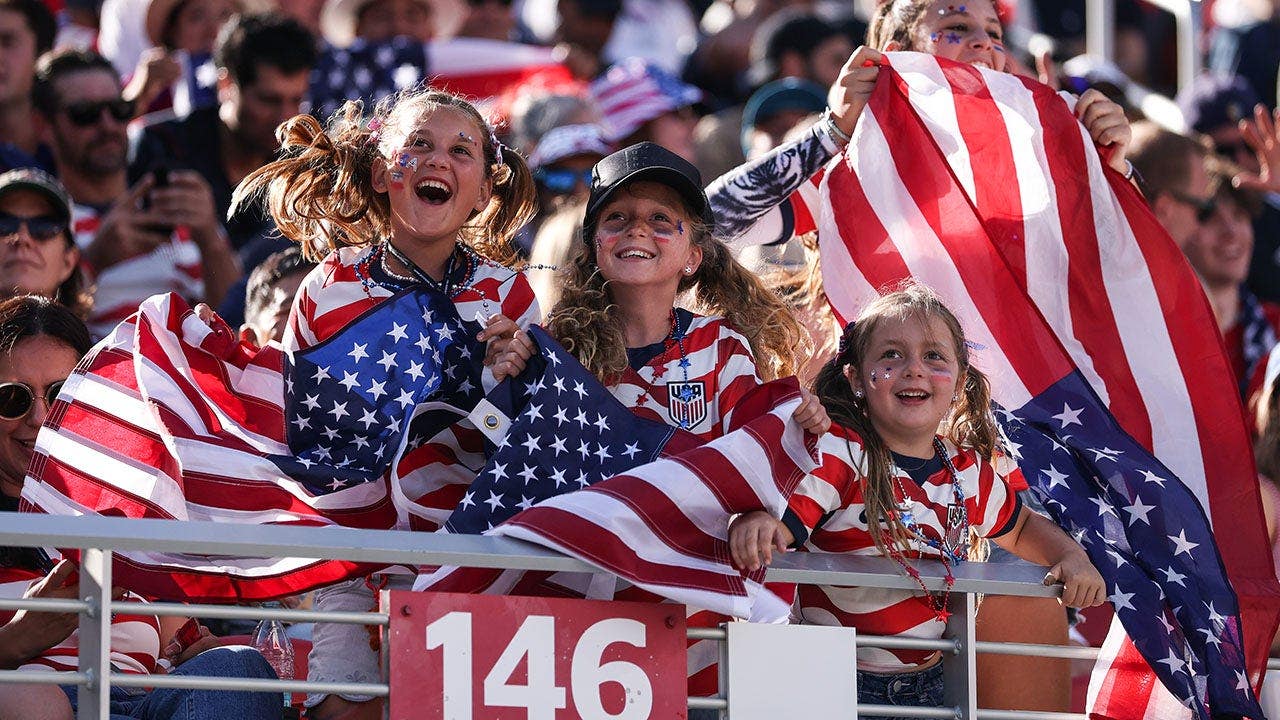
A Fox News opinion column by Riley Gaines argues that international visitors to the 2026 FIFA World Cup have publicly praised American hospitality and culture, citing anecdotes such as a German fan helped by an American named Bob and noting viral social-media videos. The piece contends these visitor experiences contrast with domestic narratives focused on national failings, criticizes media and educational emphases on negative aspects of U.S. history, and suggests sports foster unity; it includes a biographical note about the author and frames the World Cup as a reminder of America's strengths alongside acknowledged historical wrongs.
Source and Framing Analysis
Source: single opinion column on Fox News. Role: editorial commentary, not investigative reporting. Incentives: commentary aims to persuade readers toward a patriotic, corrective view of national image and to highlight anecdotes that support that view. Missing voices/evidence: no independent data on visitor impressions, no sourcing for claimed social-media view counts, no systematic survey or demographic context, and no perspectives from critics or scholars who might challenge the representativeness of the anecdotes. Disputed or sweeping claims—about media/education bias or national perceptions—are presented without supporting statistics and require independent verification.
Biblical Reflection
This column highlights genuine instances of neighborly kindness and the power of personal witness—but it is an opinion piece that leans on anecdote and selective observation. From a Christian vantage point, hospitality and kindness to strangers are virtues to be praised and practiced; these stories can serve as tangible reminders of God-honoring neighbor-love. At the same time, the article simplifies complex civic questions by treating viral anecdotes as broad evidence and by framing cultural institutions (media, education) largely as purveyors of falsehood. Christians should welcome narratives that call us to gratitude and public kindness while remaining wary of confirmation bias and partisan oversimplification. Faithful response includes both celebrating acts of kindness and holding honestly to the truth about injustice and social brokenness, practicing humility rather than triumphalism, and using hospitality as witness without neglecting repentance and repair where needed.
Scripture in context
- 1Luke 10:25-37 (Parable of the Good Samaritan) — In Luke's Gospel, Jesus tells this parable in response to a lawyer asking 'Who is my neighbor?' The story contrasts religious self‑righteousness with compassionate action by an unexpected helper (a Samaritan) toward a stranger in need. In its first‑century setting it challenged social boundaries and called listeners to active mercy beyond ethnic and religious lines. — The parable invites Christians to recognize and respond to concrete needs—hospitality to a stranded visitor, as in the article's anecdote—is itself neighborly worship. It also warns against defining neighbor-love by identity or ideology and urges sacrificial, practical care for those we do not know.
Faithful Response
Pray for opportunities to practice hospitality toward visitors and strangers and act on them when they arise.
Resist quick generalizations from viral anecdotes: seek fuller information before adopting sweeping civic claims.
Teach and model both gratitude for national goods and honest acknowledgement of historic and present injustices, embodying truth and repentance together.
Use sports and public events as intentional opportunities for the church to welcome and serve guests.
Reflection and Discussion
- 1Are viral anecdotes being treated as representative evidence, and what data would be needed to judge that claim?
- 2Which perspectives—local residents, scholars, non‑viral visitors, or critics—are absent from the narrative?
- 3How does social‑media virality shape our trust in impressions about safety, hospitality, or national character?
Sources
Reporting links are evidence inputs; Sanctuary News' biblical reflection is commentary.
This outlook currently relies on fewer than two linked sources. Broaden verification before teaching from it.
- 1.RILEY GAINES: World Cup visitors are reminding Americans what makes this country greatprimary_reporting