News Summary
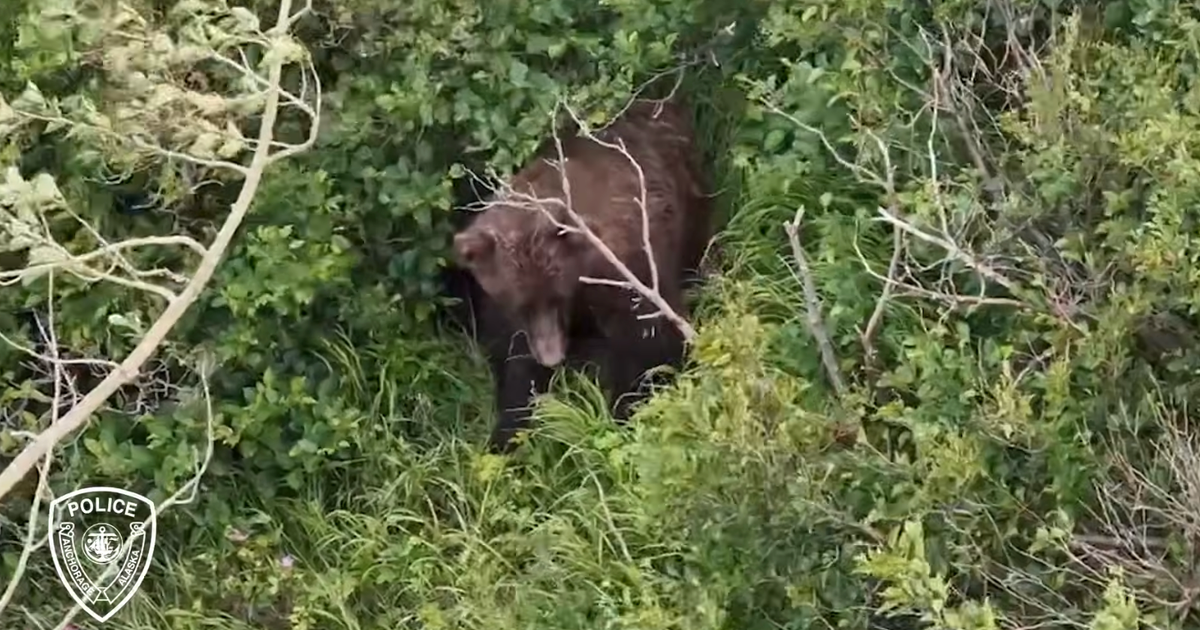
Reported facts: A woman was attacked by a brown bear while hiking in southern Alaska with a friend and three dogs; she suffered injuries, according to authorities. Attributed claims: CBS News attributes the information to authorities. Uncertainty: The article does not report the victim's medical condition, the precise location, time, what triggered the attack, whether the bear was killed or relocated, or whether emergency services evacuated the woman.
Source and Framing Analysis
The story is a short, single-source report summarizing an authority statement; it contains few details and no eyewitness or official incident report link. The lack of detail creates material uncertainty about injury severity, public-safety implications, and follow-up actions. Because the piece is brief and descriptive, there is little noticeable framing beyond straightforward reporting, but the absence of context about bear behavior or local safety guidance may leave readers with unresolved questions about risk and prevention.
Biblical Reflection
This report describes a painful and frightening encounter between a person and wild animals. Christians can respond first with compassion for the injured and their companions: pray for healing and practical support, and be ready to offer tangible help through local networks. The natural world is not neutral—wild animals can pose real danger—so a faithful response includes prudence, preparedness, and care for creation.
Theologically, incidents like this remind us of a world still affected by disorder and danger; they call for humility before God's providence and for courage in neighborly compassion. We should resist sensational reactions that treat nature as merely hostile or as something to dominate; instead, seek wise stewardship that balances human safety with respect for wildlife and the ecosystems they inhabit.
Practically, the article's sparse details mean Christians should avoid definitive judgments about cause or responsibility. Instead, support accurate information-gathering (prayerfully and practically), encourage responsible outdoor safety education, and mobilize local congregational care for victims and families when needed.
Scripture in context
- 1Psalm 91 — A poetic prayer expressing trust in God's protection amid danger; historically used by Israelites seeking assurance that God watches over the faithful in times of peril. — Offers comfort about God's presence for victims and responders, while recognizing the need for practical measures to reduce harm.
- 2Luke 10 (Parable of the Good Samaritan) — A teaching of Jesus that reframes 'neighbor' as anyone in need and urges compassionate, practical care across social boundaries. — Calls Christians to provide immediate help and ongoing support to those injured, regardless of circumstance, and to prioritize mercy and concrete assistance.
Faithful Response
Pray for the injured and those who assisted; check for updates from local authorities before acting on incomplete information.
Offer practical help to affected people if they are known locally—rides, meals, fundraising, or connections to medical and counseling services.
Learn and share wilderness-safety practices (bear-aware behavior, travel in groups, dog control, carrying deterrents where legal) to prevent future harm.
Advocate for balanced local wildlife management and public education that protects both people and animals.
Reflection and Discussion
- 1How should love of neighbor shape our preparation and behavior when entering environments where danger is possible?
- 2What steps can our community take to provide practical, compassionate support to people harmed in sudden accidents like this?
Sources
Reporting links are evidence inputs; Sanctuary News' biblical reflection is commentary.
This outlook currently relies on fewer than two linked sources. Broaden verification before teaching from it.
- 1.Woman attacked by bear while hiking with friend and dogs in Alaskaprimary_reporting