News Summary
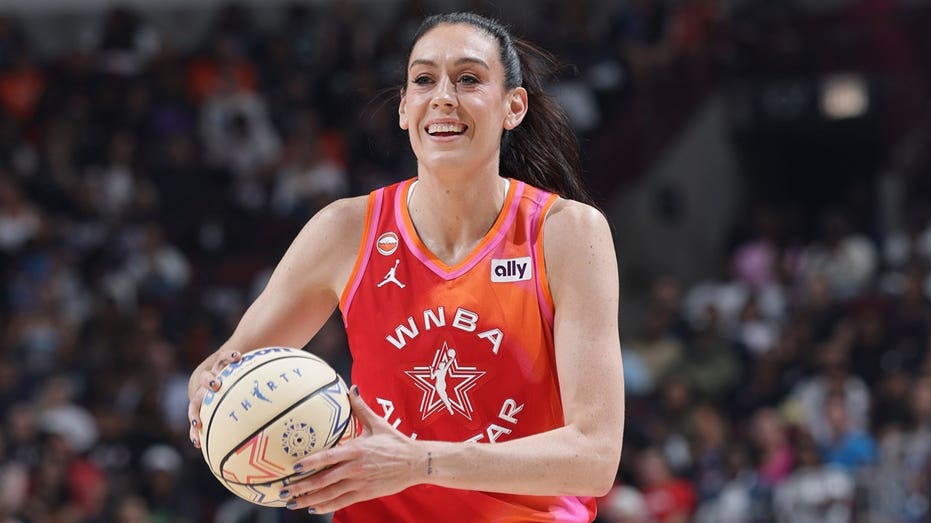
Reported facts: The WNBPA stated it did not formally ask the WNBA to remove "America 250"/USA 250 patches from All-Star uniforms. A union officer had publicly objected to the patches. The WNBA has not publicly explained why the patches were not present (or were removed). Attributions: the article attributes the union's denial to the WNBPA and notes a public objection by a union officer; the absence of an explanatory statement from the WNBA is reported as unresolved. Uncertainty: the article does not provide the WNBA's perspective, internal communications, or documentation of any formal request.
Source and Framing Analysis
The story relies on a single reporting source and a WNBPA public statement; it emphasizes denial of a formal request and the league's silence. Material uncertainty arises from lack of direct comment from the WNBA, absence of documentary evidence shown in the article (e.g., emails or formal requests), and limited context about why the patches were contested. The framing centers the union's denial, which corrects an earlier implication or claim, but without league input the narrative remains one-sided.
Biblical Reflection
The article reports a narrow labor/organizational dispute about a symbolic uniform patch and highlights an information gap: the players' union denies formally asking for removal while a union officer voiced opposition and the league has not publicly explained its choice. For Christians trying to weigh such stories, it is wise to avoid quick assumptions about motives on either side. Symbolic gestures in public institutions often carry layered meanings — patriotism, protest, identity, or corporate partnership — and the absence of full information invites rumor.
A Christlike response here emphasizes truth-seeking and mercy. Seek accurate facts before assigning blame; treat the people involved — players, union leaders, and league officials — as neighbors deserving justice and charity. At the same time, notice how symbols can inflame or soothe public sentiment; Christians called to peacemaking should resist amplifying division for its own sake while advocating honestly for those harmed or marginalized.
Finally, this story is a reminder to practice humility in public conversation: acknowledge uncertainty, prioritize verified statements, and pray for clarity and reconciliation in institutions where values and identities collide.
Scripture in context
- 1Philippians 2:3-4 — Paul's letter to the Philippians urges believers to put others above themselves and to act with humility, placing the interests of others alongside their own in a community shaped by Christ's example. — The passage calls Christians to seek humility in public disagreement: prioritize listening, avoid self-exalting assumptions about motives, and consider the welfare of others (players, colleagues, league staff) when reacting to contested symbols or institutional decisions.
Faithful Response
Listen for verified information before forming or amplifying judgments; follow official statements from both the union and the league.
Pray for clarity and the well-being of those involved, especially players and staff whose work and reputations are affected by public dispute.
Speak and share online with restraint: correct misinformation when you can cite facts, and avoid spreading speculation about motives.
Advocate for transparent processes in institutions you influence: ask organizations to explain policy decisions that affect public perception and employees' dignity.
Reflection and Discussion
- 1Am I judging people's motives based on incomplete information, and how would humility change my response?
- 2How can the church model careful truth-seeking and compassionate engagement when public issues are symbolically charged?
- 3What steps should institutions take to communicate transparently in disputes that affect public trust?
Sources
Reporting links are evidence inputs; Sanctuary News' biblical reflection is commentary.
This outlook currently relies on fewer than two linked sources. Broaden verification before teaching from it.
- 1.WNBPA says it did not ask WNBA to drop USA 250 All-Star patch after union officer publicly objectedprimary_reporting