News Summary
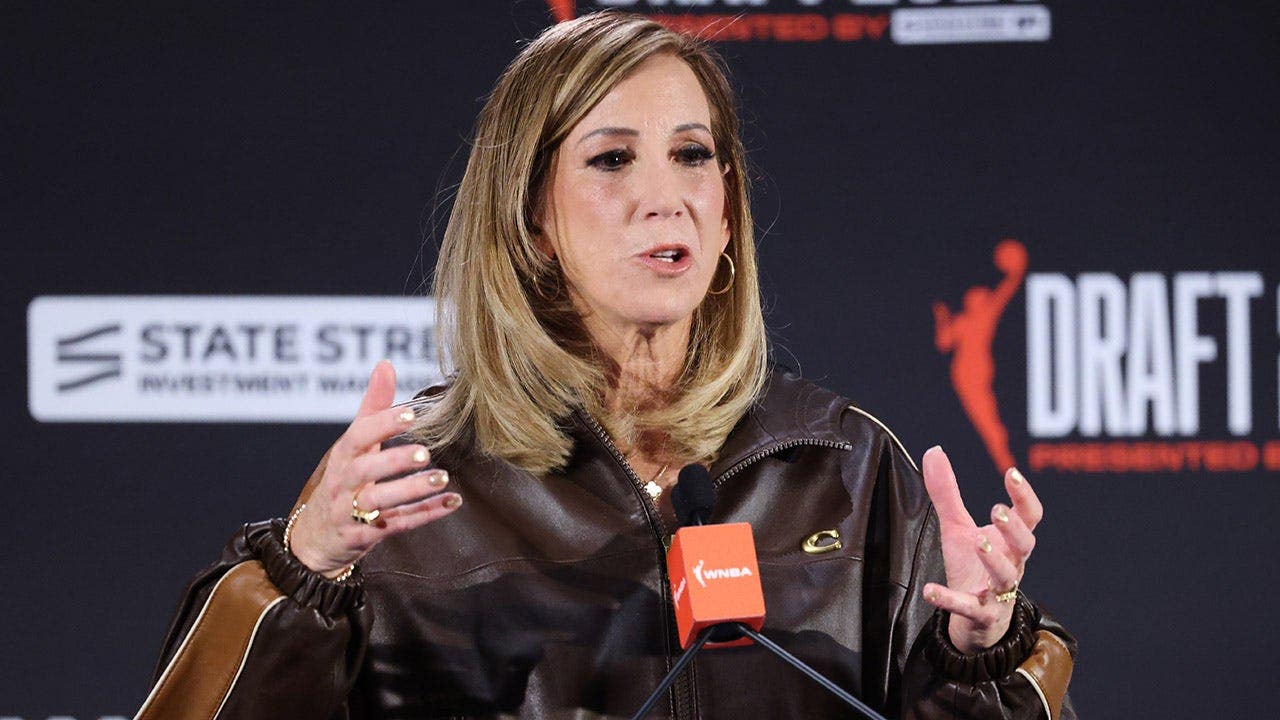
During a June 24, 2026 WNBA game between the Phoenix Mercury and the Indiana Fever, Phoenix forward Alyssa Thomas struck Indiana guard Caitlin Clark in the throat during a loose-ball scramble. On-court officials did not call the play at the time; the league later upgraded the play to a Flagrant 2 and issued Thomas a retroactive one-game suspension for a "non-basketball act." Clark exited the game with a back injury. Fever coach Stephanie White criticized the missed call. Thomas publicly complained about harassment directed at her and said she had not been properly notified about the suspension; she also criticized WNBA Commissioner Cathy Engelbert for silence. Late Tuesday, the WNBA issued a statement saying it "vehemently condemns any and all forms of hate" and affirmed its commitment to player safety. Opinion coverage from an OutKick/Fox News writer criticized Engelbert's response as capitulating to Thomas and argued the league has been inconsistent in disciplining physical plays involving Clark.
Biblical Reflection
From a Christian perspective, this story raises questions about justice, leadership, and the way communities handle conflict. Objective facts point to a physical act that endangered another player, a disciplinary response after review, and public disagreement about how the league communicated and enforced discipline. The article provided is sharply opinionated and frames Engelbert and Thomas negatively while elevating Caitlin Clark; readers should note the writer’s partisan tone and rhetorical choices. Christian virtues ask leaders to pursue impartial truth, protect the vulnerable, and administer discipline with consistency and humility. At the same time, followers of Christ are called to avoid quick moralizing or dehumanizing rhetoric: public shaming or one-sided condemnations cut against mercy and reconciliation. The league should model fair, transparent processes that keep players safe; fans and commentators should seek truth before inflaming divisions. Pray for clear leadership that balances accountability with compassion, and be wary of media narratives that simplify complex situations into heroes and villains.
Scripture in context
This outlook does not yet include contextual Scripture citations. Do not treat a general biblical theme as an exegetical conclusion.
Faithful Response
No prescribed response is offered. Consider the reflection prompts below in your own church context.
Reflection and Discussion
- 1How is the media shaping who is seen as victim or villain here, and what evidence supports those labels?
- 2Are league leaders applying rules consistently, and how would transparent procedures change public trust?
- 3How can Christians call for both accountability and restoration rather than feeding a polarizing narrative?
Sources
Reporting links are evidence inputs; Sanctuary News' biblical reflection is commentary.
This outlook currently relies on fewer than two linked sources. Broaden verification before teaching from it.
- 1.Original reportprimary