News Summary
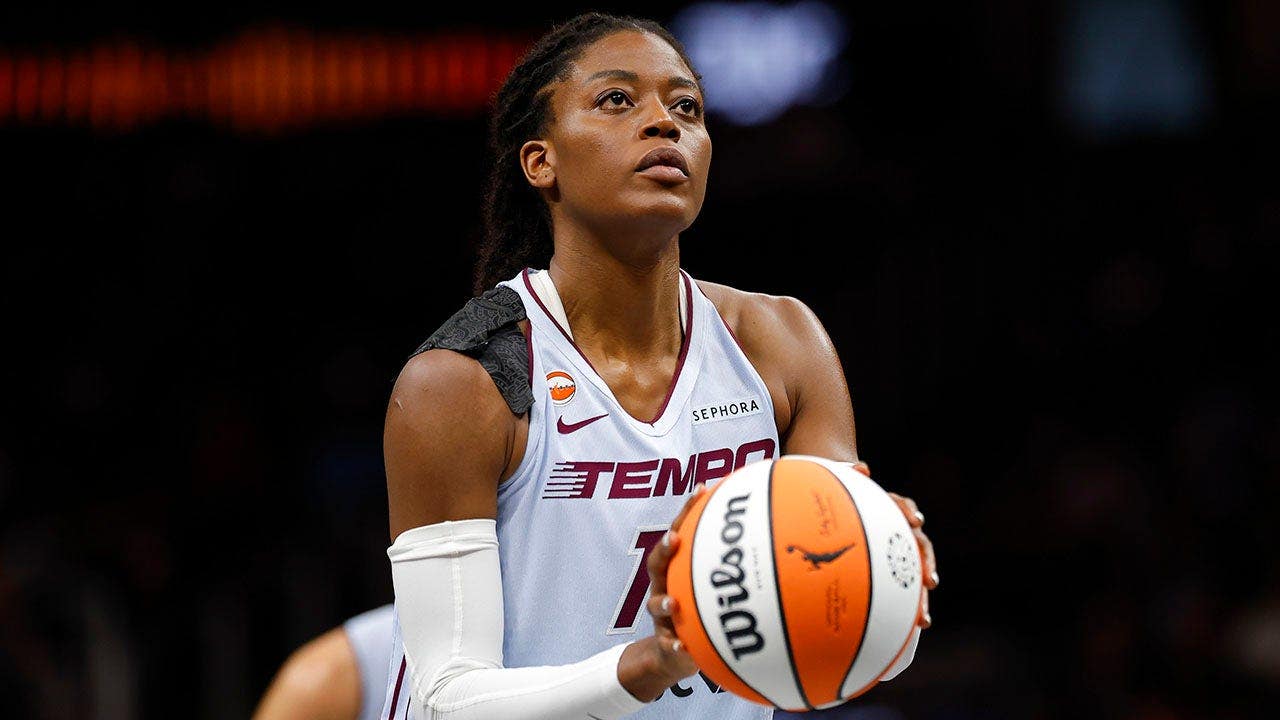
Facts: During a Tempo–Dream game, coach Sandy Brondello was heard saying "Angel, she's a protected species" while disputing a foul call; the WNBA issued a one-game suspension; Brondello apologized and acknowledged the phrase was hurtful, especially to Black women; Temi Fagbenle posted a defense of Brondello on Threads invoking Caitlin Clark; Angel Reese reacted on X; sports commentator Sage Steele criticized WNBA officiating. Attributed claims and opinion: Fagbenle characterized the phrase as a common figure of speech and alleged a double standard; Sage Steele claimed league officiating mishandles Caitlin Clark and allows egregious fouls to go uncalled—these are presented as opinion/analysis. Uncertainties: The article does not supply full league statement text beyond the suspension, independent review of the audio/video context, or widespread reactions from the players' association or other players.
Source and Framing Analysis
Source role: Fox News (Outkick) reports primary facts and includes direct quotes from Brondello, Fagbenle, and public social posts. Framing tendencies: the piece foregrounds defenses of the coach and commentary criticizing officiating, and it highlights a comparison to Caitlin Clark, which emphasizes perceived double standards. Missing voices: the article does not quote an official WNBA disciplinary statement in full, the WNBPA, other players beyond Fagbenle and Reese, referees, or independent league observers. Incentives and angle: the outlet frames controversy and athlete-driven narratives that may appeal to sports audiences and spark debate; quoting social-media reactions amplifies conflict. What requires independent verification: the disciplinary rationale from the league (full text), broader player sentiment, whether similar comments in other contexts received different penalties, and the officiating call's broader pattern (video review/analytics).
Biblical Reflection
This story centers on speech, race-conscious sensitivity, accountability, and the way media frames athletic controversies. The core facts are straightforward: a coach used a phrase on live mic, the league imposed a one-game suspension, the coach apologized, and teammates and commentators reacted. The tension arises where language, history, and power meet — people hear the phrase through different lenses shaped by race, popularity, and prior incidents. A Christian reading calls for careful attention to truth, repentance, and restorative repair. Truth requires naming what was said and how it landed; mercy calls us to hear the apology and pursue restoration rather than pure condemnation; humility warns us against reflexive defenses that dismiss others’ pain; courage asks institutions and individuals to address patterns (of officiating, or of unequal treatment) without weaponizing grievances to excuse hurtful speech. The article is framed to highlight defense of the coach and a perceived double standard (invoking Caitlin Clark), which may underplay the particular history and sensitivity of the harmed group. Christians should hold to both justice (acknowledging and remedying harm) and grace (encouraging sincere repentance and concrete steps to repair).
Scripture in context
- 1Ephesians 4:29-32 — In Ephesians, Paul writes to a diverse urban church about how the new life in Christ changes everyday behavior—speech included. In the immediate context Paul contrasts old ways (anger, slander) with the new life marked by kindness, forgiveness, and edifying speech. He addresses community ethics for believers living in a plural, often contentious society. — This passage frames speech as a moral practice that should 'build up' and foster reconciliation. Applied here, it calls coaches, players, commentators, and fans to avoid language that demeans, to accept corrective discipline when speech harms others, and to pursue repair that restores dignity—especially for members of historically marginalized groups.
Faithful Response
Listen first: prioritize listening to those harmed (Angel Reese and other Black women players) before issuing public defenses.
Model measured speech: avoid amplifying divisive or defensive narratives on social platforms and encourage measured, restorative language.
Pray and practice repentance: privately and publicly accept correction where words caused harm and pursue concrete steps to repair relationships.
Support fair process: advocate for transparent league processes and equitable discipline while resisting ad hominem attacks on individuals.
Reflection and Discussion
- 1Which perspectives are privileged in the article, and which are absent or underrepresented?
- 2Are we reacting to the most important moral issues (harm, apology, accountability) or to celebrity and partisan dynamics?
- 3How should Christians weigh calls for institutional consistency against the need to listen to those whose history makes certain words especially painful?
Sources
Reporting links are evidence inputs; Sanctuary News' biblical reflection is commentary.
This outlook currently relies on fewer than two linked sources. Broaden verification before teaching from it.
- 1.Caitlin Clark's former teammate calls out WNBA for suspending Tempo head coach over 'protected species' remarkprimary_reporting