News Summary
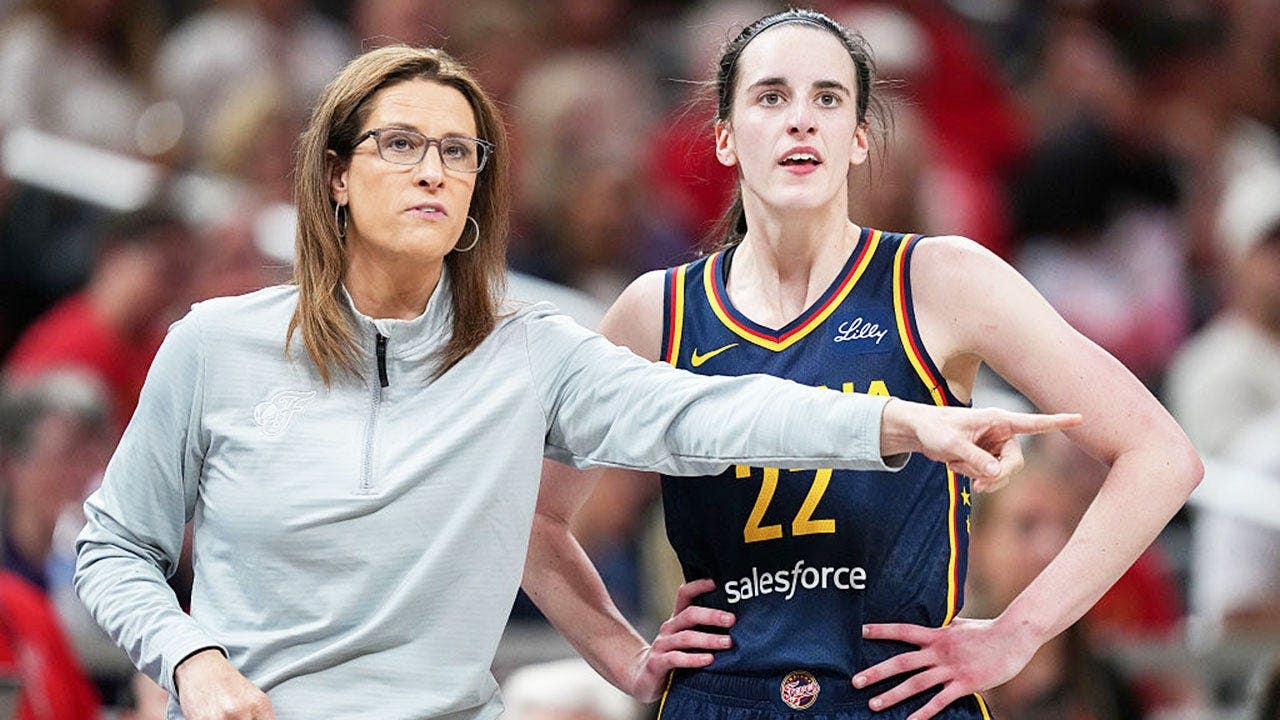
During a WNBA game, Indiana Fever player Caitlin Clark was struck by Phoenix Mercury player Alyssa Thomas; the league subsequently suspended Thomas. Thomas and others said she has received online threats following the incident. Indiana head coach Stephanie White used a media statement to condemn racism, homophobia, and online toxicity directed at Thomas and the league. WNBA commissioner issued a statement condemning hate. Some commentators and columnists responded critically, arguing the league and team statements shifted attention away from the on-court contact, officiating, and Thomas's conduct; they framed the public messaging as protecting the player and the league while placing blame on online critics.
Biblical Reflection
From a Christian pastoral perspective, several healthy and necessary threads appear here: condemnation of threats and harassment is right (people should not face death threats or hateful abuse), and public leaders are responsible to speak against bigotry. At the same time, truth and accountability matter—calling out online toxicity should not be used to deflect investigation into harmful actions or to silence legitimate questions about conduct and officiating. The article itself is opinionated and charged; it frames the coaches’ statements as predictable damage control and dismisses the reality of online abuse. Christians should resist binary thinking that forces us to pick a single narrative (victim vs. villain) and instead hold both commitments: to protect the vulnerable from threats and to insist on honest, humble accountability when harm occurs. Pastoral virtues here include truth-speaking without cruelty, protecting neighbors from harassment, and pressing for institutional justice with humility rather than partisan posture.
Scripture in context
This outlook does not yet include contextual Scripture citations. Do not treat a general biblical theme as an exegetical conclusion.
Faithful Response
No prescribed response is offered. Consider the reflection prompts below in your own church context.
Reflection and Discussion
- 1Who benefits when an incident is framed primarily as online harassment versus a question of player conduct and officiating?
- 2Are leaders using appeals to broad social harms in order to deflect accountability for specific actions, or are they naming real threats that need confronting?
- 3How does our tribal loyalty in sports shape our willingness to weigh evidence, show mercy, and demand justice?
Sources
Reporting links are evidence inputs; Sanctuary News' biblical reflection is commentary.
This outlook currently relies on fewer than two linked sources. Broaden verification before teaching from it.
- 1.Original reportprimary