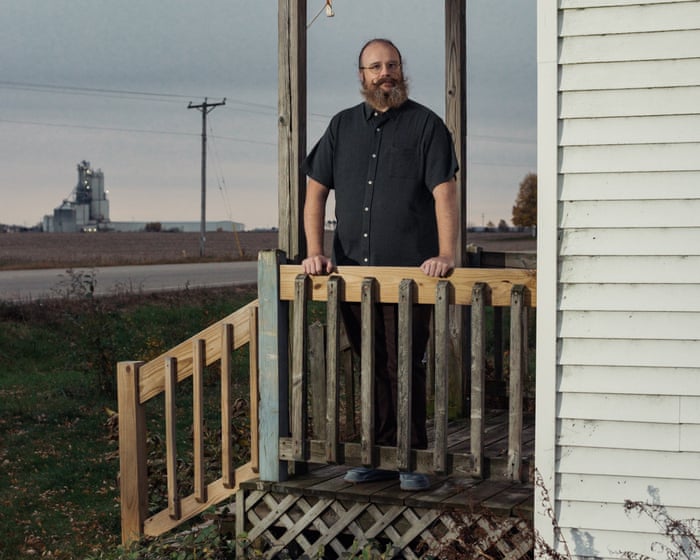
A little more detail
Residents of Menomonie, Wisconsin mounted a successful campaign to block a proposed $1.6bn AI hyperscale datacenter planned for a 320‑acre site outside the city. Reporting cited consultants estimating the project would use about 75,000 gallons of water per day.
The proposal was ultimately stopped after local opposition. The tech company behind the plan was not publicly identified in the reporting. The story highlights local resistance to large tech projects and concerns about resource use and community impact.
Source and Framing Analysis
Primary reporting for this cluster comes from a single long-form Guardian piece that centers local voices and community organizers. The article provides concrete local detail (named local actors, timing, cost and site size) and frames the episode as part of a broader, national pattern of pushback against rapid AI infrastructure expansion. Because it is single-source reporting, important corroborating records are missing or not publicly presented: the identity of the company proposing the campus is not disclosed in the piece; independent verification of the consultants' water‑use estimate (~75,000 gallons/day) is not cited; municipal records, formal approval or denial documents, and third‑party environmental or technical assessments are not linked. The Guardian’s narrative emphasis on grassroots civic resistance and environmental concern shapes framing (emphasizing community agency and risk), which is valuable for understanding local reaction but limits ability to confirm technical, legal, and corporate claims. Readers should therefore treat the reported facts as well‑sourced journalism about the local response while acknowledging evidence gaps that require municipal documents, company statements, or independent studies to fully verify.
How sources covered this story
Sanctuary separately assesses reporting quality and alignment with Christian virtues. The virtues assessment considers truthfulness, dignity, compassion, justice, peacemaking, humility, and care for vulnerable people. It does not assess a publisher's faith or reward religious language.
Compare 1 reports
Reporting 78/100Virtues 82/100
- Distinctive contribution
- Names a local actor (Sydney Brennan, 22, newly elected councilwoman), gives timing (spring 2025), quantifies the project ($1.6bn), and characterizes the proposal as secretive/unidentified big tech — details that add specificity beyond a headline.
- Framing
- Frames the story as local civic resistance within a broader national trend of pushback against the AI boom, emphasizing grassroots agency (residents mounting a successful protest) against a secretive corporate project.
- Omissions or uncertainty
- Does not identify the company, explain how the protest achieved success, describe the opponents' specific concerns (environmental, economic, zoning, etc.), nor provide documentary evidence or official statements; excerpt is brief and narrative-introductory.
- Why these scores
- The excerpt is specific and attributable (named local participant, clear timeline, monetary figure) and situates the local episode in a wider trend, which is appropriate for an explanatory piece. However, the supplied text omits key factual follow-through (which company, mechanisms of opposition and outcome), so while competent and plausibly well-sourced, the excerpt is incomplete for evaluating causation and evidence. The excerpt highlights civic engagement and local agency in defense of community interests, which aligns with virtues of justice, human dignity, and care for the vulnerable. It does not exploit or dehumanize subjects; instead it gives voice to a local actor. The score reflects constructive, respectful framing despite limited detail.
Biblical Reflection
calls us to act justly, love mercy, and walk humbly—principles that shape how Christians engage civic decisions. Community action to protect shared resources can reflect justice and care for neighbors.
Practically, respond by seeking clear facts, listening before judging (), and speaking truth with love (). Attend local meetings, ask for evidence, and prioritize the wellbeing of vulnerable neighbors when weighing development plans.
Scripture in context
- 1
- 2
- 3
- 4
- 5
- 6
Faithful Response
Attend a local meeting, ask for transparent impact studies, and listen to neighbors before deciding.
Reflection and Discussion
- 1How can I seek justice and mercy in local land and resource decisions?
- 2When have I listened well before speaking in a public disagreement?
Sources
Reporting links are evidence inputs; Sanctuary News' biblical reflection is commentary.
This is a developing, single-source report. Details may change as more reporting becomes available.
- 1.How a small Wisconsin city scuttled a secretive $1.6bn datacenter projectprimary_reporting