News Summary
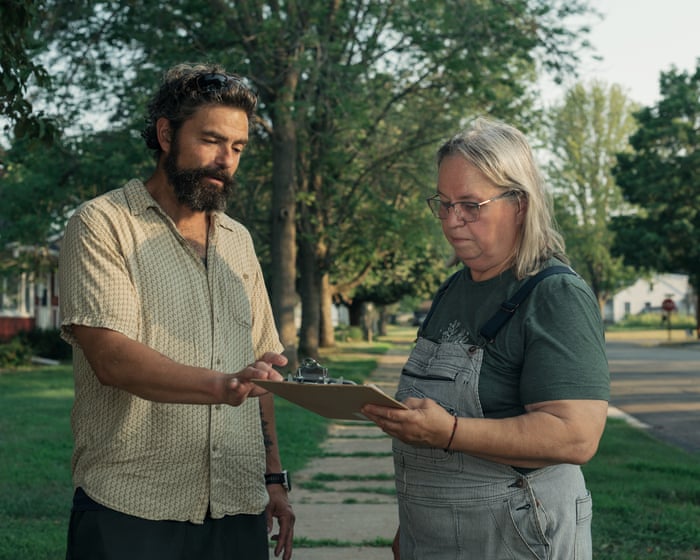
The Guardian reports that in western Wisconsin, door-to-door canvassers are intentionally centering conversations on healthcare in areas where debates over Medicare and Medicaid policy may affect voter choices. The story profiles Bill Hogseth, identified as co-executive director and lead organizer of GrassRoots Organizing Western Wisconsin (Groww), who shares that he experiences seizures frequently and recounts waking up in an ambulance while asking residents to tell their own health-related stories. The piece presents these first-person accounts as part of a broader Democratic effort to use personal testimony to engage voters but remains anecdotal and descriptive, offering no quantitative measures of the outreach’s scale or clear evidence of direct electoral impact.
Source and Framing Analysis
Source: The Guardian (single primary report). Framing: the article uses human-interest anecdotes to illustrate a grassroots canvassing tactic—door-to-door conversations about healthcare—while identifying the outreach as significant where candidates’ records on Medicare/Medicaid (cuts versus expansion) are salient. Strengths: on-the-ground reporting, named organizer and group, concrete personal example that humanizes how policy debates affect individuals. Limitations and omissions: reliance on anecdote without systematic data on how widespread the canvassing is or whether it measurably alters voting behavior; limited detail about which candidates or specific policy proposals are referenced; minimal coverage of countervailing outreach (for example, Republican messaging or comparable nonpartisan efforts) and no independent verification of claimed effects. The article frames the tactic as part of Democratic efforts in the region, but the piece itself makes clear its descriptive, anecdotal nature rather than claiming causal electoral outcomes.
How sources covered this story
Sanctuary separately assesses reporting quality and alignment with Christian virtues. The virtues assessment considers truthfulness, dignity, compassion, justice, peacemaking, humility, and care for vulnerable people. It does not assess a publisher's faith or reward religious language.
Compare 1 reports
Reporting 78/100Virtues 86/100
- Distinctive contribution
- Provides a vivid first-person anecdote about a canvasser who experiences frequent seizures (waking up in an ambulance), the personal impact on driving and work, and the organizer's role — adding a specific, human detail that exemplifies why Medicare/Medicaid policy is politically salient locally.
- Framing
- Frames healthcare as a pivotal local electoral issue and emphasizes personal storytelling by nonpartisan organizers as a tactic to persuade or inform voters; presents the tension between candidates who backed cuts to Medicare/Medicaid and those who want expansion.
- Omissions or uncertainty
- No quantitative data or broader polling is provided to show how widespread this concern is; the excerpt gives a single anecdote without indicating representativeness. It does not specify which candidates or policy proposals are meant, nor the timing or scale of the canvassing. The group's nonpartisan claim and potential affiliations are not detailed.
- Why these scores
- The excerpt is concise, attributes statements to a named individual and organization, and uses a concrete anecdote to illustrate a larger political issue — appropriate for a human-interest lead. It lacks broader context, data, and specifics about the policies or scale of the phenomenon, which limits completeness but not basic accuracy or responsible attribution. The passage centers a vulnerable individual's experience in a respectful, humanizing way that promotes empathy and concern for others affected by health policy. It avoids sensationalism or dehumanizing language; however, it provides limited contextual information about systemic justice implications, keeping the score high but not maximal.
Biblical Reflection
Two Christian truths to hold together in response to this reporting: first, public policy on healthcare has concrete, sometimes urgent consequences for vulnerable neighbors (the elderly, disabled, and those facing high medical costs); second, Christian discipleship requires attentive listening to people who suffer. The canvassers’ method—sharing and inviting personal stories—models a ministry of presence that echoes biblical calls to care for the sick and marginalized (see the parable of the Good Samaritan as a guiding image). At the same time, Christians should practice discernment: powerful testimony should move our compassion but not substitute for careful study of policy effects. The church can be a place where compassionate listening and responsible civic discernment meet, encouraging members to hear neighbors’ needs, evaluate policy proposals soberly, and act for justice and mercy beyond partisan allegiance.
Scripture in context
- 1Luke 10:25–37 (Parable of the Good Samaritan) — Jesus’ parable responds to a question about who qualifies as a neighbor, emphasizing mercy to the suffering person over religious or social boundary-drawing. — The article’s emphasis on hearing and responding to people who bear healthcare burdens resonates with the parable’s call: Christians are to notice and assist neighbors in need, and let that compassion inform both pastoral care and civic engagement.
Faithful Response
Listen: create safe spaces to hear neighbors’ healthcare experiences without immediately turning them into campaign rhetoric.
Learn: examine specific Medicare/Medicaid proposals and independent analyses of their projected effects on seniors, people with disabilities, and low-income residents before adopting partisan summaries.
Serve: mobilize practical help (transportation to appointments, connections to clinics and benefits navigators, assistance with medical-billing resources) that responds to needs surfaced in conversations.
Pray and vote: bring informed compassion into civic decisions and encourage policies and candidates who protect the vulnerable, practicing humility and charity in public discourse.
Reflection and Discussion
- 1How does hearing a neighbor’s personal health struggle shape how I evaluate public policy claims about healthcare?
- 2Am I allowing compelling anecdotes to replace careful examination of evidence about policy consequences?
- 3How can my congregation encourage both compassionate listening and informed civic discernment when public policy affects the vulnerable in our community?
Sources
Reporting links are evidence inputs; Sanctuary News' biblical reflection is commentary.
This outlook currently relies on fewer than two linked sources. Broaden verification before teaching from it.
- 1.Where healthcare could sway voters, Democratic canvassers ramp up an old tactic: talking to peopleprimary_reporting