News Summary
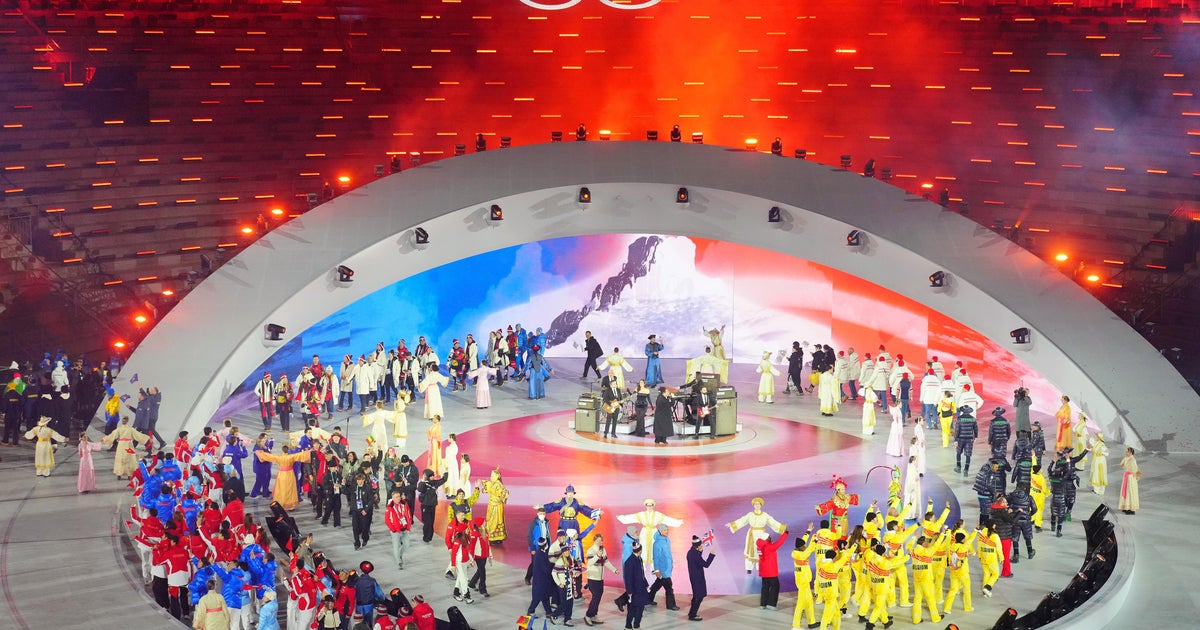
The Milan Cortina Winter Olympics concluded with a closing ceremony held at the historic Verona Arena, a Roman amphitheater. The ceremony featured Italian music and dance, blending classical and contemporary arts, and included performances by Roberto Bolle, Achille Lauro, and DJ Gabry Ponte. Over 1,500 athletes from 92 countries participated in the parade of nations, including members of Team USA, which achieved a record number of gold medals. The event included tributes to Italian opera and a somber remembrance of athletes who have died, depicted through butterfly imagery. The International Olympic Committee (IOC) addressed a controversy involving a Ukrainian athlete's tribute to fallen compatriots, enforcing rules against political statements on the field. The ceremony concluded with the extinguishing of the Olympic flame and a light show, and the Olympic flag was handed over to France, the next host. The Games were notable for their geographical spread and for introducing ski mountaineering. The Paralympics will soon follow at the same venue.
Biblical Reflection
Viewed through a biblical lens, the closing of the Olympics is a reminder of the value of unity, excellence, and remembrance. The Olympic Games bring together people from diverse nations in peaceful competition, echoing the biblical ideal of living in harmony and mutual respect (Romans 12:18). The ceremony’s tribute to the arts and remembrance of the deceased reflect the scriptural call to honor both beauty and the memory of those who have gone before us (Philippians 4:8; Romans 12:15). However, the controversy around the Ukrainian athlete’s act of remembrance raises important questions about the balance between honoring truth, justice, and peace while submitting to the governing authorities (Romans 13:1-2). The focus on records, national pride, and spectacle should not overshadow the deeper call to humility, gratitude, and the acknowledgment that all gifts and achievements ultimately come from God (1 Corinthians 4:7). In celebrating human achievement and artistry, Christians are called to ensure that such celebrations foster thankfulness, unity, and compassion rather than pride or division.
Scripture in context
This outlook does not yet include contextual Scripture citations. Do not treat a general biblical theme as an exegetical conclusion.
Faithful Response
No prescribed response is offered. Consider the reflection prompts below in your own church context.
Reflection and Discussion
- 1How can I celebrate the achievements of others while remaining humble and thankful to God?
- 2In what ways can I promote unity and peace in my community, even amid national or personal achievements?
- 3How do I honor the memory of those who have gone before me in a way that reflects Christ’s love and hope?
Sources
Reporting links are evidence inputs; Sanctuary News' biblical reflection is commentary.
This outlook currently relies on fewer than two linked sources. Broaden verification before teaching from it.
- 1.Original reportprimary