News Summary
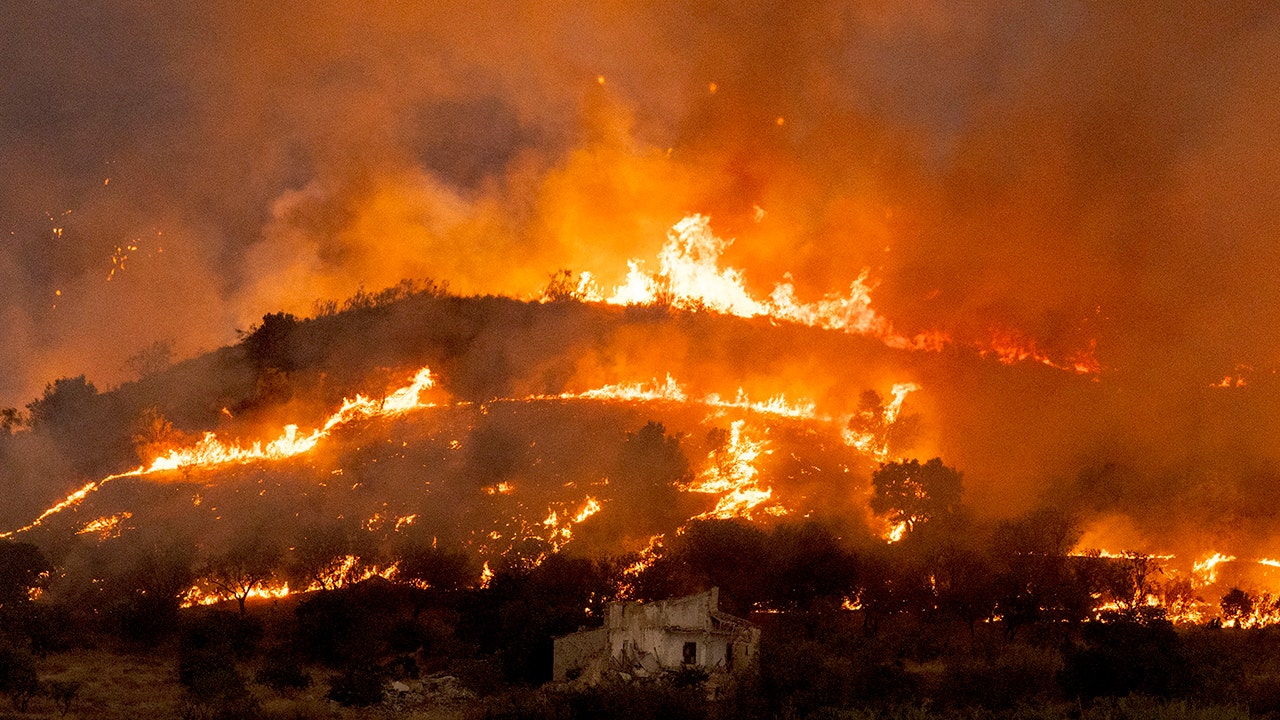
Facts reported: Large wildfires since early July 2026 have severely affected France and Spain, including the Fontainebleau Forest fire (reported ~2,000 hectares burned, ~1,000 people evacuated, ~850 firefighters deployed) and major Spanish blazes (Zaragoza ~12,000 hectares, evacuations; Andalusia/Almeria fires with double-digit deaths). French officials reported about 32,000 hectares burned nationally so far this year. The article also reports that France’s Ministry of Agriculture states nine out of 10 wildfires are caused by people, and that U.S. agencies report about 85% of U.S. fires are human-caused (as cited). Attributions and uncertainty: The article attributes many figures and cause statements to French or Spanish officials and to outside studies (UEA, Global Wildfire Information System, NIFC) as reported by Fox News; some figures (death tolls, exact causes, and arson determinations) are presented as official or reported claims and require confirmation from those primary agencies and independent sources. The article mixes reportage with expert commentary (an economist on land policy) and summarises studies without linking to original reports in the supplied material.
Source and Framing Analysis
Source role: The article is original reporting by Fox News that compiles official statements, national ministry data, press reporting (France 24, The Guardian referenced), and commentary. Framing choices: it stresses a ‘mix’ of causes and explicitly highlights human error, suspected arson, and land-management restrictions alongside record heat, which can shift readers toward seeing human choices as central. Missing voices and verification needs: the piece gives limited direct sourcing from climate scientists, independent wildfire researchers, local land management authorities, or primary reports from the named studies; key claims (for example, exact hectares burned, cause breakdowns, and death tolls) are reported from other outlets or officials and should be independently verified with primary documents or scientific analyses. Incentives: Fox News’ editorial choices (selection of expert voices and economic/land-management interpretations) may reflect an interest in policy and human-responsibility angles; readers should be aware that alternative framings (for example, emphasizing climate change-driven risk or forestry practices) may be underrepresented. What requires verification: specific death counts, the official determinations of arson or causes at each fire, the data points attributed to UEA/GWIS/NIFC, and the precise impact of land-management restrictions on fuel loads.
Biblical Reflection
The article highlights a real and pressing human tragedy: lives lost, communities evacuated, and large areas of land burned. Its central claim — that the current fires result from both extreme heat and substantial human contribution (negligence, arson, and land-management shortcomings) — is plausible and consistent with how wildfires often start and spread. At the same time, the piece emphasizes human error and policy choices in ways that may underweight long-term climate trends and scientific voices; it relies heavily on selected authorities (government officials, an economist) and descriptive statistics reported within the article rather than multiple independent scientific sources. From a Christian perspective, this event calls for clear-eyed honesty (truth) about causes, compassionate relief for victims (mercy), responsibility for both personal and communal stewardship (neighbor-love), humility about our limits and dependence on God, and courage to change practices that harm others. Christians should resist partisan simplifications: acknowledge systemic and environmental factors while not excusing individual negligence or arson, press for policies that protect vulnerable people and the land, and support practical disaster relief and prevention efforts.
Scripture in context
- 1Genesis 2:15 — In the Genesis creation narratives, humanity is placed in the garden with a task to ‘till and keep’ (to work and care for) the land before the fall; the passage establishes a vocational relationship between humans and creation rather than ownership to exploit. — Applied to wildfires, this passage emphasizes responsible stewardship — tending landscapes, preventing needless harm, and protecting neighbors who live in or near vulnerable environments rather than acting solely in self-interest or neglect.
Faithful Response
Pray for victims, firefighters, and decision-makers and give to reputable relief organizations assisting evacuees and displaced families.
Learn local evacuation and preparedness plans and support community wildfire-readiness measures (clearing defensible space, safe campfire practices).
Advocate nonpartisan, evidence-based policies that reduce risk (support for firefighting resources, sensible land management, and community protection measures) while holding individuals accountable for negligent or criminal behavior.
Reflection and Discussion
- 1Does the article give more weight to human error and policy than to longer-term climate factors, and how does that affect what solutions seem necessary?
- 2Which local and scientific sources would you seek out to get a fuller, evidence-based understanding of causes and prevention?
- 3How can Christians hold both individuals and systems accountable while extending mercy to victims and responders?
Sources
Reporting links are evidence inputs; Sanctuary News' biblical reflection is commentary.
This outlook currently relies on fewer than two linked sources. Broaden verification before teaching from it.
- 1.Europe's fires reveal deadly mix of record heat, human error, arson and land mismanagementprimary_reporting