News Summary
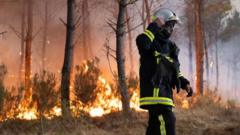
Reported facts: BBC reports wildfires in France and Spain have prompted the evacuation of more than 300,000 people and includes eyewitness descriptions of a "wall of flames" and widespread fear and stress. Attributed claims: the article quotes locals and visitors describing emotional reactions and scenes of fire. Uncertainties: the report does not provide confirmed casualty figures, property damage estimates, official confirmation for the evacuation total beyond the BBC article's statement, or details on the fires' causes or specific affected locations.
Source and Framing Analysis
The BBC piece is eyewitness-driven and framed around personal testimony and emotional impact. That framing highlights human experience but leaves material gaps: the absence of official data (casualties, property loss, verified evacuation numbers) and lack of discussion about causes or broader context (weather conditions, fire management, or prevention measures). These omissions shape how readers perceive the event—immediate human crisis rather than long-term causes or policy responses.
Biblical Reflection
This report centers human suffering: people uprooted, frightened, and traumatized by rapidly moving fires. A Christian reading first attends to those immediate human needs — physical safety, shelter, trauma care, and the concrete comfort of neighbors and congregations. The account's emphasis on eyewitness fear and evacuation underscores a pastoral priority: responding with mercy, presence, and practical help to people in crisis.
At the same time, the article offers limited factual detail about causes, scale, or long-term consequences. Christians should be cautious about drawing premature theological or political conclusions from a short eyewitness-focused piece. We should resist the impulse to moralize disasters without careful evidence and instead let compassion drive action: offering aid, advocating for vulnerable populations, and supporting recovery work. Finally, the fires raise stewardship questions about care for creation and prevention of future harm — concerns that call for informed policy engagement and faithful care rather than simplistic blame.
Scripture in context
- 1Psalm 46 — A communal lament and affirmation of God as refuge amid natural upheaval and human threat; historically used in the Psalms tradition to acknowledge danger and seek God's presence in turmoil. — The passage calls believers to acknowledge fear and seek refuge while also mobilizing communal care; in practice it supports offering immediate help, prayerful presence, and organized support for those displaced by disaster.
- 2Matthew 25:31-46 (the Sheep and the Goats) — A teaching about final accountability that emphasizes care for 'the least' — providing food, shelter, clothing, and care as a criterion of faithful discipleship. — This text urges Christians to see evacuees and those harmed by disaster as neighbors whose needs require concrete action — feeding, sheltering, and visiting — not merely words of sympathy.
Faithful Response
Pray for those affected and for emergency responders; join local or trusted relief organizations' prayer and support networks.
Give financially to vetted disaster-relief charities or local church relief funds assisting evacuees, and volunteer where trained help is requested.
Offer trauma-informed pastoral care: listen, validate fear, connect people to counseling and practical resources, and help coordinate housing and basic needs.
Advocate for policies and community measures that reduce future wildfire risk (forest management, evacuation planning, support for vulnerable populations) while listening to experts about causes and solutions.
Reflection and Discussion
- 1In what concrete ways should love of neighbor shape my immediate response to people displaced by this disaster?
- 2How can I hold together concern for creation, support for affected people, and humility about what we do and do not yet know about causes?
- 3Am I prepared to listen to expert evidence before forming public judgments about the causes and policy responses to such fires?
Sources
Reporting links are evidence inputs; Sanctuary News' biblical reflection is commentary.
This outlook currently relies on fewer than two linked sources. Broaden verification before teaching from it.
Download source notes