News Summary
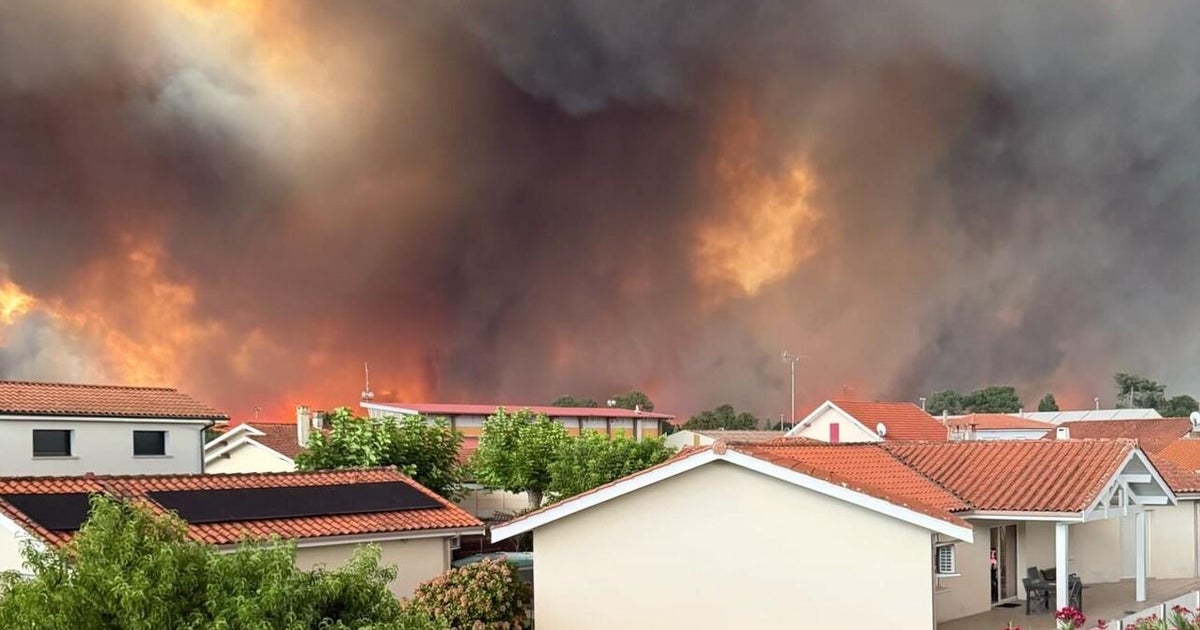
Reported facts: CBS News states that large wildfires are burning in France and Spain, that "hundreds of thousands" remained evacuated, and that firefighters were racing to contain fires before a forecast surge in temperatures. Attributed or uncertain claims: the article does not provide detailed casualty figures, specific locations, causes of the fires, or official agency statements; the evacuation figure and the description of the fires come from the reporter's account and are not independently corroborated within the piece.
Source and Framing Analysis
The CBS piece is brief and urgent in tone, focusing on the immediate human impact and the weather risk. Material uncertainties include the scale breakdown by region or municipality, casualty or damage figures, the precise timing and severity of the forecast heat wave, and whether climate factors or human causes contributed to the fires. The single-source short report frames the story as an unfolding emergency rather than an investigatory account, which is appropriate for urgent news but limits depth and causal explanation.
Biblical Reflection
The report communicates a clear, immediate human emergency: large fires forcing mass evacuations and emergency crews working under time pressure. As Christians we should recognize the immediate needs of vulnerable people — those displaced, the elderly, children, and those who have lost homes or livelihoods — and respond with compassion, practical help, and prayer.
The story also raises questions about our stewardship of creation and preparedness for climate-related extreme weather without leaping to technical conclusions the article does not supply. It is faithful to hold both mercy and truth: care for victims now, support responders, and seek sober understanding of longer-term risks and policies that protect communities.
Finally, the article’s framing emphasizes urgency rather than explanation. That invites humility: avoid moralizing or assigning causes without evidence, listen to authorities and local leaders, and advocate for rescue, recovery, and resilient planning grounded in love of neighbor.
Scripture in context
- 1Luke 10:25-37 (Good Samaritan) — In a narrative where a lawyer asks Jesus who qualifies as 'neighbor,' Jesus tells the parable of the Good Samaritan, showing that neighbor-love is practical care across social boundaries. — The passage calls Christians to practical, active compassion for those harmed by disaster — offering aid, protection, and accompaniment to people who are suffering, regardless of their background.
- 2Genesis 2:15 — In the creation narrative, humanity is placed in the garden to work it and keep it, framing a responsibility to tend the environment. — This background encourages reflection on stewardship and planning: Christians can support policies and community practices that reduce harm from environmental hazards while still addressing immediate human needs with mercy.
Faithful Response
Pray for victims, responders, and leaders; intercede for safety and wise decisions.
Support credible relief organizations providing shelter, food, medical care, and recovery assistance for evacuees.
Offer practical help through local church networks: host evacuees if possible, donate goods or funds, or volunteer with vetted response efforts.
Educate oneself about disaster preparedness and advocate for measures that protect the most vulnerable (e.g., evacuation planning, shelter access) without politicizing unverified causes.
Reflection and Discussion
- 1How does Scripture shape our response to natural disasters — balancing immediate mercy with longer-term stewardship?
- 2When news emphasizes urgency, how should Christians weigh the need for quick action against the risk of spreading unverified claims?
- 3What relationships and structures does our church need so it can effectively shelter and support people hit by disasters?
Sources
Reporting links are evidence inputs; Sanctuary News' biblical reflection is commentary.
This outlook currently relies on fewer than two linked sources. Broaden verification before teaching from it.
- 1.Massive wildfires in France, Spain being fought ahead of forecast heat waveprimary_reporting