News Summary
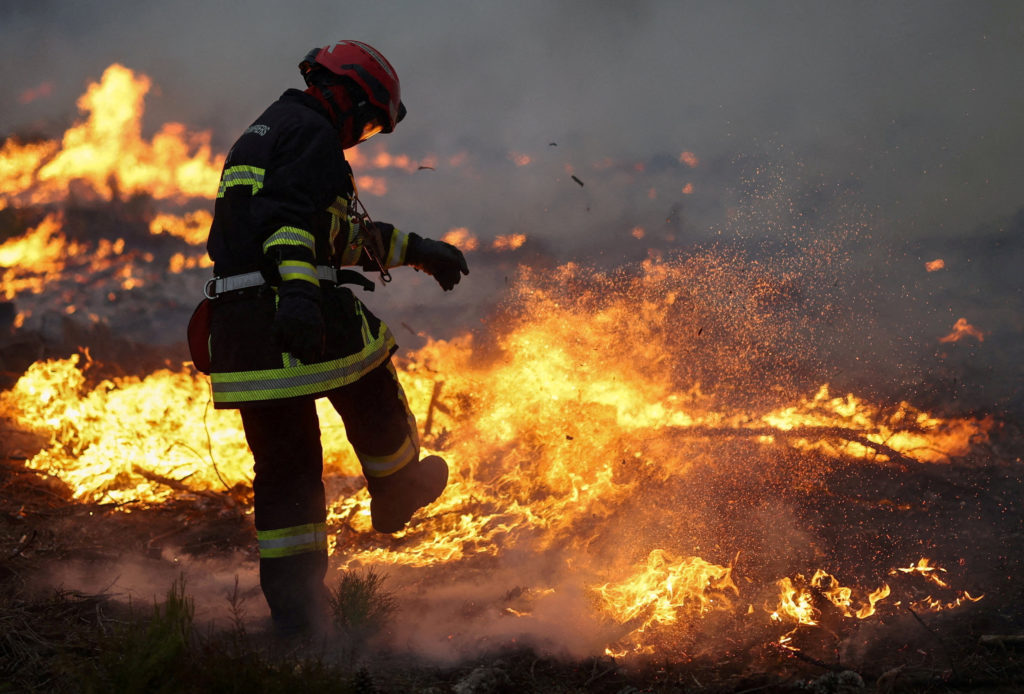
Reported facts: PBS NewsHour states a wildfire in southwest France led to the evacuation of roughly 55,000 people overnight Sunday, raising the total displaced in one region to about 220,000, with flames moving toward Bordeaux; Spain also carried out evacuations on its east coast. Attributed claims: the article reports firefighters 'racing' to control massive blazes and describes the fires as approaching major cities. Uncertainties: the report does not provide confirmed casualty counts, named official sources, detailed causes of the fires, or long-term damage assessments.
Source and Framing Analysis
The piece is single-source reporting from PBS NewsHour; it emphasizes evacuation numbers and proximity to major cities rather than cause, casualty figures, or specific local impacts. The framing centers on scale and urgency, which is appropriate to the event but leaves material gaps—especially official confirmations, who is most affected, the role of climate or human activity, and what coordinated relief is underway.
Biblical Reflection
These fires remind Christians that disasters expose both human fragility and opportunities for compassion. Scripture repeatedly directs care for the vulnerable and active mercy toward neighbors; so Christians should resist sensational fear and instead pursue verified facts and practical help. The article's focus on numbers rightly conveys urgency, but without names, locations of shelters, or routes for aid, readers should look for follow-up reporting or official appeals before donating or mobilizing.
Theologically, danger calls us to trust in God’s presence and to embody Christlike service — tending wounded neighbors, supporting authorities and responders, and urging policies and preparations that protect the least-resourced. Avoid quick attributions of cause without evidence; instead press for truth that leads to effective action and public accountability where relevant.
Finally, this moment calls churches to both immediate hospitality (shelter, food, counseling) and patient advocacy (long-term recovery, rebuilding, and attention to environmental stewardship), remembering that faithful presence is often more persuasive than partisan argument.
Scripture in context
- 1Luke 10:25-37 (Parable of the Good Samaritan) — Jesus tells a legal expert a story about a man beaten and left for dead; a priest and Levite pass by, but a Samaritan stops to care for him, illustrating who is a 'neighbor' and what mercy looks like in practice within a Jewish-Gentile context. — The passage calls Christians to practical, costly mercy for anyone in need regardless of identity; in a disaster context that means prioritizing immediate rescue, care for displaced people, and unglamorous, hands-on aid.
Faithful Response
Pray regularly for those evacuated, for firefighters and emergency workers, and for accurate information and effective coordination.
Give to vetted local or international relief organizations active on the ground rather than responding to unverified appeals.
Offer practical help through your church—open facilities as shelters, organize material drives (water, blankets, hygiene kits), and coordinate volunteer support with official agencies.
Resist spreading unconfirmed causes or casualty figures; instead share authoritative updates from emergency services and trusted news outlets.
Reflection and Discussion
- 1Who are the most vulnerable among the displaced, and how will we ensure our responses reach them first?
- 2How does Christian teaching about mercy and stewardship shape our views on prevention, preparedness, and long-term recovery after natural disasters?
- 3In what ways should churches partner with civic authorities and relief organizations to serve effectively while maintaining Christian distinctives of compassion and humility?
Sources
Reporting links are evidence inputs; Sanctuary News' biblical reflection is commentary.
This outlook currently relies on fewer than two linked sources. Broaden verification before teaching from it.
- 1.Firefighters race to control massive blazes approaching major cities in France and Spainprimary_reporting