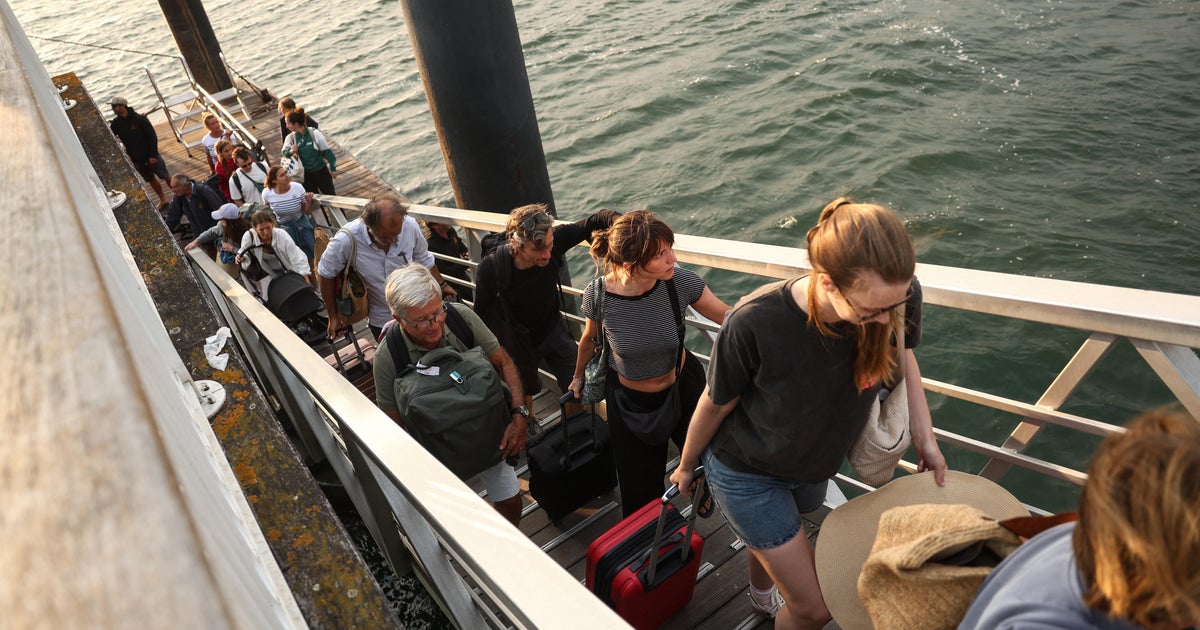
News Summary
Reported facts: CBS News states that wildfires in France, Spain and Italy have prompted large-scale evacuations and that several firefighters have been killed; its headline reports about 40,000 tourists and residents fled a French peninsula. Attributions and uncertainty: casualty counts are described as "several" without exact numbers in the supplied text; the article does not specify precise locations on the peninsula, the cause of the fires, the number of properties lost, or the status of containment. Uncertainty remains around specifics and official tallies.
Source and Framing Analysis
Material uncertainties that affect understanding: the supplied report is brief and uses imprecise language ("several," "tens of thousands"). The headline emphasizes a numeric figure (40,000) and the word "vacation hotspot," which frames the event around tourism impact; the body language focuses on fatalities among firefighters and cross-border fires without granular data. Because only one news report is provided, corroboration of casualty counts, precise locations, causes, and governmental responses is missing and materially important to evaluating scale and responsibility.
Biblical Reflection
Reports of deadly wildfires should move Christians first to lament and solidarity. Scripture models both lament for loss and practical care for the vulnerable; our immediate response should be prayer for the dead and their families, tangible support for evacuees, and gratitude and prayer for firefighters and emergency teams. Public attention on tourists and vacation areas can unintentionally devalue the suffering of permanent residents; a Christlike posture treats all those affected as our neighbor to be loved and served.
At the same time, Christians should resist the impulse to make quick policy or moral judgments without clear evidence. There are legitimate questions about prevention, land management, emergency planning, and the longer-term environmental trends that affect wildfire risk, but approaching those with humility and a commitment to truthful, tested facts is essential. We should advocate for wise stewardship of creation and community safety while prioritizing mercy and justice for those already harmed.
Finally, the gospel invites a twofold posture: compassionate immediacy — meeting physical needs (shelter, food, pastoral care) — and steady, thoughtful engagement with causes and prevention. Both are expressions of neighbor-love: short-term relief and longer-term commitments to protect the vulnerable and our shared environment.
Scripture in context
- 1Luke 10:25-37 (Parable of the Good Samaritan) — Jesus tells a story in response to a question about 'neighbor' and the requirements of eternal life; the parable contrasts religious passing-by with compassionate, costly aid from an unexpected helper. — The passage reorients Christians from assessing deserve/undeserve to acting compassionately toward whoever is in need — practical care for evacuees and responders is a concrete expression of neighbor-love.
- 2Psalm 34 (including 'the LORD is close to the brokenhearted') — A poetic liturgy of trust and thanksgiving that also acknowledges fear and affliction; it invites both lament and praise in the face of danger. — Psalmic lament gives language for grieving lives lost and for praying for safety; it encourages Christians to bring honest sorrow to God while seeking refuge for the afflicted.
Faithful Response
Pray regularly for those killed, injured, displaced, and for emergency personnel — both in private and in corporate gatherings.
Offer practical assistance: donate to vetted local relief organizations, coordinate collections through your church for shelter supplies, or volunteer with disaster response agencies when invited.
Exercise informed stewardship: encourage and support community measures that reduce fire risk (e.g., defensible-space practices, support for responsible land management) while avoiding premature attribution of cause without evidence.
Use Christian social networks to amplify reliable requests for help from official relief groups rather than sharing unverified claims.
Reflection and Discussion
- 1Amid the natural desire to find causes, how can we practice humility and patience before drawing conclusions about why these fires occurred?
- 2Who are the vulnerable neighbors (tourists, seasonal workers, long-term residents) whose needs might be overlooked, and how does Christlike love shift our priorities?
- 3How does our theology of stewardship shape what we advocate for in prevention, land use, and community preparedness?
Sources
Reporting links are evidence inputs; Sanctuary News' biblical reflection is commentary.
This outlook currently relies on fewer than two linked sources. Broaden verification before teaching from it.
- 1.Wildfire forces 40,000 tourists and residents to flee French peninsulaprimary_reporting