News Summary
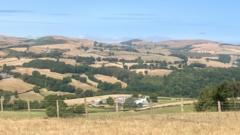
Reported facts: BBC states parts of Wales are in drought after back-to-back heatwaves and that Wales received about 5% of average July rainfall; wildfires are reported alongside record dry conditions. Attributed claims: the article frames wildfires and dry conditions as having "triggered" drought in parts of Wales. Uncertainties: the piece does not specify which areas, the duration of the drought, the data source for the 5% figure beyond the report itself, the number or scale of wildfires, nor detailed impacts on water supplies, agriculture, or communities.
Source and Framing Analysis
The story is based on a single BBC report (the sole supplied source). The headline links wildfires, heatwaves, and drought causally; while that causal connection is plausible, the article provides limited data and little regional detail. Missing contextual information that materially affects understanding includes precise rainfall measurement sources, geographic extent of the drought, wildfire counts and locations, and official declarations or emergency measures. The reporting is concise; readers should seek follow-up detail from local authorities or official meteorological and emergency sources for operational decisions.
Biblical Reflection
The article reports an environmental and public-safety situation: very low July rainfall, heatwaves, and wildfires have combined to produce drought conditions in parts of Wales. From a Christian perspective, this is a reminder of our dependence on God’s created order and on one another. Scripture repeatedly calls believers to steward creation responsibly and to care for neighbors in need; drought and fire stress both.
The news as reported focuses on weather and immediate hazards rather than long-term causes or policy responses. Christian discernment should press gently for clarity and humility: seek facts (how widespread is the drought, who is most affected, what emergency measures are in place?) and avoid quick attribution of blame without evidence. Mercy requires prioritizing assistance for vulnerable households, farmers, and emergency responders, while truth requires supporting sound information and measured public conversation about prevention and resilience.
Finally, this situation offers an opportunity to practice peacemaking and neighbor-love: offer practical help, conserve resources, pray for those at risk, and participate in local resilience efforts so that communities are better prepared for recurring heat and dryness.
Scripture in context
- 1Deuteronomy 11:13–17 — In a covenantal speech, Moses links obedience to God with agricultural blessing (rain and harvest) and warns that disobedience can bring drought and crop failure—this is part of Israel’s covenant theology rather than a universal formula tying every weather event to moral behavior. — This passage invites humility: rather than simplistic cause-and-effect judgments, Christians should respond to environmental hardship with repentance, prayer, and practical care, while recognizing broader ecological and social factors.
- 2Matthew 25:31–46 (parable of the sheep and the goats) — Jesus teaches that caring for those in need—feeding the hungry, giving drink to the thirsty, welcoming strangers—reflects authentic discipleship. The passage emphasizes concrete acts of mercy as the test of faithful living. — When drought and wildfire create needs, this passage grounds Christian action in tangible neighbor-care: support relief, share resources, and serve those directly harmed.
Faithful Response
Pray for those affected, emergency responders, and those making policy decisions.
Conserve water and model sustainable practices at home and in church facilities.
Offer practical help to neighbors (check on the elderly or immobile, donate to local relief efforts, volunteer where safe).
Encourage local leaders to communicate transparently and to prioritize water access and fire prevention for vulnerable communities.
Reflection and Discussion
- 1Which groups in affected communities are most vulnerable to drought and wildfire, and how should love of neighbor shape our response?
- 2Does the reporting give enough information to separate immediate emergency needs from longer-term causes; what further facts would we responsibly seek?
- 3How can stewardship of creation and practical mercy be balanced when responding to climate-related extremes in our local context?
Sources
Reporting links are evidence inputs; Sanctuary News' biblical reflection is commentary.
This outlook currently relies on fewer than two linked sources. Broaden verification before teaching from it.
- 1.Wildfires and record dry conditions trigger drought in parts of Walesprimary_reporting