News Summary
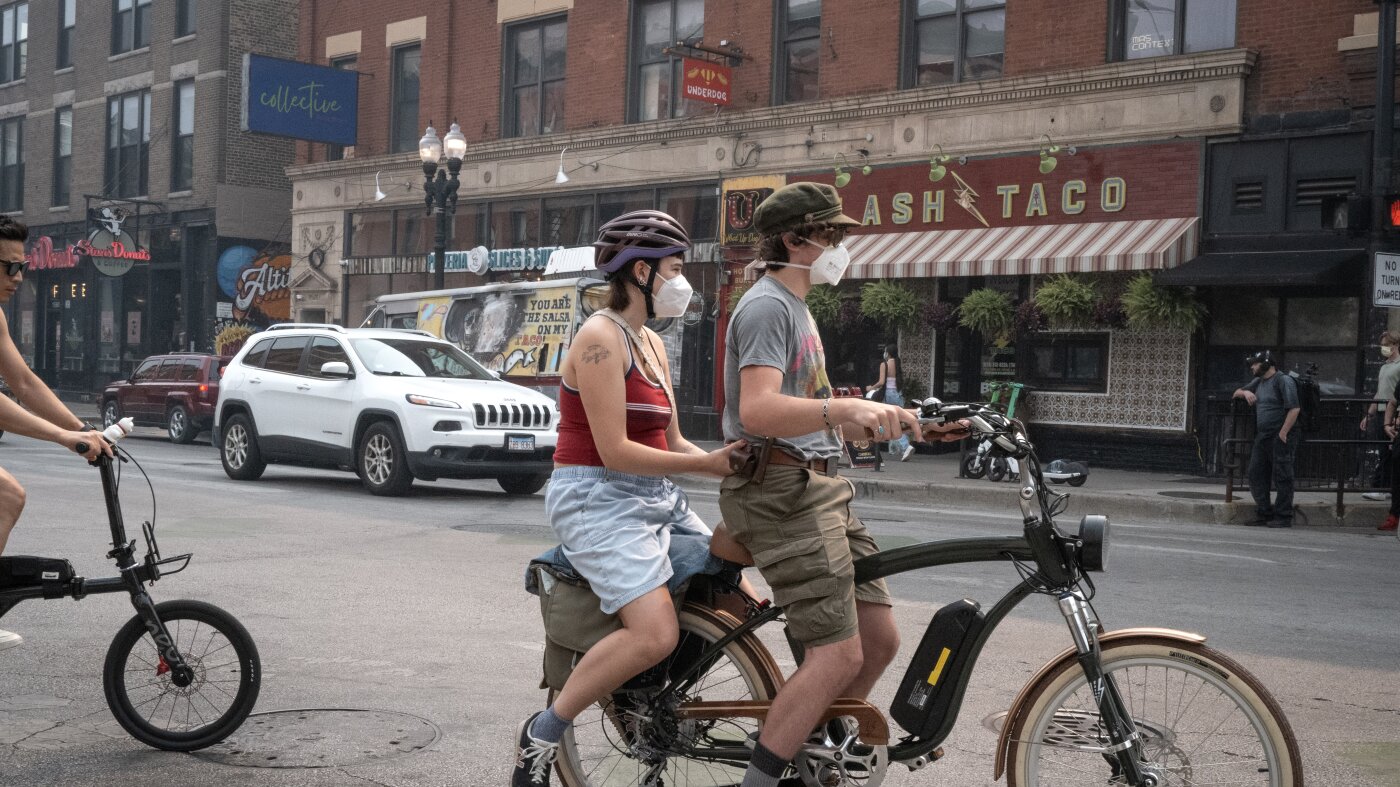
Smoke from wildfires in Canada and Minnesota has carried across large parts of the United States, prompting air quality alerts in the Northeast, Mid-Atlantic, Upper Midwest, and other regions. Some areas recorded hazardous AQI levels (for example, Detroit reached an AQI of 435), and cities experienced visibly orange skies. Experts say wildfire smoke contains fine particulates and a mix of pollutants — often including toxic particles from burning homes and synthetic materials — that can travel thousands of miles. At AQI levels commonly seen during these events (100–200), exposure to fine particulate matter is comparable to smoking a quarter to half a pack of cigarettes per day. Short-term consequences include spikes in emergency-room visits for respiratory issues (asthma, COPD) and cardiovascular events; during the 2023 Canadian wildfires, asthma ER visits rose nearly 20%. Long-term and population-level risks cited by researchers include higher risks of dementia, increased chances of preterm birth and low birth weight, and elevated cancer and heart-disease risk for heavily exposed workers such as firefighters. Vulnerable groups named are children, older adults, pregnant people, those with preexisting conditions, and first responders. Public-health advice includes leaving smoky areas if possible, staying indoors with windows closed, running HEPA air filters, limiting physical activity, and using properly fitted N95 masks when outdoors. Experts emphasize there is no wholly safe level of exposure but that reducing dose and duration of exposure lowers harm. The article links increased wildfire frequency and intensity to human-caused climate change.
Biblical Reflection
The article reports scientific findings and public-health guidance consistent with current research: wildfire smoke carries widely dispersed, harmful air pollution and poses acute and chronic health risks, especially for vulnerable people and frontline workers. Its attribution of greater wildfire risk to human-caused climate change reflects mainstream scientific assessment. Readers should note the piece focuses on health impacts and mitigation steps rather than policy debates, which can obscure questions about long-term prevention and social equity. From a Christian perspective, the facts call for truthful acknowledgment of harm, compassion for those most affected, and responsible stewardship of creation. Truth requires accepting the evidence about risk and acting on it; mercy looks like practical protection for the elderly, children, pregnant people, and low-income communities who may lack clean-air refuges; humility and courage ask churches and leaders to support public-health measures and to advocate for policies that reduce future harm while caring for those hurt now. Christians should avoid fear-driven paralysis and politicized dismissals; instead, offer tangible help (shelter, air filters, masks, transportation) and faithful witness about caring for neighbor and creation.
Scripture in context
This outlook does not yet include contextual Scripture citations. Do not treat a general biblical theme as an exegetical conclusion.
Faithful Response
No prescribed response is offered. Consider the reflection prompts below in your own church context.
Reflection and Discussion
- 1How does the article’s scientific framing about climate-driven increases in wildfire risk shape our understanding of communal responsibility for the environment?
- 2Whose needs are most likely to be overlooked during smoke events (low-income households, outdoor workers, congregational members without transport) and how should institutions respond?
- 3Are we giving precedence to immediate mitigation and neighbor-care while also asking what long-term policies and stewardship actions reduce future harm?
Sources
Reporting links are evidence inputs; Sanctuary News' biblical reflection is commentary.
This outlook currently relies on fewer than two linked sources. Broaden verification before teaching from it.
- 1.Original reportprimary