News Summary
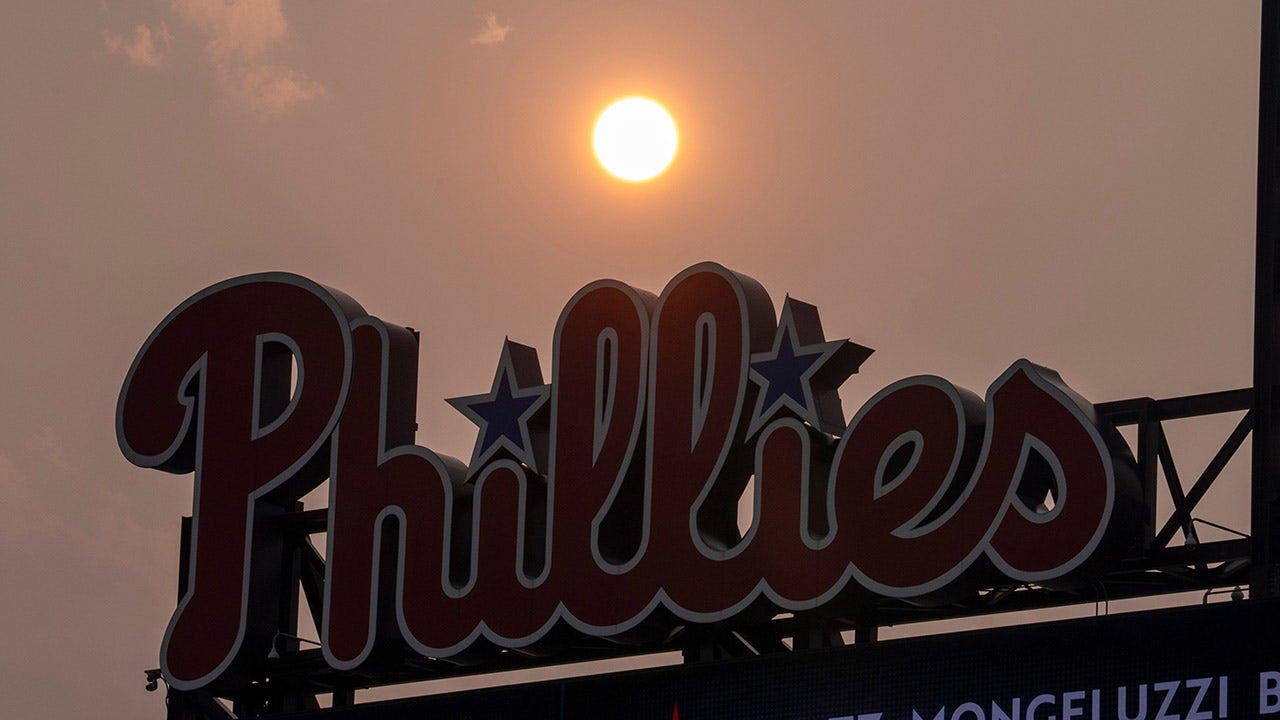
On July 16, 2026, Major League Baseball resumed play after the All-Star break with the Philadelphia Phillies hosting the New York Mets in Philadelphia while regional air quality was rated 'unhealthy' (Philadelphia AQI about 196) and parts of the Northeast and Midwest approached hazardous levels (near 500) due to smoke from Canadian wildfires. The game start was moved up one hour, announced around 4 p.m. ET. Players reported symptoms and visibility issues — aching or burning eyes and difficulty seeing pop-ups — with comments from Mets players Brett Baty, Francisco Alvarez, Christian Scott, and Phillies players Bryce Harper, Aaron Nola, and Brandon Marsh describing the smoky conditions. Managers Don Mattingly and Andy Green said they did not think play was substantially affected, while umpires repeatedly checked on players' well-being. The Phillies skipped outdoor batting practice and one MLS match in Chicago was postponed the same day; organizers expected air quality to improve over the following days and noted potential concerns for upcoming events like the World Cup final at MetLife Stadium.
Biblical Reflection
This story highlights a conflict between entertainment schedules and basic human health. The league and officials showed some duty of care (moving the game time, umpires checking players), but the decision to play at all in unhealthy air suggests pressure to preserve schedules and broadcasts. The article largely treats the event as a sports story, giving player reactions but not fully conveying broader public-health implications or the scale of the wildfire smoke event. From a Christian perspective, protecting people’s health — players, stadium staff, and attendees — should outweigh preserving a game timetable. Caring for neighbors means advocating for transparent, precautionary decisions when risks are known, and stewarding creation calls us to recognize and respond to environmental harms that endanger communities. Be wary of framing that normalizes risk for the sake of entertainment or business; truth requires naming harms clearly, mercy requires prioritizing vulnerable people, and humility asks decision-makers to err on the side of protection.
Scripture in context
This outlook does not yet include contextual Scripture citations. Do not treat a general biblical theme as an exegetical conclusion.
Faithful Response
No prescribed response is offered. Consider the reflection prompts below in your own church context.
Reflection and Discussion
- 1Are sports and event organizers giving clear, prioritized weight to health data, or are economic and scheduling pressures shaping decisions more than precaution?
- 2How does telling this as primarily a sports story affect public perception of the broader health and environmental crisis caused by wildfire smoke?
- 3What responsibilities do public institutions have to protect workers, athletes, and spectators when environmental hazards are known and measurable?
Sources
Reporting links are evidence inputs; Sanctuary News' biblical reflection is commentary.
This outlook currently relies on fewer than two linked sources. Broaden verification before teaching from it.
- 1.Original reportprimary