News Summary
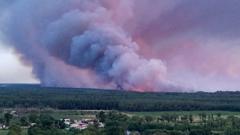
Reported facts: The article states that some severe wildfires can produce pyrocumulonimbus (fire-generated thunderstorms) and notes NASA's description of the phenomenon as a "fire-breathing dragon of clouds." Attributed claims: The headline and text link these fire-generated storms to increased deadly risk in wildfire events. Uncertainty: The short report does not provide technical explanation, data, frequency, geographic scope, or specific examples showing how often this occurs or how much it increases casualties or damage.
Source and Framing Analysis
The piece is brief and uses a vivid NASA metaphor that emphasizes danger. That framing can raise public attention but also risks sensationalizing a technical atmospheric process. Material uncertainties that affect public understanding—how pyrocumulonimbus form, what conditions make them likely, and measured impacts on fire behavior and casualties—are not addressed in the supplied text.
Biblical Reflection
This short report highlights a scientific phenomenon that links extreme fires to new, self-amplifying weather risks. The framing uses vivid language (notably NASA's metaphor) to convey danger; the underlying truth — that large fires can change local atmospheric behavior — points to both natural processes and human vulnerability. From a Christian perspective, the story calls us to sober humility before creation's power, compassion for those in harm's way, and responsible stewardship to reduce preventable risks. Christians can respond with prayer for victims and responders, practical support for evacuation and relief, and advocacy for policies and practices that protect vulnerable communities and the environment.
Scripture in context
- 1Psalm 46 — A psalm expressing trust in God as refuge and strength amid chaos and natural upheaval, traditionally used to encourage trust when communities face danger. — The psalm invites believers to seek God's presence in the midst of frightening natural events, to find courage for practical action, and to minister compassionately to those harmed by disasters.
Faithful Response
Pray specifically for affected communities, emergency responders, and science/relief organizations.
Support local disaster relief efforts (donations, volunteering, congregation-based assistance) and shelter for evacuees.
Promote and participate in community preparedness planning and education about wildfire safety and evacuation.
Advocate for policies and land-management practices that reduce avoidable wildfire risk and protect vulnerable populations.
Reflection and Discussion
- 1How does our theological understanding of stewardship inform practical steps to reduce wildfire risk in our communities?
- 2When disasters are amplified by natural processes, how should the church balance prayerful trust with urgent action to protect neighbors?
- 3Are we attending to the needs of the most vulnerable who are disproportionately affected by environmental disasters?
Sources
Reporting links are evidence inputs; Sanctuary News' biblical reflection is commentary.
This outlook currently relies on fewer than two linked sources. Broaden verification before teaching from it.
- 1.How 'fire-generated thunderstorms' make wildfires more deadlyprimary_reporting