News Summary
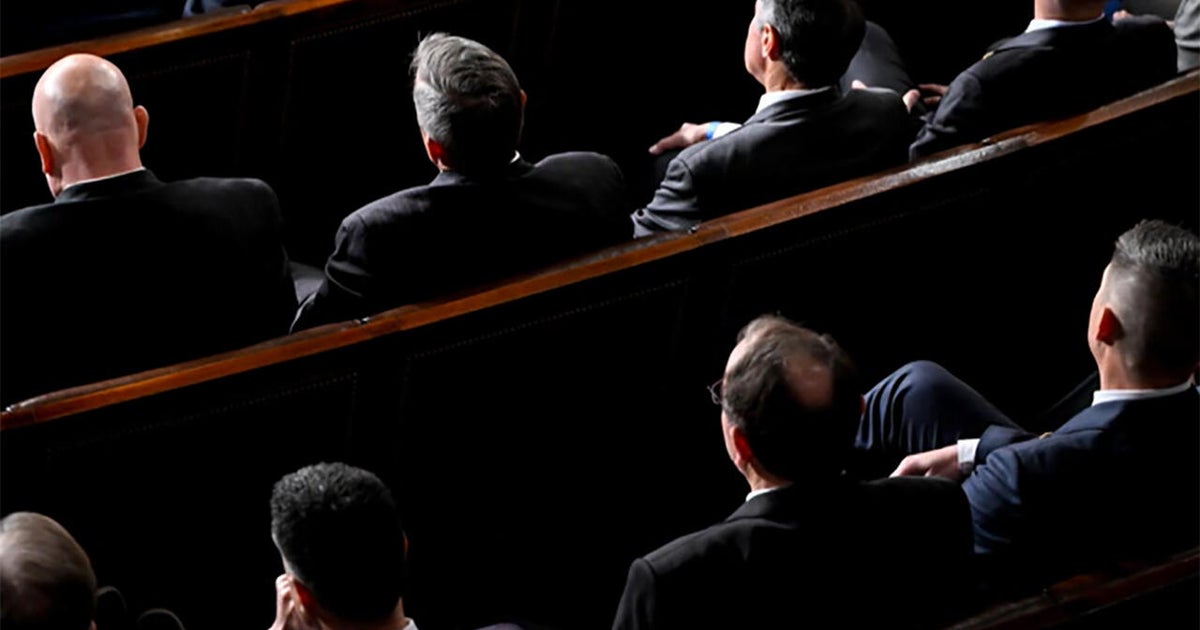
Reported facts: CBS News published an article stating broad public dissatisfaction with Congress and quoting several experts and lawmakers about its dysfunction; it reports that Republicans currently control both chambers, that the 119th Congress has passed fewer bills than many predecessors, and that recent notable actions include a GOP tax measure described as cutting $4.5 trillion over a decade, a bipartisan housing bill, and a partial government shutdown over homeland security funds. Attributed claims: Carl Hulse, Sarah Binder, and Philip Wallach attribute Congress's troubles to polarization, ceding power to the executive branch, atrophied legislative skills, gerrymandering, and members’ changed sense of purpose. The article attributes to the president extensive use of executive actions (reported as over 260 orders) and instances of bypassing Congress on trade and foreign policy. Uncertainties: the article does not consistently cite original sources for the poll figure, legislative comparisons, the tax-cut projection, or the executive-order count — each requires independent verification.
Source and Framing Analysis
Source role: CBS News functions as primary reporter and synthesizer, drawing on interviews with journalists, think‑tank scholars, and elected officials. Framing: the story frames Congress as institutionally weakened and emphasizes expert commentary about ceded authority to the executive. Missing voices: rank-and-file members of Congress beyond a few quoted, Congressional staff, nonpartisan institutional data (e.g., bill passage statistics, authoritative polling methodology), constitutional scholars or judges, and citizens directly affected by policy choices. Incentives: the piece foregrounds analysis and expert perspectives that fit a narrative of institutional decline, which is newsworthy and attention-grabbing; that may shape selection of quotes and emphasize crisis elements. Disputed claims and verification needs: the poll statistic, number of executive orders, detailed effects of the tax measure, and the claim that Congress “passed fewer bills” need independent corroboration; these are reported or attributed but not footnoted in the article.
Biblical Reflection
The article highlights real institutional problems that merit sober attention: erosion of legislative function, partisan gridlock, and an executive branch exercising broad unilateral power. From a Christian perspective, this calls for discerning engagement rather than cynicism. Truth: the reporting brings legitimate questions about separation of powers, stewardship of public resources, and the common good; however, some assertions (poll figures, specific counts of executive actions, long-term impacts of legislation) are presented without full sourcing and need verification. Mercy and humility ask Christians to avoid derision toward elected officials as a whole and to remember the dignity of public office; courage and truth call the church to name institutional failure where it exists and to advocate for effective, accountable governance. Love of neighbor requires practical concern for policies that affect people’s housing, fiscal stability, and safety, while resisting idolizing any political actor. The faithful response is not tribal withdrawal but prayerful, informed civic involvement that models patience, accountability, and the pursuit of justice within democratic processes.
Scripture in context
- 1Romans 13:1-7 — Paul addresses early Christians living under imperial rule, urging respect for governing authorities because God institutes them to maintain order and punish wrongdoing; the passage balances order with moral accountability in a context where Christians faced pressures from political powers. — This passage asks Christians to affirm the role of governments while also recognizing that authority exists to protect the common good; when institutions fail, believers should pray, seek reform through lawful means, and care for those harmed, rather than retreat into cynicism or unconditional loyalty to any leader.
Faithful Response
Pray regularly and specifically for members of Congress, staff, and other civic leaders, asking for wisdom and integrity.
Seek reliable information: read nonpartisan data on legislation, hold leaders accountable with informed, civil communications (letters, calls, town halls).
Equip oneself and one’s congregation in civic literacy — how laws are made, budgeting, separation of powers — so engagement is constructive rather than purely reactive.
Reflection and Discussion
- 1Which data or expert voices would you want to see added to this story to make its claims more verifiable?
- 2How might partisanship or institutional incentives shape the perspectives quoted in the article?
- 3Does the article encourage constructive civic action or resignation — and how should Christians move from diagnosis to faithful engagement?
Sources
Reporting links are evidence inputs; Sanctuary News' biblical reflection is commentary.
This outlook currently relies on fewer than two linked sources. Broaden verification before teaching from it.
- 1.What's wrong with Congress?primary_reporting