News Summary
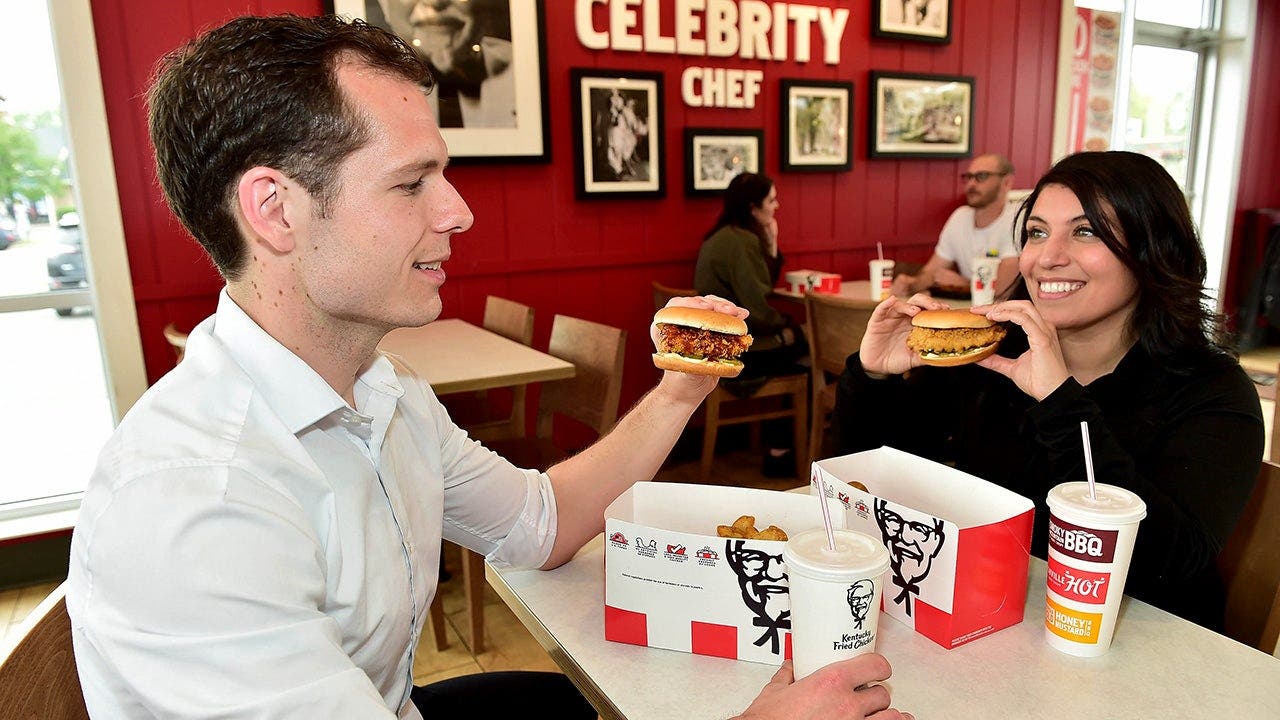
The article explains factors people cite for KFC's distinctive fried chicken: the chain uses commercial pressure fryers that cook quickly to produce a crisp crust and retain juiciness; a secret blend of 11 herbs and spices that founder Harland Sanders reportedly refined over nine years; and hand-breading techniques including a reported “7-10-7” rolling, tossing and pressing method and a specific racking layout before pressure-cooking. KFC maintains the recipe is tightly protected (company statements mention a digital safe and security measures) and says its pieces are hand-breaded and prepared "the hard way." The piece references lore and media coverage about the recipe (a nephew’s claimed copy disputed by the company), notes social-media attempts to recreate the chicken, and mentions the brand’s global size (over 31,000 locations in about 150 countries). Fox News Digital sought comment from KFC.
Biblical Reflection
The article is a light, consumer-focused piece that mixes observable cooking technique (pressure frying, breading steps) with brand storytelling and marketing lore (secret vaults, guarded recipes). From a Christian discernment standpoint, recognize two things: first, craftsmanship and care in work—seeking consistent quality through developed technique—reflects dignity in labor and an appreciation for skill. Second, much of the article leans on promotional claims and folklore that serve branding; these are not weighty factual matters but they do show how marketing shapes what we accept as ‘authentic.’ There is little here that affects public welfare or moral law, but the piece does participate in consumer culture that elevates sensory pleasure. Christians can appreciate good work and honest pride in a craft while remaining wary of consumer idolatry and of taking corporate mythology at face value. Also consider the unseen elements behind mass food production—workers, sourcing, and health —as part of faithful stewardship and neighbor-love when we choose what to eat.
Scripture in context
This outlook does not yet include contextual Scripture citations. Do not treat a general biblical theme as an exegetical conclusion.
Faithful Response
No prescribed response is offered. Consider the reflection prompts below in your own church context.
Reflection and Discussion
- 1How does brand storytelling (secrets, vaults, lore) influence what we accept as authentic or valuable?
- 2When a pleasure like food becomes a repeated object of desire, what does that reveal about what we elevate in our lives?
- 3What unseen labor and stewardship questions should we remember when praising a product’s quality?
Sources
Reporting links are evidence inputs; Sanctuary News' biblical reflection is commentary.
This outlook currently relies on fewer than two linked sources. Broaden verification before teaching from it.
- 1.Original reportprimary