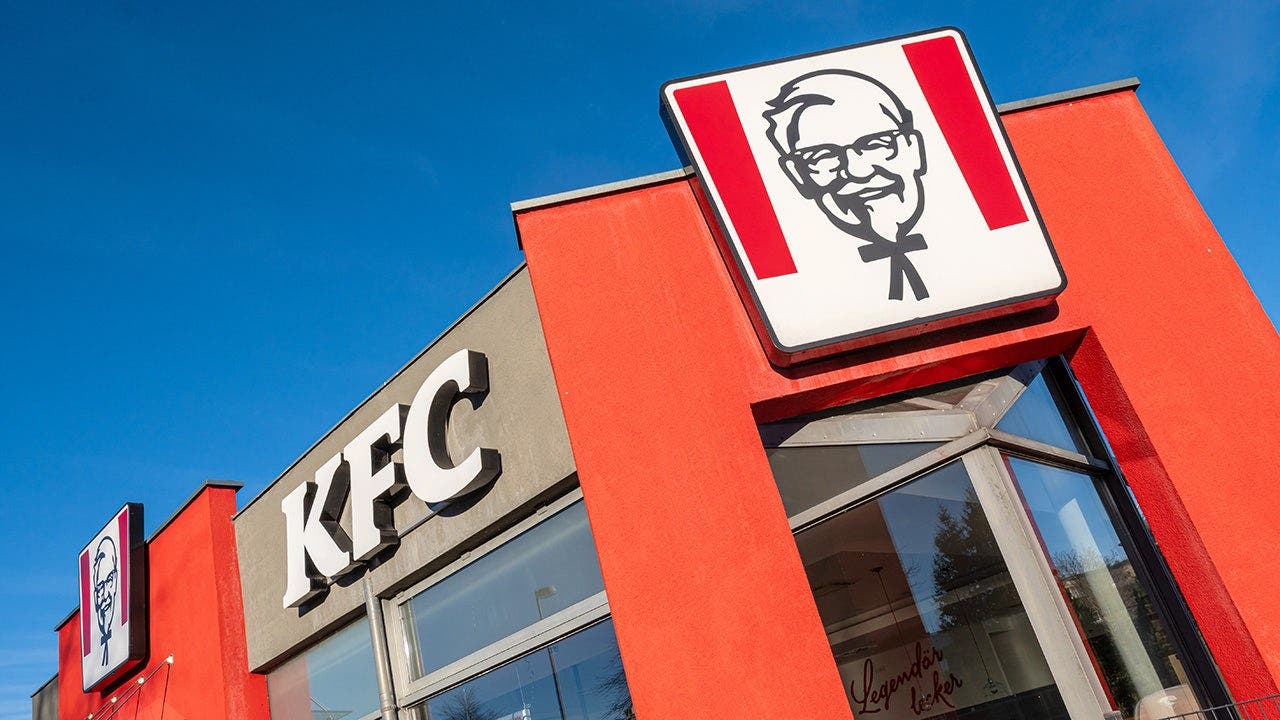
News Summary
Reported facts: Kentucky Fried Chicken officially shortened its name to KFC in 1991; a 1991 UPI interview quote from KFC USA president Kyle T. Craig is cited saying ‘fried is not a contemporary image’; KFC introduced skinless fried chicken products around that period; Chinese courts later (reported 2016) found companies liable for spreading false claims about KFC’s products. Attributed claims: Fox News reports and commentators offer several theories for the rebrand — distancing from the word 'fried,' attracting younger audiences, saving advertising space, and broader 1990s branding trends. Uncertainty: internal corporate deliberations and decision‑making documents explaining the name change are not presented, and the article does not supply primary legal documents or a direct, comprehensive statement from KFC about motives beyond corporate history summaries.
Source and Framing Analysis
Source role: The piece is a lifestyle/feature summary from Fox News Digital that compiles public company history, a 1991 interview excerpt, commentary from a historian, and reportage of past legal outcomes. Missing voices: the article does not include direct, contemporary internal KFC documents or a substantive new comment from current KFC leadership explaining the 1991 decision; it also does not cite trademark records or the original Lexington Herald Leader story directly. Incentives: the article aims to entertain and correct myths while driving audience engagement through nostalgia and curiosity about brand lore. Disputed claims: the mutated‑chicken rumor is identified as false and litigated in China; the story about Kentucky trademark licensing forcing a name change is presented as an urban legend without documentary proof. What requires independent verification: corporate minutes, trademark filings, the original Lexington Herald Leader coverage, and the Reuters account of the 2016 Chinese defamation ruling.
Biblical Reflection
This story is largely about marketing, rumor control, and reputation management. From a Christian perspective, it shows how easily myths and gossip attach to public stories and how reputations — corporate or personal — can be harmed by falsehoods. The article responsibly names false claims (for example, the mutant‑chicken urban legend and the Kentucky trademark story) and cites legal outcomes in China where courts found parties liable for spreading defamatory claims. At the same time, the piece leans on company history, a corporate spokesperson quote from 1991, and secondary reporting; it does not produce internal corporate records proving the company’s internal deliberations. Christians should value the article’s correction of falsehoods and also remain cautious about accepting unverified origin stories for corporate decisions. The evangelical virtues of truth-telling, protecting neighbor’s reputation, and pursuing measured critique apply: correct error without gloating, seek facts rather than rumor, and remember that commercial branding decisions are often a mix of marketing strategy and economic necessity rather than moral statements.
Scripture in context
- 1James 3:1-12 — In the epistle of James, the author addresses Christian conduct, warning about the dangers of an untamed tongue and contrasting small physical things (like a spark) with the large consequences they can produce; the passage is part of a broader call to practical wisdom and holy living within the early Christian community. — James teaches that speech is powerful and morally significant; believers should therefore avoid repeating rumors that harm others, use words to restore and clarify, and pursue the patience and wisdom needed to correct falsehoods without malice.
Faithful Response
Before sharing a sensational claim, pause and verify primary sources; choose not to forward rumors that lack evidence.
When you encounter false or harmful claims about others, correct them calmly with facts and offer restoration rather than public shaming.
Pray for discernment and for those whose reputations are affected by misinformation.
Reflection and Discussion
- 1Which primary documents (company statements, trademark records, court documents) would confirm or refute the origin stories the article mentions?
- 2How might commercial incentives (brand recognition, advertising space, audience demographics) be misread as moral failures when explained without context?
- 3When public figures or companies are targets of false rumors, what responsibilities do bystanders and faith communities have in correcting the record?
Sources
Reporting links are evidence inputs; Sanctuary News' biblical reflection is commentary.
This outlook currently relies on fewer than two linked sources. Broaden verification before teaching from it.
- 1.Why KFC stopped calling itself Kentucky Fried Chicken — and the myths that still won't dieprimary_reporting