News Summary
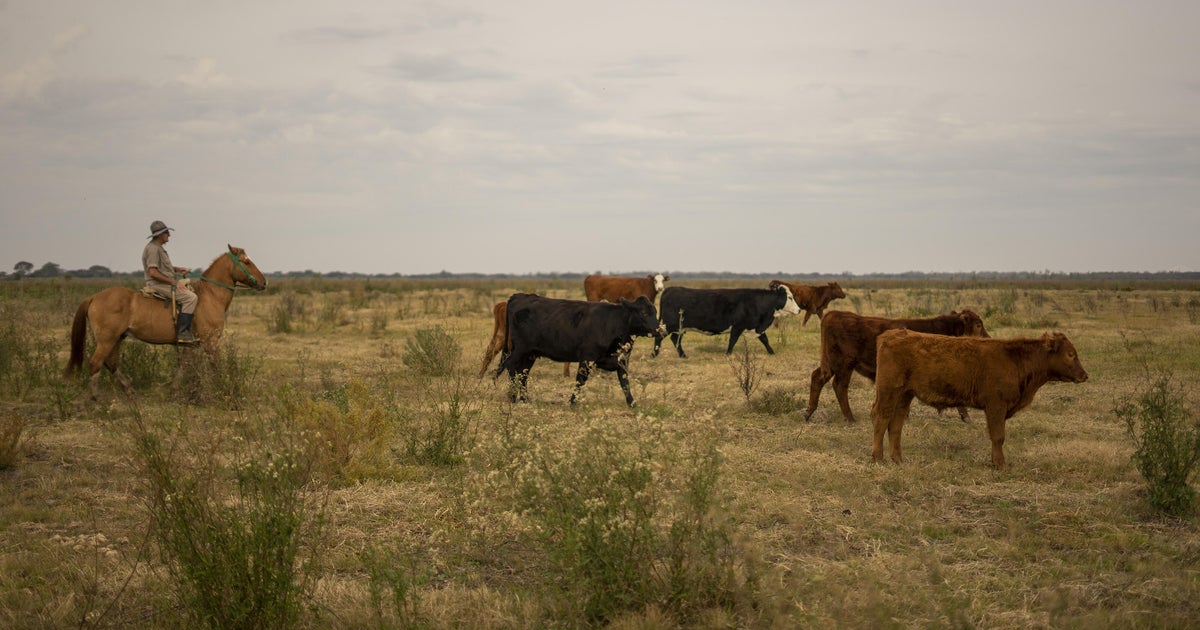
This article discusses President Trump's executive order to increase U.S. imports of tariff-free beef from Argentina, aiming to reduce rising beef prices for American consumers. The order allows an additional 80,000 metric tons of lean beef trimmings to enter the U.S. market. However, economists argue that this amount is only 0.6% of the U.S. beef supply and is unlikely to significantly lower prices. The article explains that the main reason for high beef prices is a diminished U.S. cattle supply due to extreme weather, droughts, and wildfires, which have decreased available cattle to a 75-year low. While prices for other proteins like eggs and chicken have dropped, beef remains expensive due to strong demand and limited supply. Experts suggest that rebuilding the cattle population, a long-term process, is essential for meaningful price reductions.
Biblical Reflection
From a scriptural perspective, this news highlights the complexities of stewardship, provision, and the limitations of human solutions when facing larger systemic challenges. While leaders are called to care for the needs of their people (Romans 13:4), quick fixes and policy maneuvers often fail to address root causes—here, the stewardship of God’s creation and the impact of environmental factors on food security. The article underscores the biblical principle that genuine, sustainable provision requires patience, wisdom, and long-term care for the land (Genesis 2:15). Attempts to provide immediate relief, though well-intentioned, may fall short if they do not address underlying issues. Christians are reminded to pray for wise leadership, to trust in God's ultimate provision, and to exercise patience and gratitude even in times of scarcity. Furthermore, it invites reflection on how society manages resources, treats creation, and supports those most affected by economic hardship, aligning with Jesus’ call to care for the hungry and vulnerable (Matthew 25:35).
Scripture in context
This outlook does not yet include contextual Scripture citations. Do not treat a general biblical theme as an exegetical conclusion.
Faithful Response
No prescribed response is offered. Consider the reflection prompts below in your own church context.
Reflection and Discussion
- 1How does my faith shape the way I view resource scarcity and economic hardship?
- 2In what ways can I practice stewardship over what God has entrusted to me, especially in times of scarcity?
- 3How can Christians advocate for both immediate relief and long-term solutions that care for people and creation?
Sources
Reporting links are evidence inputs; Sanctuary News' biblical reflection is commentary.
This outlook currently relies on fewer than two linked sources. Broaden verification before teaching from it.
- 1.Original reportprimary