News Summary
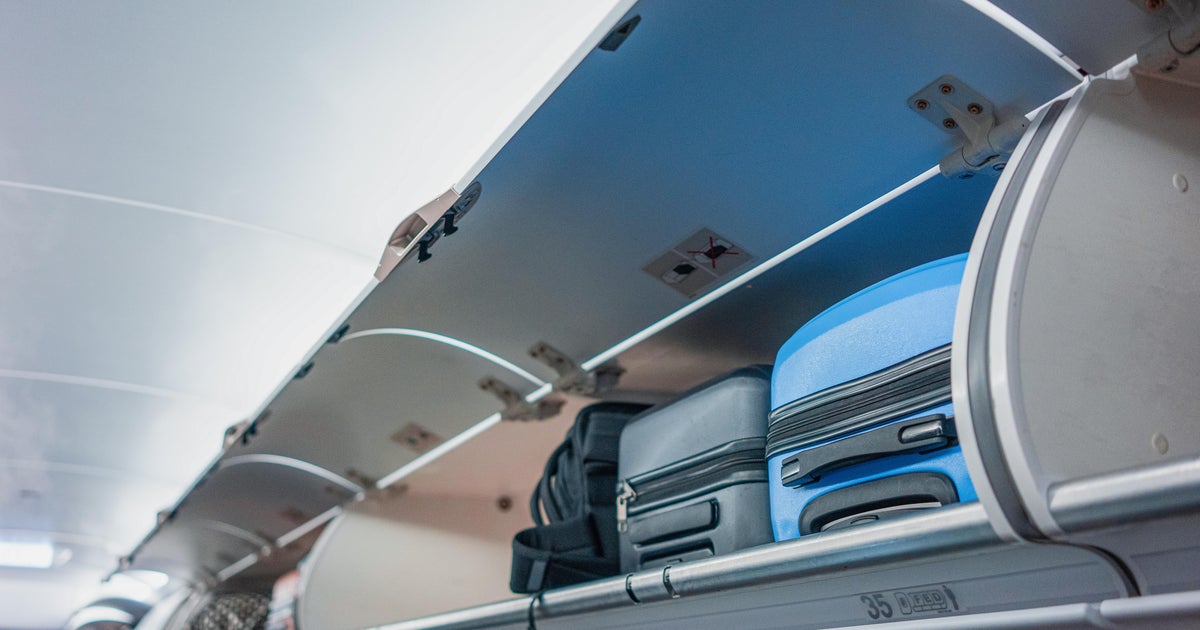
Airlines sometimes require passengers to gate-check carry-on luggage when the aircraft (often smaller regional jets) is unlikely to accommodate all carry-on bags in overhead bins or when boarding delays threaten an on-time departure. Airlines say boarding is a key factor in on-time performance and that asking some customers to gate-check speeds boarding; they use predictive tools to decide when this is necessary and claim it is a last resort. Airlines may also offer free lobby check-in for full flights. Travel experts say rising checked-bag fees have pushed more passengers to pack into carry-ons, increasing bin demand. The article notes Delta and Southwest raised first-checked-bag fees to $45 to offset higher jet fuel costs tied to the war with Iran. Passengers can reduce the risk of gate-checking by buying fares that board earlier or paying for priority boarding; airlines sometimes reserve overhead space for premium seats.
Biblical Reflection
The article describes an operational and economic trade-off: airlines balancing on-time performance, limited physical space on smaller aircraft, and revenue decisions that influence passenger behavior. The reporting cites airline spokespeople and a travel expert, and largely presents the airlines' operational rationale without deep independent data on how often bins truly are full or how fee policies were set. The underlying worldview is managerial and market-driven—decisions prioritize efficiency, schedule reliability, and cost recovery, and customers are nudged by pricing to adapt. From a Christian perspective, this raises questions about fairness and neighbor-love: fee increases and boarding hierarchies disproportionately burden those with fewer resources who cannot pay for priority boarding but still need to travel. It also calls for patience and empathy toward frontline airline staff implementing these policies. The article is factually straightforward but light on broader accountability details (industry-wide statistics, regulatory context, or passenger protections). Christians are called both to practice personal virtues—kindness, patience, and humility in shared public spaces—and to advocate for transparent, just business practices that do not unduly shift costs onto the vulnerable.
Scripture in context
This outlook does not yet include contextual Scripture citations. Do not treat a general biblical theme as an exegetical conclusion.
Faithful Response
No prescribed response is offered. Consider the reflection prompts below in your own church context.
Reflection and Discussion
- 1Who benefits from gate-check and priority-boarding practices, and who bears the costs when airlines pass fuel and operational expenses onto passengers?
- 2How does a market-driven focus on efficiency shape travel policies, and what questions should we ask about fairness and transparency in those decisions?
- 3When policies create friction between travelers and staff, how can Christians model compassion without excusing harmful systemic practices?
Sources
Reporting links are evidence inputs; Sanctuary News' biblical reflection is commentary.
This outlook currently relies on fewer than two linked sources. Broaden verification before teaching from it.
- 1.Original reportprimary