News Summary
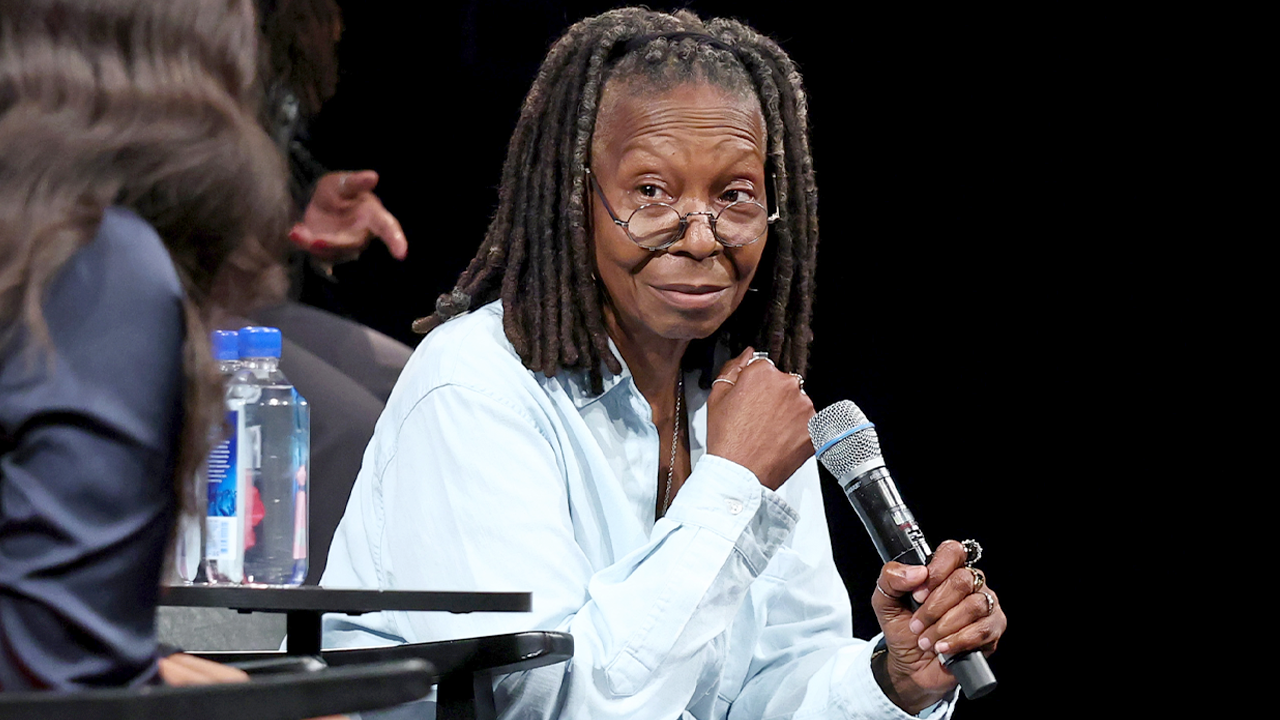
President Donald Trump attended Game 3 of the 2026 NBA Finals at Madison Square Garden between the New York Knicks and the San Antonio Spurs. The Spurs won 115-111, snapping the Knicks’ 2–0 series lead. Some Knicks fans blamed Trump’s presence for the loss and protested in the streets; his attendance also required heightened security and caused local travel disruptions. On ABC’s The View, co-host Whoopi Goldberg told the audience they should not blame Trump, arguing the team simply did not play well and that the president “does not have that kind of power.” Co-host Sunny Hostin countered that Trump brought “bad juju” to the arena and criticized the security expense and the crowd’s boos. Alyssa Farah Griffin said presidents who attend games during a winning streak risk being blamed for any loss. The segment included defenses of both Trump’s and New York Mayor Zohran Mamdani’s rights as longtime Knicks fans to attend the game.
Biblical Reflection
This article highlights two common impulses: the human tendency to scapegoat and the media’s role in amplifying partisan reactions. Framing a political leader as having supernatural influence over a sports outcome (a “jinx”) is a form of symbolic blame that relieves individuals and teams of responsibility and fuels division. Whoopi’s pushback toward scapegoating aligns with a sober ethic of accountability — athletes and coaches are responsible for performance — while Hostin’s “bad juju” comment reflects how cultural superstition and partisan dislike can be weaponized for rhetorical effect. The coverage itself is straightforward but participates in a media ecosystem that privileges snappy takes and culture-war resonance over measured analysis. Christians should resist making idols of public figures or treating opponents as spiritual sources of misfortune; instead pursue honest assessment, gracious speech, and civic temperance. At the same time, criticize where needed: questioning heavy security costs or civic disruption is legitimate, but it should be done without demonizing people.
Scripture in context
This outlook does not yet include contextual Scripture citations. Do not treat a general biblical theme as an exegetical conclusion.
Faithful Response
No prescribed response is offered. Consider the reflection prompts below in your own church context.
Reflection and Discussion
- 1Am I quick to attribute ordinary disappointments or failures to a single person’s presence or influence instead of looking at real causes?
- 2How does partisan dislike make it easier to treat an opponent as morally or spiritually culpable for unrelated events?
- 3When media commentary leans on superstition or scapegoating, how can I steady my judgment toward facts and compassion?
Sources
Reporting links are evidence inputs; Sanctuary News' biblical reflection is commentary.
This outlook currently relies on fewer than two linked sources. Broaden verification before teaching from it.
- 1.Original reportprimary