News Summary
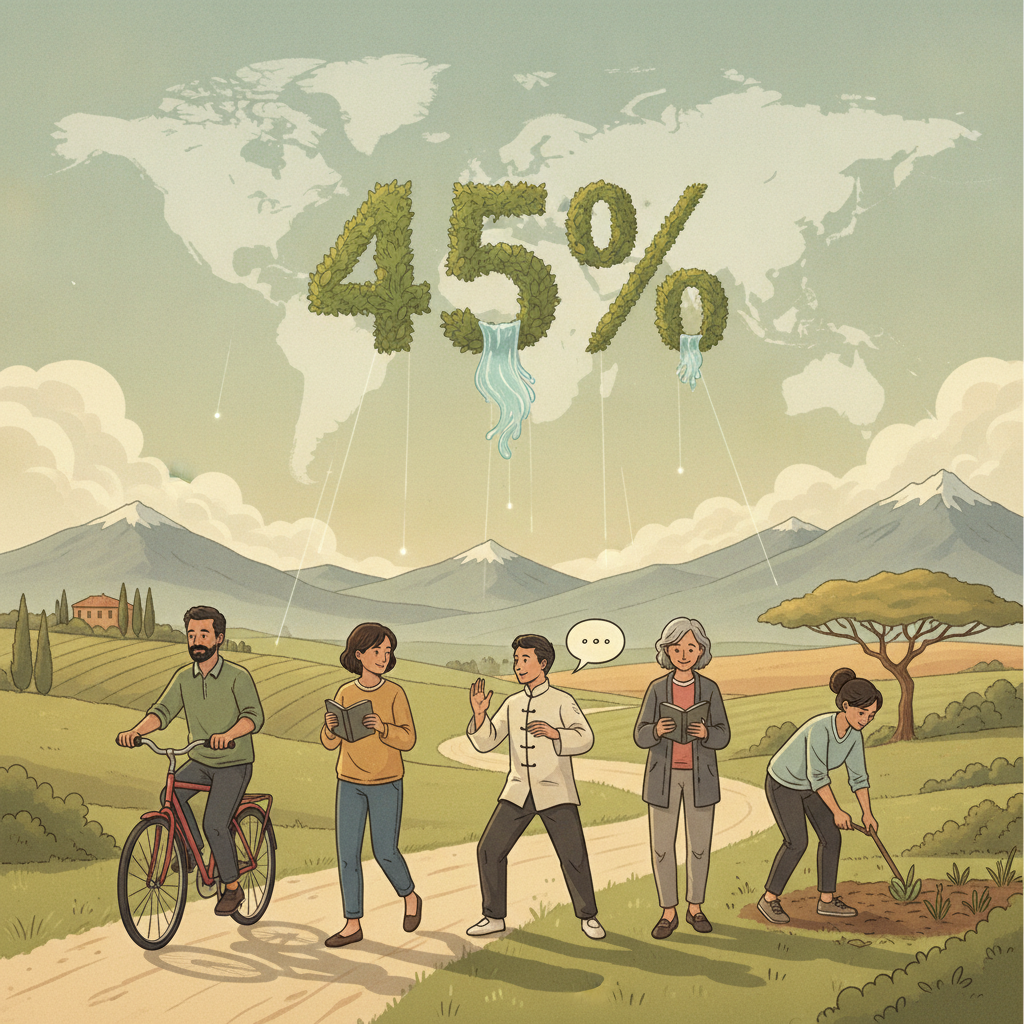
Reported facts: WHO published updated guidelines (15 July 2026) on reducing risk of cognitive decline and dementia, citing global estimates (57 million living with dementia; ~10 million new cases yearly; Alzheimer disease 60–70% of cases) and an estimated attributable risk of up to 45% tied to modifiable factors. The guidelines list specific recommended interventions (cognitive training, social engagement, physical activity, tobacco cessation, reduced alcohol, healthy diet, reduced air pollution exposure, management of hypertension/diabetes/high cholesterol, and offering hearing aids) and advise against routine use of certain supplements absent deficiency. WHO also reported an estimated global economic cost of US$1.3 trillion annually, half from unpaid care. Attributed claims: statements about the proportion of risk attributable to modifiable factors, the economic cost estimate, and the evidence base for each recommendation are presented as WHO findings. Uncertainties: the press release does not include detailed methods, regional breakdowns, or the primary studies and meta-analyses underpinning the 45% estimate or the cost calculation.
Source and Framing Analysis
Source role: This is a WHO press release presenting new guidelines and summarizing the organization's interpretation of the evidence. Missing voices: the article does not include perspectives from people living with dementia, caregivers, clinicians working in diverse health systems, health economists, or representatives from low- and middle-income countries on feasibility. Incentives and framing: WHO's goal is to guide global policy and public-health practice; the release emphasizes prevention and system integration. Disputed or methodology-dependent claims: the 'up to 45%' attributable risk and the US$1.3 trillion cost figure rely on underlying analyses not detailed here; the strength and quality of evidence behind each specific recommendation (for example, air-pollution links or hearing-aid effects) are summarized but not presented in full. What requires independent verification: the methodologies behind the 45% estimate and the economic cost, the strength and consistency of evidence behind new/updated recommendations, and implementation feasibility across settings.
Biblical Reflection
These guidelines reflect public-health, evidence-based intent to reduce future dementia burden and to shift emphasis toward prevention across the life course. The aims align with Christian concerns to protect human dignity, reduce suffering, and care for the vulnerable. The WHO framing centers both individual behavior change (exercise, diet, tobacco/alcohol cessation, social engagement) and systemic factors (air pollution, integrated NCD services). Christians should welcome guidance that helps preserve cognitive health and relieve caregiver burdens, while holding two cautions: 1) avoid moralizing or blaming individuals for conditions with complex social and environmental causes; and 2) press for justice and equity so recommendations are accessible—especially in low-resource settings where prevention, diagnosis, and assistive devices (e.g., hearing aids) may be unaffordable. Theologically, the guidance invites stewardship of the body and community responsibility for elders, calling churches to practical support, public advocacy for cleaner environments and better chronic-disease care, and compassionate ministries that preserve dignity and belonging for people living with dementia.
Scripture in context
- 1Matthew 25:31–46 — In the concluding section of Jesus' teaching about the final judgment, he describes acts of mercy—feeding the hungry, welcoming strangers, visiting the sick and imprisoned—as the criterion by which people are judged; the passage frames care for the vulnerable as care for Christ himself. — The passage reframes dementia care and prevention as moral acts: supporting people who are suffering, offering food for the needy, visiting those who are isolated, and relieving burdens on families are not merely good works but integral to Christian discipleship—encouraging congregations to respond with concrete mercy alongside advocacy for systemic change.
Faithful Response
Adopt recommended health practices personally (regular physical activity, blood-pressure and diabetes management, social engagement, smoking cessation) as acts of stewardship and witness.
Support and pray for family caregivers; offer practical help (meals, respite, transportation) and encourage use of evidence-based interventions like hearing aids when appropriate.
Advocate locally for public-health investments that enable prevention—clean air policies, access to primary care, affordable chronic-disease management, and social programs for elders.
Reflection and Discussion
- 1What questions should we ask about the evidence behind public-health recommendations before accepting them as policy or practice?
- 2How can Christians distinguish between prudent self-care encouraged by health guidance and attitudes that blame individuals for systemic health harms?
- 3Where can our church partner with local health authorities or NGOs to ensure recommended interventions reach economically vulnerable people?
Sources
Reporting links are evidence inputs; Sanctuary News' biblical reflection is commentary.
This outlook currently relies on fewer than two linked sources. Broaden verification before teaching from it.
- 1.New WHO guidelines: up to 45% of dementia risk could be prevented or delayedofficial_document