News Summary
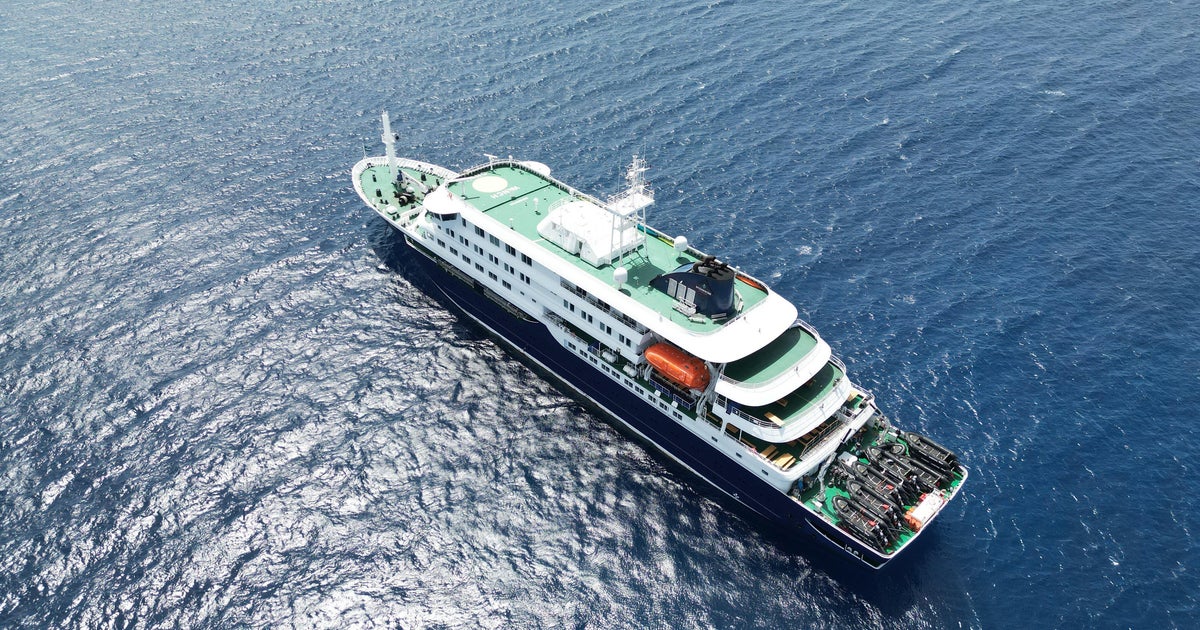
A hantavirus outbreak aboard the MV Hondius, a Dutch-operated cruise ship, has resulted in three confirmed deaths and multiple other suspected or confirmed cases. The ship, which had nearly 150 people aboard (including 87 remaining passengers and 61 crew at the time of reporting), was kept in open waters off Cape Verde after local authorities refused docking over public health concerns. The WHO said it believes there may have been rare human-to-human transmission among close contacts on board (for example, husband-and-wife pairs and people sharing cabins). One passenger who disembarked with gastrointestinal symptoms later died after a flight to Johannesburg; contact tracing for that flight was initiated. A British passenger evacuated to South Africa tested positive and is in critical condition; two sick passengers were planned to be evacuated to the Netherlands. Spanish authorities agreed to allow the ship to sail to the Canary Islands for a full epidemiologic investigation and disinfection. The WHO and local authorities are conducting laboratory testing, epidemiological investigations, medical care onboard, contact tracing, and a public health risk assessment. Health officials noted hantavirus is typically spread by rodents but that the Andes strain can rarely transmit between people; reported incubation is one to eight weeks and case fatality can be high. The ship departed Ushuaia, Argentina on April 1, and authorities are investigating where and how exposure occurred.
Biblical Reflection
From a Christian perspective this story calls for sober clarity and compassionate action. The factual record shows authorities and the WHO attempting to balance public safety and scientific investigation while caring for sick people — a prudent approach consistent with wise stewardship of life. Media headlines that emphasize rare human-to-human transmission without context can escalate fear; Christians are called neither to panic nor to spread alarm, but to seek and share accurate information (Ephesians 4:25) and to care for the vulnerable. Ethical tensions are present: coastal authorities restricting docking protect their populations, yet passengers and sick individuals need medical care and dignity. Scripture urges us to care for the sick (Matthew 25:36) and to respect lawful authorities charged with protecting public welfare (Romans 13:1–4). The underlying worldview in much coverage centers on risk, containment, and accountability; a Christian lens adds the priorities of mercy, truthfulness, and measured responsibility. Practically, that means supporting accurate reporting, praying and providing pastoral care for those affected, resisting stigmatization of travelers or nations, and encouraging public health measures that weigh communal safety with humane treatment.
Scripture in context
This outlook does not yet include contextual Scripture citations. Do not treat a general biblical theme as an exegetical conclusion.
Faithful Response
No prescribed response is offered. Consider the reflection prompts below in your own church context.
Reflection and Discussion
- 1How does the way media and officials frame the possibility of "human-to-human" transmission shape public fear, and what evidence do you need before accepting alarmist claims?
- 2Where should Christians place emphasis between protecting public health and ensuring compassionate care and dignity for those affected (passengers, crew, and families)?
- 3Are there signs of scapegoating or stigma in reporting or public reactions here, and how should a Christian community respond to resist that impulse?
Sources
Reporting links are evidence inputs; Sanctuary News' biblical reflection is commentary.
This outlook currently relies on fewer than two linked sources. Broaden verification before teaching from it.
- 1.Original reportprimary