News Summary
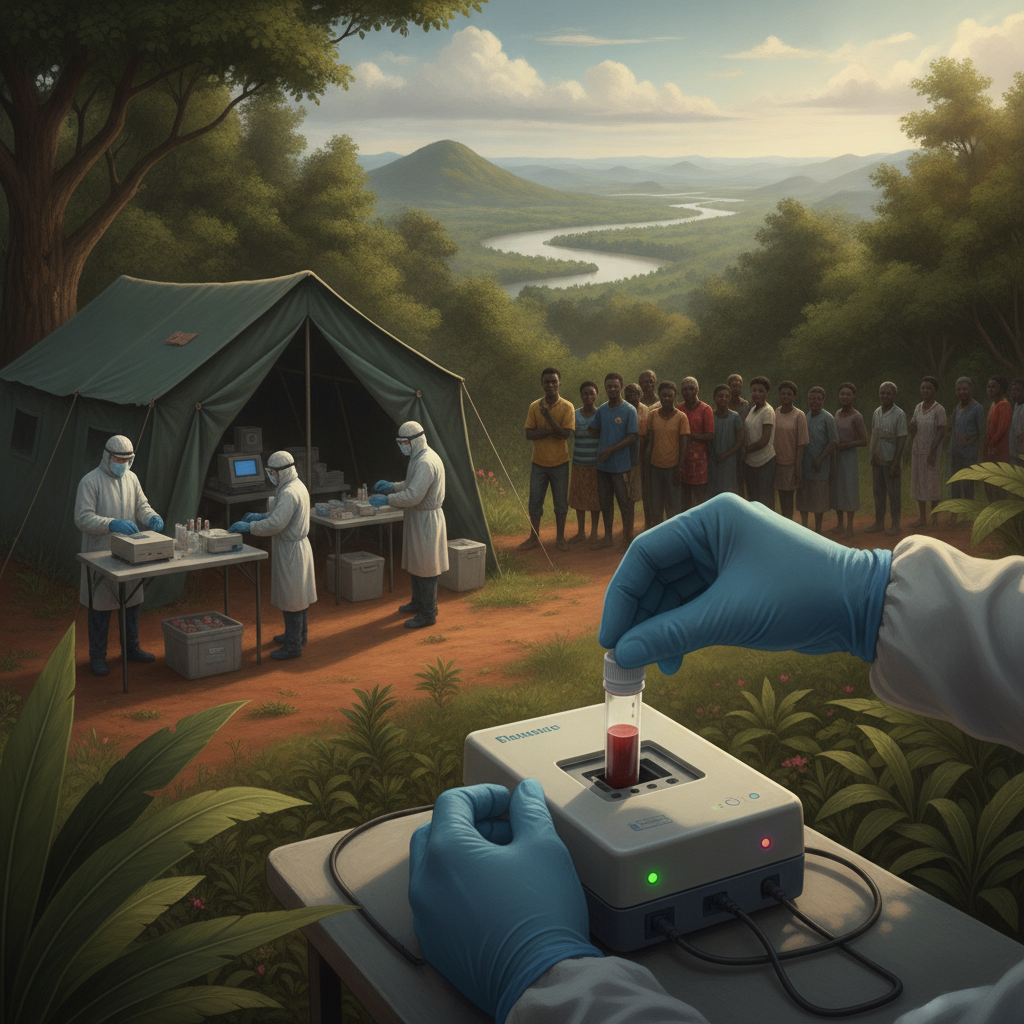
Facts: WHO announced that it added the first molecular IVD for Bundibugyo virus to its Emergency Use Listing; the test detects viral genetic material in blood. WHO stated it declared the BDBV outbreak a public health emergency of international concern on 17 May 2026 and reported 1,406 laboratory-confirmed cases and 438 deaths in the DRC. WHO reported laboratory testing capacity expanded from two primary sites (estimated 200–400 tests/day) to a network of 10 laboratories with over 2,000 tests/day. WHO and partners are creating a joint validation platform to evaluate diagnostics and additional EUL applications are under review. Attributed claims: WHO and its Assistant Director-General said EUL accelerates access to quality-assured diagnostics and can make a critical difference in containing transmission. Uncertainty: the press release does not include independent performance metrics (sensitivity/specificity), manufacturer identity or distribution details, nor third-party validation results.
Source and Framing Analysis
Source role: the piece is an official WHO press release; its purpose is to announce a regulatory milestone and reassure stakeholders about access to quality-assured diagnostics. Framing: emphasizes speed, quality assurance, and partnership. Missing voices: independent laboratory evaluators, national ministries of health (beyond aggregate case counts), manufacturers of the listed test, clinicians treating patients, and affected communities. Incentives: WHO has an institutional interest in promoting the EUL mechanism and advancing adoption of WHO-assessed products during an emergency; that does not invalidate the information but explains a positive framing. Disputed or unverified points: reported case/death counts and expanded testing capacity are reported by WHO and need independent confirmation; clinical performance and operational rollout details require third-party data. What requires verification: test manufacturer identity, published validation data (sensitivity/specificity, limits of detection), external lab evaluations, procurement and distribution plans, and impacts on clinical outcomes or transmission control.
Biblical Reflection
From a Christian pastoral perspective, this is a welcome development: tools that improve accurate, timely diagnosis can protect life, enable compassionate care, and slow disease spread—acts that align with neighbor-love and stewardship of community health. The article reflects WHO's institutional aim to speed access to standardized, quality-assured diagnostics in low-resource settings; its worldview privileges technocratic, evidence-based public-health action. Readers should note the piece is a WHO announcement and therefore highlights WHO's positive framing and intended benefits; independent clinical performance data, manufacturer details, and on-the-ground equity of access are not supplied here. Christian discernment calls us to welcome efforts that preserve life while remaining sober about uncertainty: pray for truth and wisdom, support practical care for the vulnerable, and press for transparency and equitable distribution so that the most vulnerable are not left behind.
Scripture in context
- 1Matthew 25:31–46 (sheep and goats) — In Jesus’ teaching about the final judgment, care for the hungry, sick, thirsty, stranger, naked, and imprisoned is equated with serving Christ himself; the passage addresses practical mercy within a community and reorients religious duty toward concrete care for vulnerable people. — This passage calls the church to practical engagement in public welfare—supporting efforts that identify and treat the sick, advocating for fair access to life-saving supplies, and viewing care for the afflicted as central to Christian witness rather than optional charity.
Faithful Response
Pray for those affected, for healthcare workers and policymakers, and for wisdom for scientists evaluating diagnostics.
Support reliable information: share verified guidance from health authorities and caution against unverified remedies or panic.
Care practically: provide material and pastoral support to affected families, and advocate for equitable distribution of diagnostics and care resources.
Reflection and Discussion
- 1Who is the primary source of the information and how does that influence what is emphasized or omitted?
- 2What further evidence (third-party validation, manufacturer performance data, implementation plans) would you need before accepting claims about the test’s field effectiveness?
- 3Are we observing a posture of compassionate concern or of fear—how does that affect our response and messaging?
Sources
Reporting links are evidence inputs; Sanctuary News' biblical reflection is commentary.
This outlook currently relies on fewer than two linked sources. Broaden verification before teaching from it.
- 1.WHO adds first diagnostic test for Ebola Bundibugyo virus to its Emergency Use Listingofficial_document