News Summary
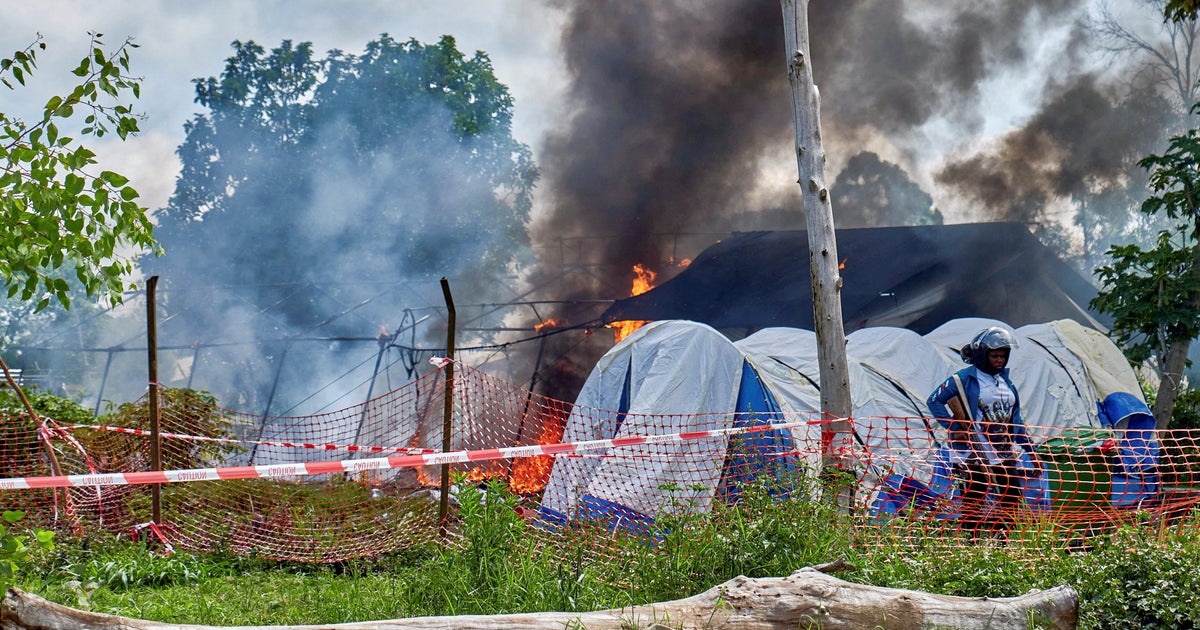
The World Health Organization (WHO) said the Ebola outbreak centered in northeastern Democratic Republic of Congo (DRC) is "spreading rapidly" and raised its national-level risk assessment to "very high." As of the WHO statement, 82 cases had been laboratory-confirmed with seven confirmed deaths; authorities report roughly 750 suspected cases and 177 suspected deaths. Neighboring Uganda has two confirmed cases linked to travel from the DRC and one death; WHO said regional risk is high and global risk remains low. Local authorities in the affected northeastern province temporarily banned funeral wakes and gatherings of more than 50 people and required burials to follow strict health protocols; journalists were told to obtain permits to report on the outbreak. Tensions have arisen between health responders and communities: an Ebola treatment center in Rwampara was set on fire after locals attempted to retrieve the body of a man suspected to have died of Ebola. Aid groups and health officials report difficulties due to misinformation, cultural clashes over burial rites, weak local health infrastructure, large numbers of internally displaced people, and ongoing armed conflict in the region. There is currently no available vaccine or approved medicine for the Bundibugyo strain; experts estimate six to nine months before a strain-specific vaccine could be available. International responses include travel restrictions (the U.S. is screening/diverting travelers from the region) and event postponements (the India-Africa Forum Summit). Local disruptions include the cancellation of events such as the Congo national soccer team’s training camp.
Biblical Reflection
This report is largely factual in its use of WHO assessments, case counts (confirmed vs. suspected), and concrete events (a treatment center arson, local bans, international travel measures). The emphasis on rapidly rising risk and vivid incidents of community resistance can rightly convey urgency, but readers should note the difference between confirmed and suspected numbers and that situational details can change quickly. From a Christian perspective several realities stand out:
- The ethical and pastoral tension: public-health measures (isolation, regulated burials) aim to protect life but can clash with deeply held cultural and religious practices around death and mourning. Christians should resist easy judgment of communities who react out of grief or distrust; instead advocate for responses that pair public-safety rigor with humility, cultural sensitivity, and clear communication.
- The need for truth and compassion: accurate information and trustworthy relationships are crucial. The article shows how misinformation and weak infrastructure worsen crisis response. The church’s role includes praying, dispelling fear with truth, supporting credible health efforts, and caring practically for the sick and displaced (James 2:14-17; Matthew 25:35-40).
- Structural realities matter: armed conflict, displacement, and reduced international aid are not peripheral— they are central drivers that make outbreaks harder to contain. Biblical concern for the vulnerable includes advocating for resources and peace that enable the protection of life (Proverbs 31:8-9).
- Beware of sensationalism that stigmatizes: reporting dramatic incidents like arson is newsworthy, but Christians should avoid narratives that dehumanize or scapegoat affected communities. The gospel calls us to mourn with those who mourn (Romans 12:15) and to seek reconciliation and healing.
In short: the article’s facts should prompt sober prayer, practical support for responders and communities, and careful public witness that balances truth, compassion, and a pursuit of justice for displaced and vulnerable people.
Scripture in context
This outlook does not yet include contextual Scripture citations. Do not treat a general biblical theme as an exegetical conclusion.
Faithful Response
No prescribed response is offered. Consider the reflection prompts below in your own church context.
Reflection and Discussion
- 1How does this coverage balance urgent public-health facts with sensitivity to local customs, and where might additional context (history of trust or mistrust) change your reading of community reactions?
- 2What assumptions do we bring about authority and expertise when public-health measures conflict with cultural or religious practices, and how should Christians weigh obedience to civil guidance with respect for local traditions?
- 3Who are the most vulnerable groups named or unnamed in this story (displaced people, grieving families, frontline workers), and what practical, justice-oriented actions would most reflect Christian care for them?
Sources
Reporting links are evidence inputs; Sanctuary News' biblical reflection is commentary.
This outlook currently relies on fewer than two linked sources. Broaden verification before teaching from it.
- 1.Original reportprimary