News Summary
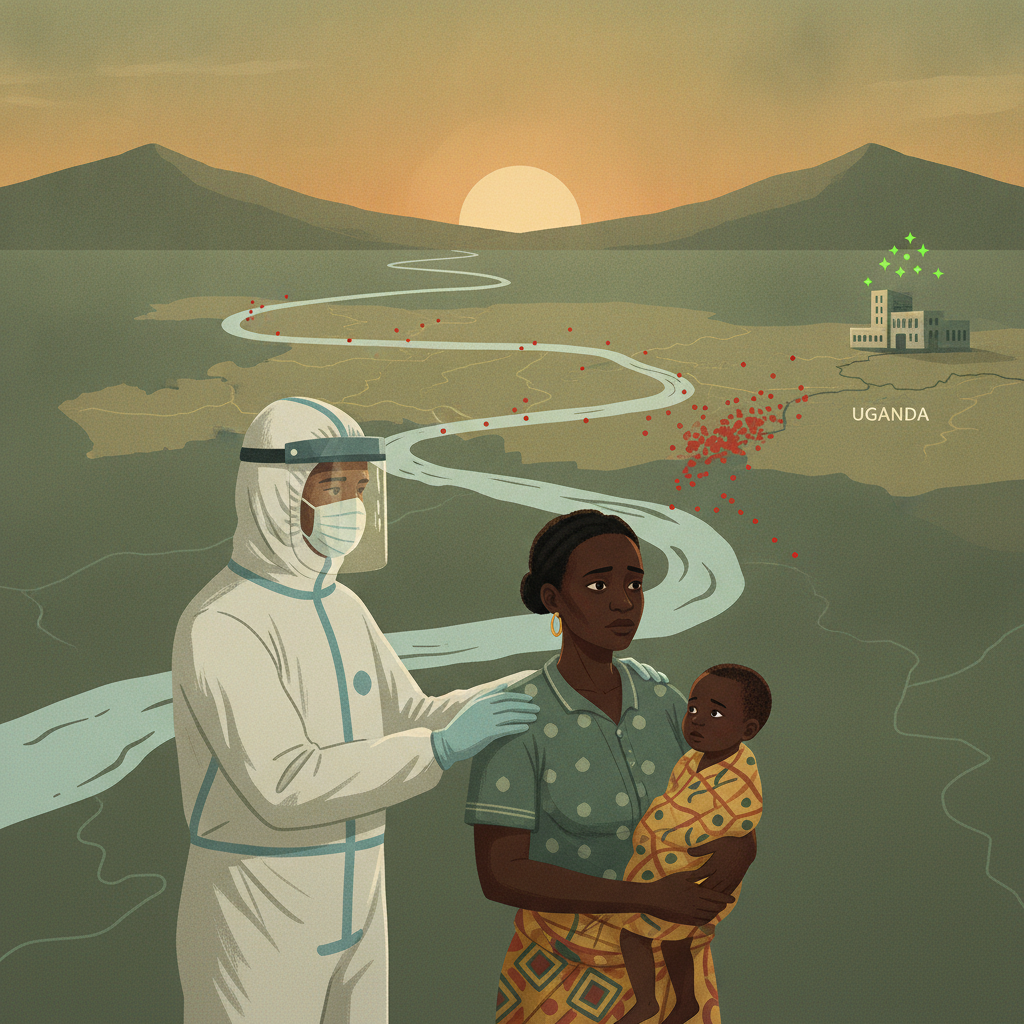
The UN News article reports that the WHO director warned the Ebola outbreak in the Democratic Republic of the Congo has become the third largest Ebola epidemic on record and is spreading faster in its first month than previous outbreaks. The article's headline mentions Uganda reaching a milestone, but the supplied article text provides no detail about that milestone. The report does not include case numbers, dates, affected provinces, or specific operational details about the response.
Source and Framing Analysis
The article is a short news brief that relays an attributed warning from the WHO head but lacks supporting epidemiological data or quotations that would clarify the basis for the ranking and speed comparison. The framing emphasizes scale and speed without offering the underlying figures or contextual detail (e.g., how the ranking was determined, whether new diagnostic or reporting changes affect apparent spread). This missing information materially affects how the claim should be understood.
Biblical Reflection
This report draws attention to a serious public-health emergency with regional consequences. The WHO's warning signals that response capacity may be insufficient for the outbreak's pace, which raises concerns for vulnerable communities, health workers, and humanitarian operations. The article is terse and leaves important evidentiary details unstated (case numbers, timeline, and what the Uganda milestone entails), so readers should hold a posture of sober concern, seek fuller data from health authorities, and pray for compassion and practical aid for those affected. Christians should respond with truthfulness about the scale of the threat, mercy toward sufferers, support for care workers, and humility in recognizing limits of our knowledge until more information is published.
Scripture in context
- 1Matthew 25:35-40 — In a parable about final judgment, Jesus identifies acts of mercy—feeding the hungry, welcoming strangers, clothing the naked, visiting the sick and imprisoned—as service to him and marks them as the criteria by which his followers are recognized. — This passage emphasizes that caring for those in need is central to Christian identity; in an outbreak, visiting the sick may take forms consistent with public-health guidance (supporting treatment, offering prayer, and providing material help) while protecting others from harm.
- 2James 2:14-17 — James argues that faith without works is dead, urging concrete expressions of faith through actions that meet real needs, not merely words. — Prayer and concern are necessary, but Christians are also called to practical aid—supporting health workers, donating to relief efforts, and participating in community resilience—especially when lives are at stake.
Faithful Response
Pray specifically for patients, health workers, and families affected by the outbreak; ask for wisdom for public-health authorities.
Seek reliable updates from WHO, the DRC Ministry of Health, and trusted public-health partners before sharing information publicly.
Support reputable humanitarian and medical organizations (financially or through organized church donations) that are working on the ground.
Encourage vulnerable members of your congregation to follow public-health guidance while providing pastoral care and material assistance to those in quarantine or isolation.
Reflection and Discussion
- 1What credible sources will I consult to understand the scale and needs of this outbreak before acting or sharing information?
- 2How can our church embody both truthful communication and compassionate action for those affected by this health emergency?
- 3Are we prepared to support front-line caregivers (prayer, supplies, financial aid) even when the work is risky or difficult?
Sources
Reporting links are evidence inputs; Sanctuary News' biblical reflection is commentary.
This outlook currently relies on fewer than two linked sources. Broaden verification before teaching from it.
- 1.WHO warns DR Congo Ebola outbreak is outpacing response as Uganda reaches milestoneofficial_document