News Summary
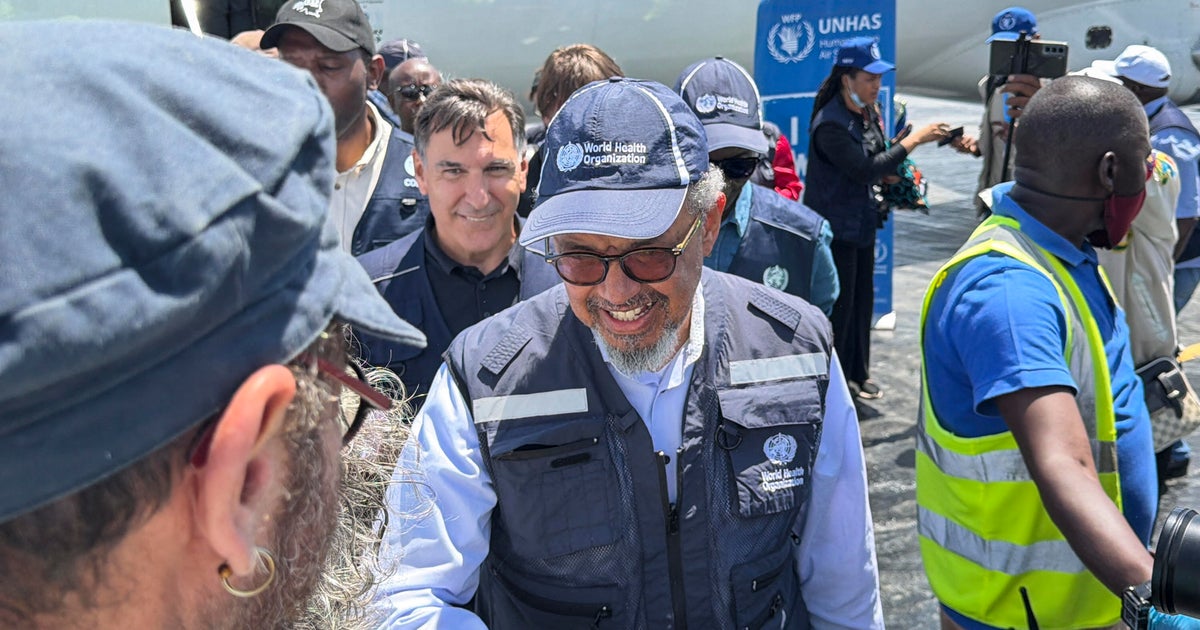
WHO Director-General Tedros Adhanom Ghebreyesus visited Bunia in eastern Democratic Republic of Congo, the epicenter of a Bundibugyo Ebola outbreak. Official figures cited in the report list 906 suspected cases and 223 suspected deaths, while some organizations warn actual numbers may be multiple times higher. Uganda has confirmed nine cases and one death. The Bundibugyo virus has no approved treatment or vaccine. WHO upgraded the national risk level to "very high" and described the outbreak as spreading rapidly. Medical aid shipments from the European Union arrived in Ituri; the U.S. announced an additional $80 million in aid (bringing its total commitment to more than $112 million). Doctors Without Borders (MSF) said the outbreak is spreading faster than the response and called for expanded testing, faster deployment of aid workers, and sustained access for supplies. Response efforts in Bunia hospitals appear more organized with additional staff and protective gear, but patients continue to arrive continuously. Violence and community resistance have hampered response efforts: residents attacked health centers over burial protocols that conflict with local rites, and armed groups (including the Allied Democratic Forces and ethnic militias) and rebel activity in neighboring provinces have also impeded access. Uganda and Rwanda closed borders with Congo; WHO criticized border closures as counterproductive and discouraging transparency. The U.S. announced travel restrictions and entry bans for some recent travelers from the region and expanded airport health screenings. A Kenyan court temporarily blocked a U.S. plan to establish an Ebola quarantine facility on an East African air base.
Biblical Reflection
The article reports a fast-moving public-health emergency where technical expertise, humanitarian aid, and political decisions intersect with deep local realities. The intentions of international and local health actors appear to be to contain the outbreak and support affected communities; governments' responses range from targeted aid to restrictive travel and border policies driven by fear and national security concerns. The reporting relies on official counts described as "suspected" and on warnings from frontline NGOs, reflecting both uncertainty and urgency. From a Christian perspective, the situation exposes several moral tensions: the call to truth (accurate reporting and transparent cooperation), mercy (care for the sick and protection of health workers), humility (international responders learning from and partnering with local communities), and courage (standing with vulnerable people despite risk). There is also a danger of scapegoating, stigmatization, and fear-driven policies that prioritize perceived safety over solidarity. The article fairly conveys the complexity—health limits, logistical aid, and conflict—but readers should note the gap between reported figures and unknown realities in conflict zones, and the cultural friction around burial practices that must be addressed with respect and pastoral sensitivity. Christians should advocate for truthfulness, humane policies, sustained support for responders, and culturally wise engagement that honors both life and local dignity.
Scripture in context
This outlook does not yet include contextual Scripture citations. Do not treat a general biblical theme as an exegetical conclusion.
Faithful Response
No prescribed response is offered. Consider the reflection prompts below in your own church context.
Reflection and Discussion
- 1Are public-health decisions being shaped more by fear and political optics than by accurate local information and respect for affected communities?
- 2Whose voices are being centered in the response—the technical experts, outside governments, local leaders, or the families and communities who live with these customs and risks?
- 3How does the presence of conflict and violence change the way we should evaluate reported numbers and calls for action in humanitarian crises?
Sources
Reporting links are evidence inputs; Sanctuary News' biblical reflection is commentary.
This outlook currently relies on fewer than two linked sources. Broaden verification before teaching from it.
- 1.Original reportprimary