News Summary
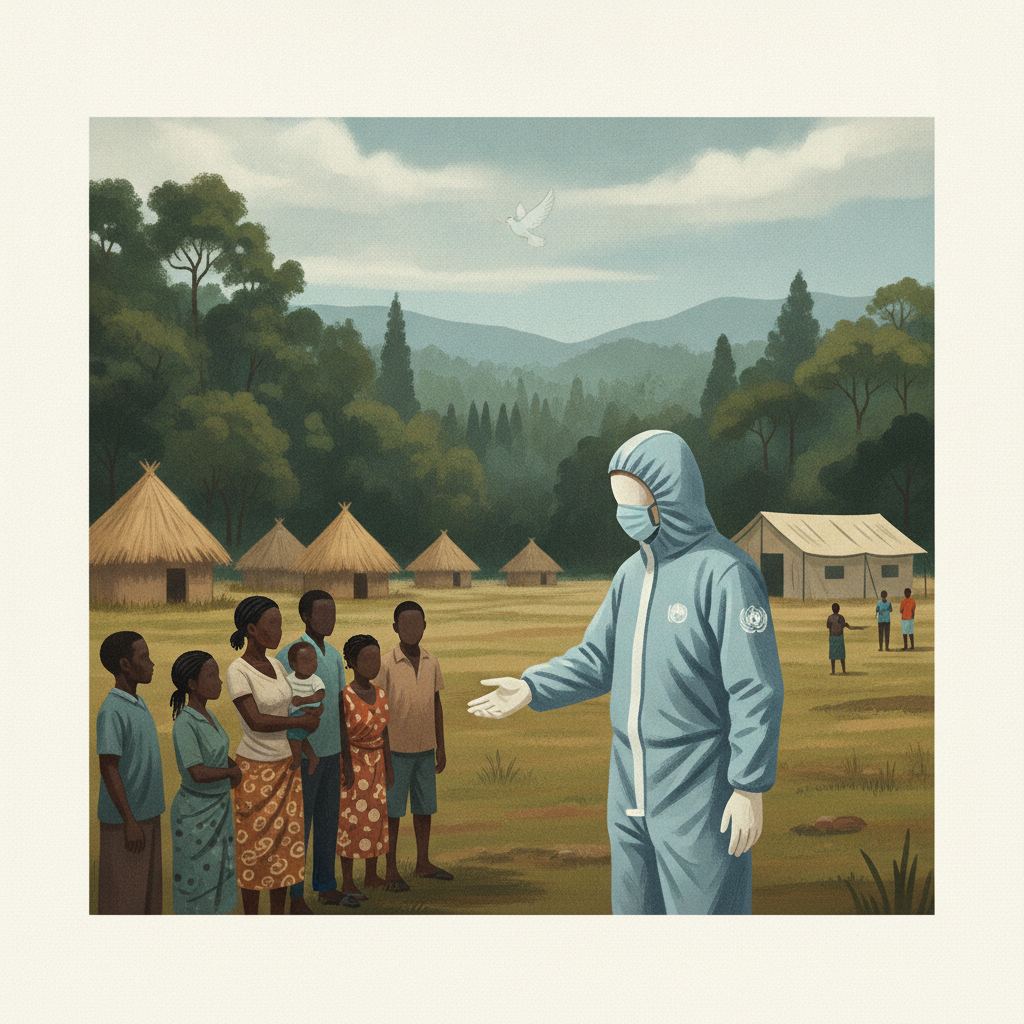
Reported facts: WHO Director-General Tedros Adhanom Ghebreyesus issued a personal message to people in the DRC describing a renewed Ebola outbreak concentrated in Ituri province, stating that over 90% of cases are in Ituri, that the outbreak is caused by Ebola Bundibugyo, and that there are currently no approved vaccines or specific treatments for this strain; WHO teams are on the ground and Tedros plans to travel to Bunia. Attributed claims: the message recounts past visits (14 visits to North Kivu in 2018–2020) and describes attacks on health workers and disrupted response during prior outbreaks; it appeals to warring parties to declare a temporary ceasefire. Uncertainties: the message does not provide detailed case counts, independent verification of the >90% figure, timelines, or clinical outcome statistics in this release.
Source and Framing Analysis
This is a primary communication from WHO leadership to affected communities, framed with pastoral language and operational detail. The speaker emphasizes listening, trust-building, and a public appeal for ceasefire — priorities that shape WHO’s public health strategy. Material uncertainties that affect decision-making (exact case counts, timing, level of armed obstruction, and local community acceptance) are not quantified in this message; the appeal’s effectiveness will depend on actors outside WHO’s control.
Biblical Reflection
This message is pastoral and practical: it aims to inform, encourage trust-building, and mobilize both medical response and humanitarian access. The WHO’s transparency about the virus strain and current lack of approved vaccines or treatments for Bundibugyo is an important act of truth-telling that respects the public’s need for accurate information. Tedros’ direct appeal for a ceasefire calls for peacemaking and protection of the vulnerable — a moral and pragmatic necessity when conflict impedes life-saving care. Christians should welcome clear communication that centers human dignity, while remaining cautious about uncertainty: the WHO statement is authoritative but limited to the facts it reports and to operational plans that still depend on security and local cooperation. Pastoral care, truth, and solidarity with afflicted communities are the right responses; Christians must also demand accountability where violence prevents healthcare and resist narratives that scapegoat or stigmatize affected people.
Scripture in context
- 1Luke 10:25–37 (Parable of the Good Samaritan) — A legal expert asks Jesus how to inherit eternal life and “who is my neighbor”; Jesus tells a story in which a Samaritan, not a religious leader, shows compassion and care across ethnic and social boundaries. — In a region marked by conflict and mistrust, the parable calls Christians to cross divides to provide practical care; it models neighbor-love that prioritizes urgent human need over politics or identity.
- 2Matthew 25:31–46 (Care for 'the least of these') — Jesus speaks about final judgment, commending those who fed the hungry, clothed the naked, visited the sick and imprisoned, identifying such actions with service to Christ himself. — This text undergirds a theology of service in crises: tending to the sick and defending the vulnerable is not peripheral but central to discipleship — a faithful basis for supporting humanitarian responses and advocating for safe access to care.
Faithful Response
Pray regularly for those affected, for health workers, and for leaders who can secure safe humanitarian access.
Support credible organizations (local churches, trusted NGOs, or WHO-coordinated partners) with financial gifts, supplies, or communications help, prioritizing local leadership and accountability.
Resist and correct misinformation; share accurate, WHO-sourced guidance about symptoms and the importance of early care-seeking.
Advocate nonpartisanally for protection of health workers and civilians — for example, encouraging public officials and community leaders to pursue temporary ceasefires or humanitarian corridors.
Reflection and Discussion
- 1In what ways should the church prioritize listening to local leaders and survivors before designing or offering aid?
- 2When public appeals for ceasefires are made, how should Christians balance prayerful intercession, public advocacy, and respect for complicated political realities?
- 3How can we guard against fear-driven responses that harm dignity while still taking prudent steps to protect health?
Sources
Reporting links are evidence inputs; Sanctuary News' biblical reflection is commentary.
This outlook currently relies on fewer than two linked sources. Broaden verification before teaching from it.
- 1.Message by the WHO Director-General to the people of the Democratic Republic of the Congoofficial_document