News Summary
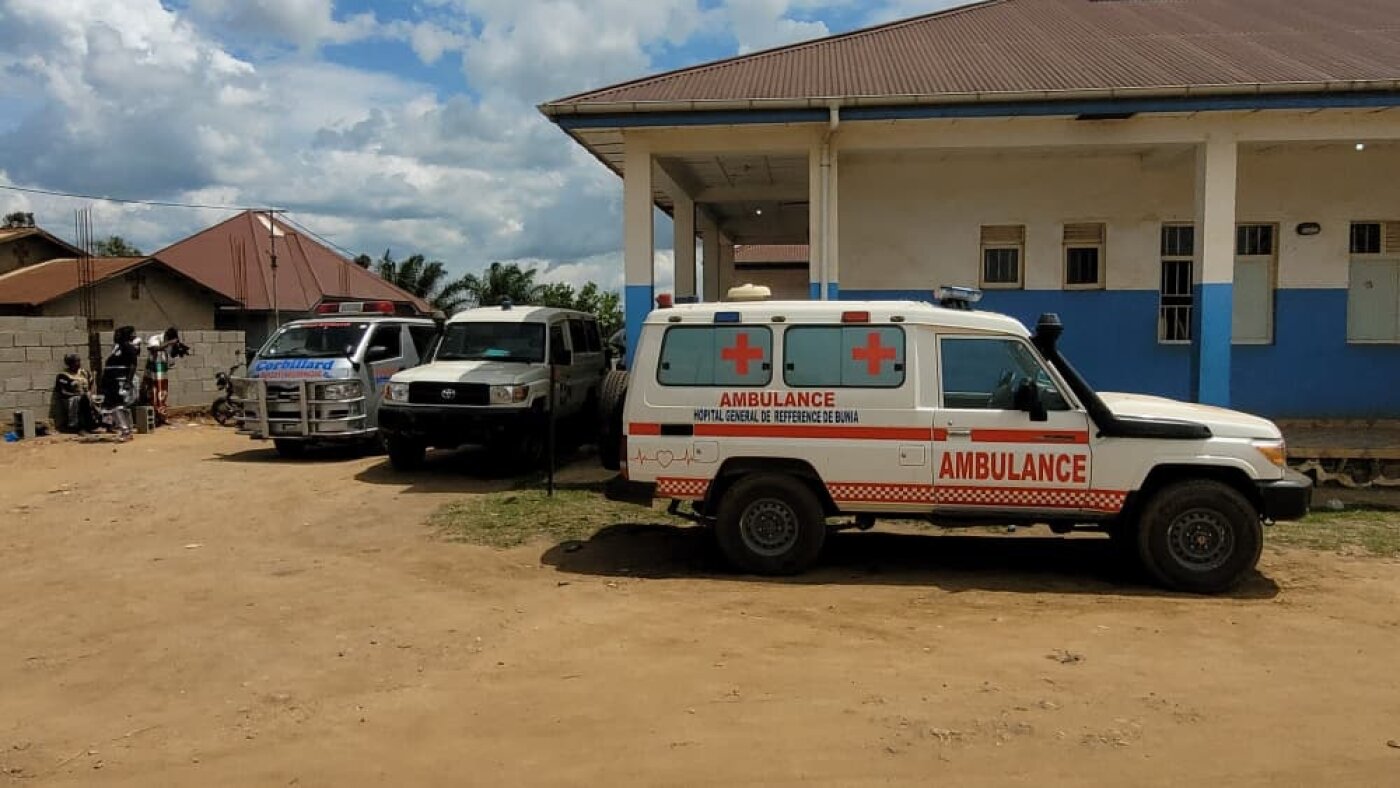
The World Health Organization declared the Ebola outbreak in eastern Democratic Republic of Congo (Ituri province) a public health emergency of international concern. WHO Director-General Tedros Adhanom Ghebreyesus said the outbreak "does not meet the criteria of pandemic emergency" and advised against closing borders. The outbreak was first reported in late April and, as of the report, Africa CDC cited 336 suspected cases and 87 deaths. Cases are concentrated in the mining towns Mongwalu and Rwampara; at least one case crossed into neighboring Uganda, where a 59-year-old Congolese man died in Kampala on May 14 and his body was returned to DRC for burial. The strain identified is Bundibugyo, for which there is currently no approved vaccine. Africa CDC noted a candidate experimental vaccine has only been tested in animals (showing ~50% efficacy in monkeys) and human efficacy is unassessed. Public health officials emphasized transmission by contact with infected bodily fluids and contaminated surfaces and recommended full protective equipment for healthcare workers. Africa CDC and partners are working on cross-border surveillance, preparedness and response, and officials noted shortages of PPE and funding needs.
Biblical Reflection
From a Christian perspective, the WHO declaration is a practical public-health step to coordinate international attention and resources; it is not the same as declaring a pandemic. The article largely reports factual developments (case counts, cross-border spread, lack of a licensed vaccine for the Bundibugyo strain, PPE shortages). Readers should be wary of subtle forms of sensationalism—evocative numbers or historical comparisons (e.g., 2014–2016 outbreak) can provoke anxiety if not paired with the context WHO provided (no pandemic designation, targeted response). Spiritually, this event highlights two core truths: human vulnerability and the Christian call to care. The reality of contagious disease reminds us of our dependence on scientific wisdom and collective action—supporting public-health workers, funding PPE and surveillance, and practical aid are expressions of neighbor-love (Matthew 25). At the same time, Christians must resist fear-driven responses that stigmatize travelers or marginalize affected communities. The story also surfaces systemic issues—limited local manufacturing of PPE, under-resourced health systems, and global inequality—that call for compassionate advocacy and long-term stewardship. Evaluate claims with humility: uncertainties remain (true case counts, speed of spread, vaccine prospects). Pray for wisdom for leaders, protection for caregivers, and generosity for vulnerable populations, while supporting credible public-health guidance and avoiding panic or scapegoating.
Scripture in context
This outlook does not yet include contextual Scripture citations. Do not treat a general biblical theme as an exegetical conclusion.
Faithful Response
No prescribed response is offered. Consider the reflection prompts below in your own church context.
Reflection and Discussion
- 1Are headlines or comparisons to past epidemics emphasizing fear rather than conveying the WHO's measured guidance (e.g., that this is not judged a pandemic)?
- 2How might resource scarcity (PPE, funding, local health infrastructure) shape both the outbreak's course and the fairness of the global response?
- 3In what ways can Christians balance reliance on scientific public-health measures with the call to show practical compassion to affected communities without fostering stigma?
Sources
Reporting links are evidence inputs; Sanctuary News' biblical reflection is commentary.
This outlook currently relies on fewer than two linked sources. Broaden verification before teaching from it.
- 1.Original reportprimary