News Summary
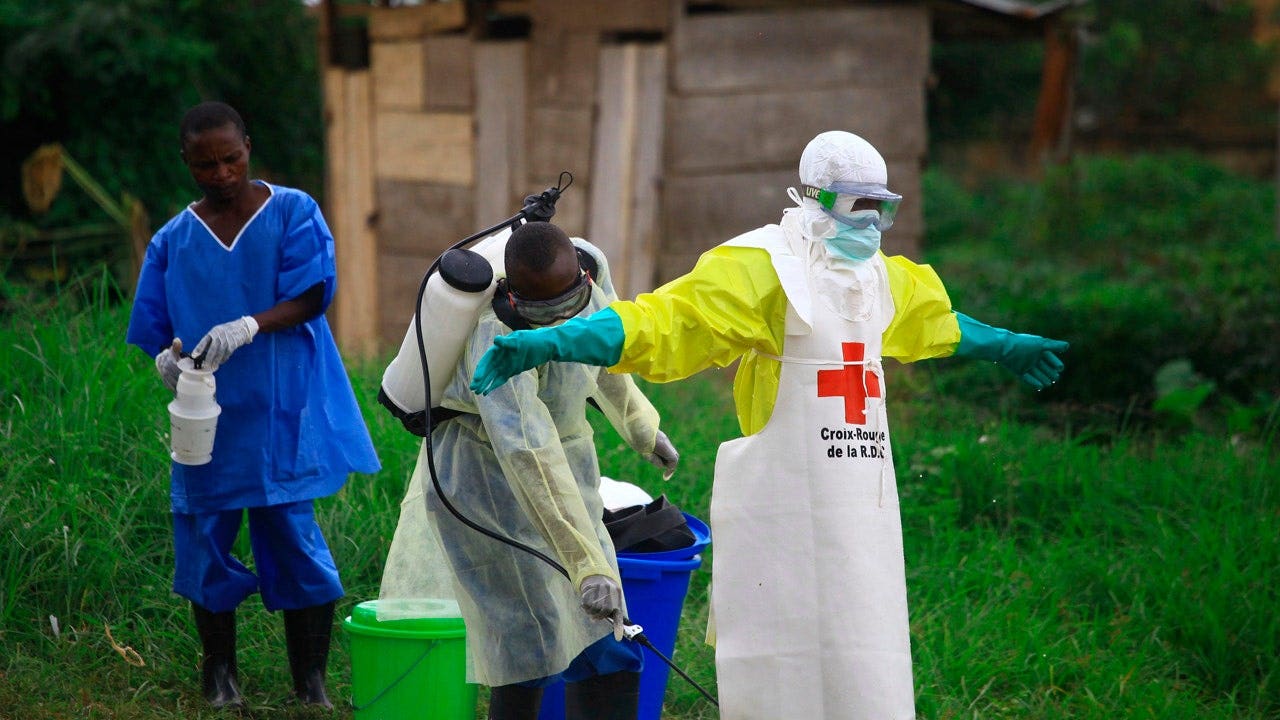
The World Health Organization declared an Ebola outbreak involving the Bundibugyo virus in Central Africa to be an international public health emergency. As of the most recent reports, there are 246 suspected cases and 8 laboratory-confirmed cases, and about 80 suspected deaths across multiple health zones in the Democratic Republic of the Congo (including Bunia, Rwampara and Mongbwalu). Additional laboratory-confirmed cases have been reported in Uganda’s capital Kampala and in Kinshasa tied to travel from Ituri province. Initial testing indicates the outbreak is caused by the Bundibugyo strain rather than the Ebola Zaire strain; unlike Zaire strains, Bundibugyo currently has no widely approved vaccines or therapeutics. The WHO characterized the situation as "extraordinary," warned the outbreak could be larger than reported given high positivity among initial samples, released $500,000 in emergency funds, and will convene an emergency committee to issue response recommendations. The organization did not recommend travel bans or border closures but urged countries to activate emergency-management systems and strengthen cross-border screening. The report also noted a separate, concurrent hantavirus cluster tied to a cruise ship that has sickened passengers and crew.
Biblical Reflection
From a Christian perspective, this report calls both for sober attention to facts and compassionate action. The WHO declaration is a technical move to mobilize resources and coordination; recognizing its purpose helps avoid panic while acknowledging legitimate risk. Media coverage that emphasizes numbers or uses alarmist language can stir fear or stigmatize affected communities; Christians are called to resist fear-based responses and to seek truth (John 8:32) while also practicing prudent care. Practically, this means supporting accurate public-health measures, praying for health workers and affected families, advocating for resources and access to care, and resisting narratives that blame or isolate whole peoples. Spiritually, outbreaks expose human vulnerability and the limits of our control, which should drive humility, intercession, and practical charity. At the same time, Christians should be careful not to conflate public-health guidance with threats to faith — responsible stewardship of one another's health is consistent with biblical love for neighbor.
Scripture in context
This outlook does not yet include contextual Scripture citations. Do not treat a general biblical theme as an exegetical conclusion.
Faithful Response
No prescribed response is offered. Consider the reflection prompts below in your own church context.
Reflection and Discussion
- 1What assumptions or emotions does the article encourage (fear, urgency, blame), and how should a Christian weigh those against sober facts and compassion?
- 2Who benefits from the specific framing and details emphasized (e.g., counts, 'extraordinary' language, comparisons to prior outbreaks), and what voices or contexts might be missing (local healthcare workers, affected communities)?
- 3How can the church practically balance trusting public-health guidance and protecting public welfare while refusing to stigmatize people from affected regions?
Sources
Reporting links are evidence inputs; Sanctuary News' biblical reflection is commentary.
This outlook currently relies on fewer than two linked sources. Broaden verification before teaching from it.
- 1.Original reportprimary