News Summary
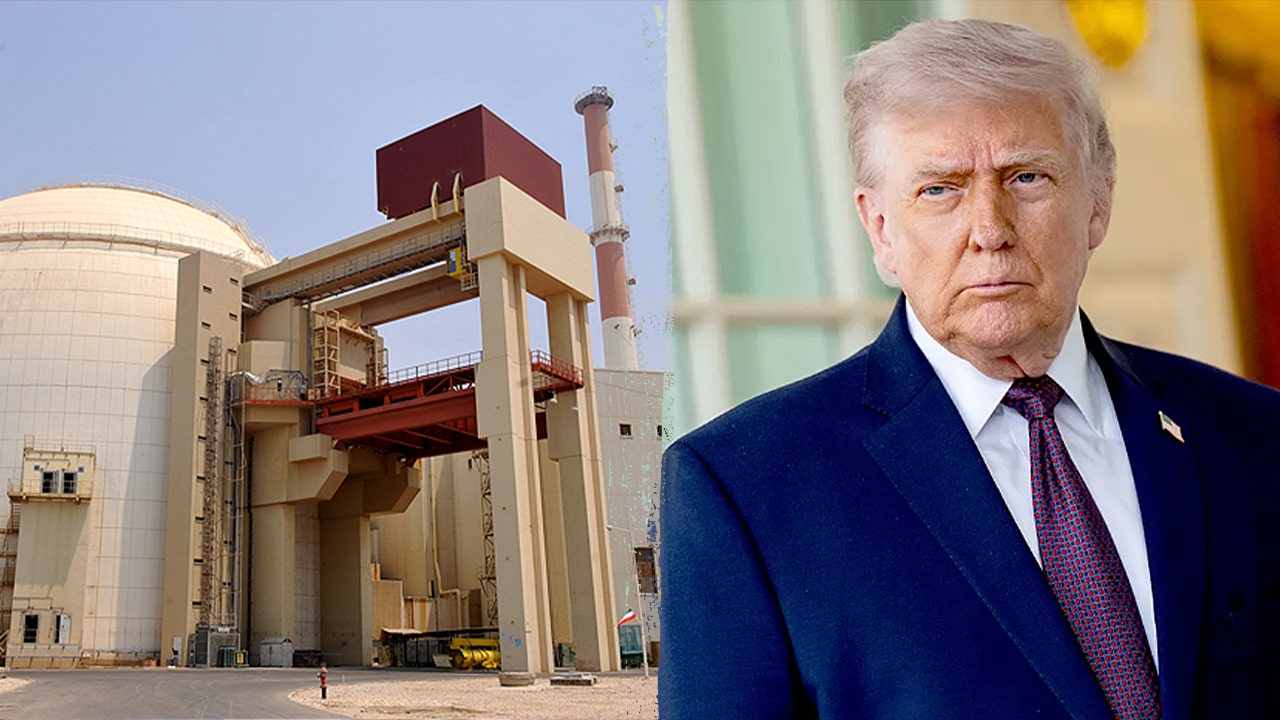
The White House has requested $672 million as part of an $80 billion supplemental funding package related to the Iran conflict. The $672 million would fund removal and elimination of Iranian nuclear materials (including uranium hexafluoride, enriched uranium in various forms, and research-reactor fuel), U.S. verification activities inside Iran, support for IAEA inspections, nuclear-smuggling detection, and expanded Nuclear Emergency Support Team operations in the Middle East. The Department of Energy would administer activities intended to prevent Iran from developing or acquiring a nuclear weapon. The request accompanies ongoing technical negotiations following a June 17 memorandum of understanding between the U.S. and Iran; that memorandum set “downblending” under IAEA supervision as the minimum methodology for disposition of Iran’s roughly 900-pound enriched-uranium stockpile but left key details—such as whether material will remain in Iran, be transferred, or be destroyed—unresolved. Vice President JD Vance is leading technical talks in Switzerland; the administration says Iran has agreed to allow IAEA inspectors back into the country. President Donald Trump publicly asserted that Iran agreed to extensive inspections. Officials note disposing of enriched uranium is technically and logistically complex, citing the 1994 Project Sapphire removal from Kazakhstan as an example of such operations.
Biblical Reflection
This report describes a policy blend of diplomacy, verification, and contingency funding for kinetic or logistical measures aimed at preventing nuclear proliferation. The intent—to keep nuclear weapons out of hostile hands and to strengthen inspection and verification—is consistent with protecting innocent life and promoting global stability. However, the framing centers U.S. security responses and funding priorities, which can underemphasize diplomatic risks, the perspectives of regional neighbors, and the humanitarian consequences should negotiations fail or military options be pursued. Christians should value truthful reporting and rigorous oversight: demand transparent justification for large security expenditures, insist verification and diplomacy are prioritized where possible, and remember that preventing harm includes protecting civilians and avoiding unnecessary escalation. The article comes from a partisan outlet and includes political statements (notably from the president and political aides); readers should separate factual budget and negotiation details from partisan spin and check official documents and independent expert analysis for technical claims about disposal feasibility and costs.
Scripture in context
This outlook does not yet include contextual Scripture citations. Do not treat a general biblical theme as an exegetical conclusion.
Faithful Response
No prescribed response is offered. Consider the reflection prompts below in your own church context.
Reflection and Discussion
- 1Does coverage emphasize military and budgetary responses over diplomatic avenues and the humanitarian consequences of escalation?
- 2Are verification mechanisms, independent oversight, and transparency being treated as central rather than optional parts of a durable resolution?
- 3How might political messaging shape public support for expensive security actions, and what safeguards should citizens demand before granting such authority?
Sources
Reporting links are evidence inputs; Sanctuary News' biblical reflection is commentary.
This outlook currently relies on fewer than two linked sources. Broaden verification before teaching from it.
- 1.Original reportprimary