News Summary
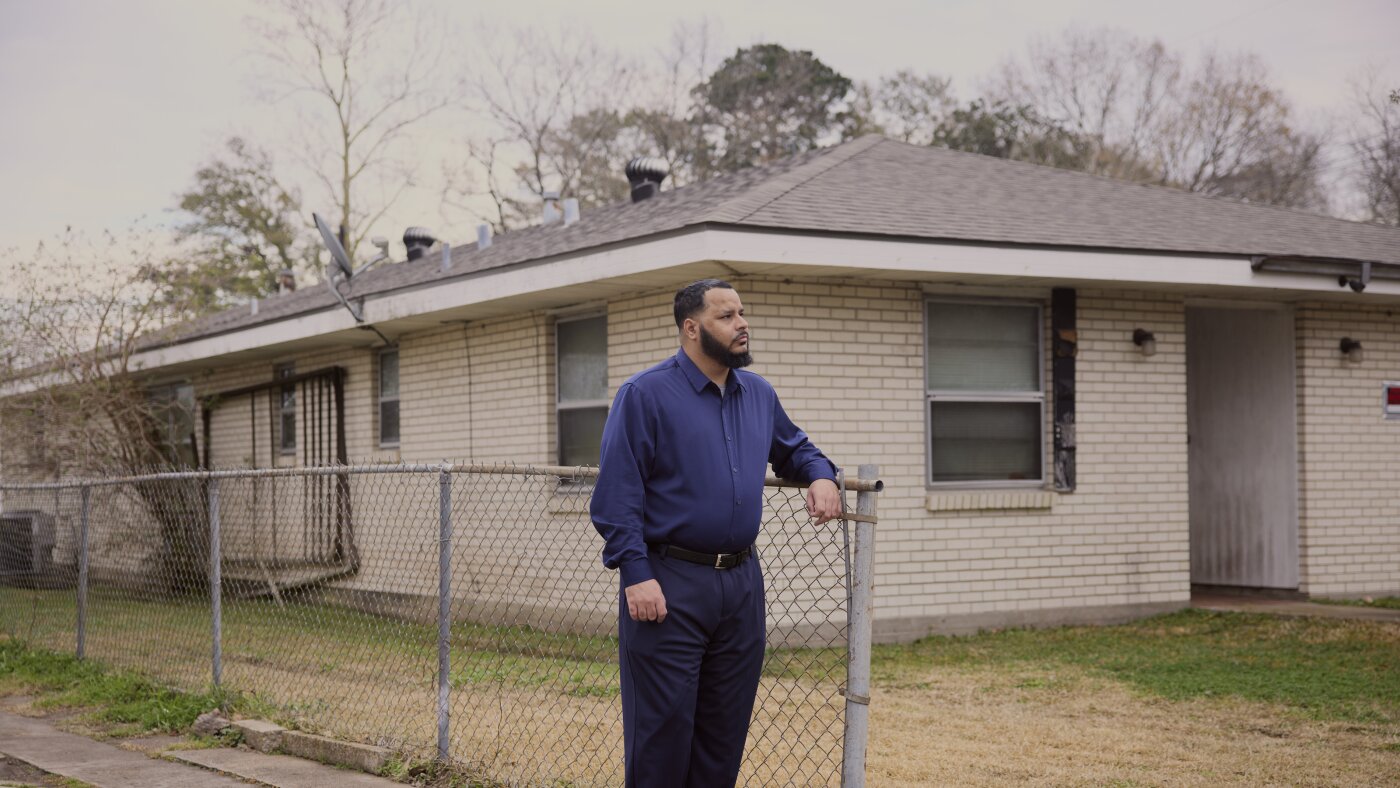
The article tells the story of Dustin Vidrine, a legally blind man from Lafayette, Louisiana, who suffers from retinitis pigmentosa, a rare inherited eye disease. Gene therapy offers hope for conditions like his, but access is limited and expensive. Vidrine is unable to receive the appropriate treatment in Louisiana and must seek care in Texas. However, insurance hurdles and financial barriers prevent him from accessing specialized care out of state. The article highlights how access to advanced gene therapies depends heavily on one's location, as many states lack adequate facilities and Medicaid programs do not always cover out-of-state care. The broader issue discussed is the unequal access to life-changing medical technologies due to economic, geographic, and bureaucratic limitations.
Biblical Reflection
Viewed through a biblical lens, the disparities in access to life-changing medical care highlight issues of justice, compassion, and the inherent dignity of every person. Scripture repeatedly calls for the fair treatment of the marginalized and the sick (Isaiah 1:17, James 1:27). The systemic barriers described in this article reveal a misalignment with the biblical principles of justice and care for the vulnerable. The high cost and geographic limitations of gene therapy create modern 'deserts' where hope is rationed by privilege, not need. Christ's ministry was marked by reaching those on the margins and bringing healing without partiality (Matthew 9:35). As Christians, we are called to advocate for systems that reflect God's justice and mercy, ensuring that no one is denied care due to where they live or what they can afford. The situation challenges us to examine our roles as individuals, communities, and as a society in working toward equity in health care and upholding the dignity of every person.
Scripture in context
This outlook does not yet include contextual Scripture citations. Do not treat a general biblical theme as an exegetical conclusion.
Faithful Response
No prescribed response is offered. Consider the reflection prompts below in your own church context.
Reflection and Discussion
- 1How can I advocate for justice and equitable access to health care in my community?
- 2In what ways am I called to show compassion to those facing barriers due to disability or financial hardship?
- 3What biases or assumptions do I hold about who 'deserves' access to advanced medical care?
Sources
Reporting links are evidence inputs; Sanctuary News' biblical reflection is commentary.
This outlook currently relies on fewer than two linked sources. Broaden verification before teaching from it.
- 1.Original reportprimary