News Summary
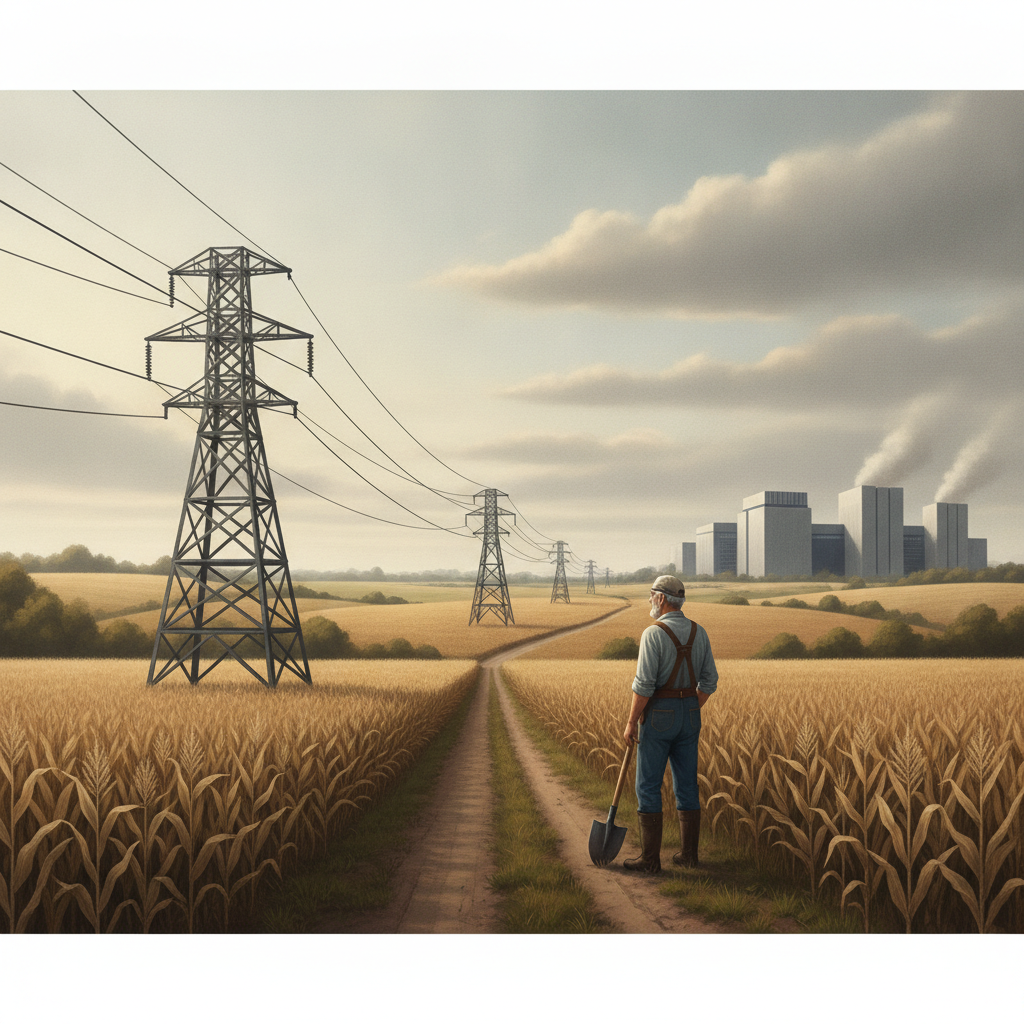
Reported facts: PBS NewsHour reports rising opposition to infrastructure associated with data centers and states that transmission lines needed to power them often cross private land. Attributed claims: the piece frames the issue as a growing public concern and raises the question of when power companies may take or use private land. Uncertainty: the supplied text does not provide detailed legal frameworks, specific cases, state-by-state differences, or perspectives from affected landowners, utilities, regulators, or courts.
Source and Framing Analysis
Source role: PBS NewsHour is acting as a public-interest news outlet highlighting a civic conflict. Missing voices: the supplied excerpt lacks quotes or perspectives from landowners, utility companies, state regulators, local officials, or legal experts. Possible incentives/framing: the headline poses a legal question that attracts attention; the piece may be aiming to foreground property-owner concerns about infrastructure expansion. What requires independent verification: how often transmission lines cross private land in practice for data center connections, the legal mechanisms utilities use (negotiated easements vs. eminent domain), variation in state law, specific disputed cases, and compensation outcomes.
Biblical Reflection
The article highlights a real tension between modern infrastructure needs and private property rights. Seen through a Christian lens, the issue invites careful weighing of competing goods: the public benefits of reliable power and economic activity, the integrity of private ownership, and the dignity and voice of affected neighbors. Christians should seek truth about the legal facts, listen empathetically to landowners, and advocate for processes that are just and transparent. Beware of framings that reduce the matter to simple developer gain or absolute property rights without attention to local law, environmental impact, and the human costs.
Scripture in context
- 1Leviticus 25:23 — In the Jubilee and land laws, ancient Israel is reminded that the land ultimately belongs to God and that ownership arrangements are to be managed with periodic restoration and attention to the common welfare. — This passage underscores stewardship over absolute ownership; when modern projects require use of private land, Christians should press for arrangements that recognize stewardship, ensure fair recompense, and protect the vulnerable in the community.
Faithful Response
Pray for discernment and for all parties involved — landowners, local officials, and utilities.
Seek reliable legal information: encourage affected neighbors to consult state statutes and independent legal counsel about property rights and eminent domain.
Listen and advocate: churches can host neutral forums where landowners, utility representatives, and regulators can speak and community members can ask questions.
Reflection and Discussion
- 1Which stakeholders are not heard in this report, and how would their inclusion change the framing?
- 2What legal or regulatory information would you need to judge whether a power company’s action is lawful and just?
- 3Is the article presenting the conflict primarily as a property-rights issue, an environmental concern, an economic development story, or some combination — and what assumptions drive that framing?
Sources
Reporting links are evidence inputs; Sanctuary News' biblical reflection is commentary.
This outlook currently relies on fewer than two linked sources. Broaden verification before teaching from it.
- 1.When can a power company take your land for data center infrastructure?primary_reporting