News Summary
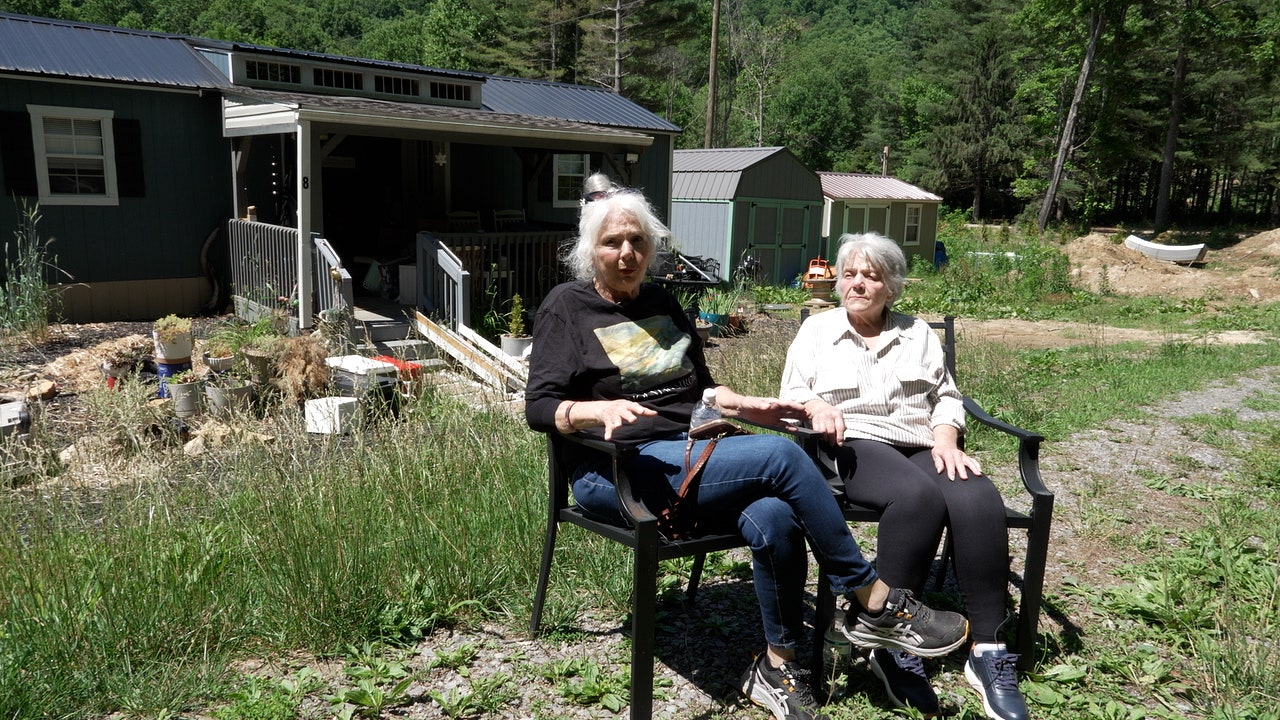
Nearly two years after Hurricane Helene struck inland western North Carolina on Sept. 27, 2024, mountain communities around Asheville continue to recover. The storm reportedly killed over one hundred people and destroyed thousands of homes and businesses. Two sisters from Fairview describe having their home demolished by flood-borne debris, being rescued two days later, and living in a succession of temporary accommodations including FEMA housing, campers, and uninsulated sheds. Local nonprofit Divine Disaster Relief is helping residents with short-term housing and fundraising for rebuilding. County officials say the disaster revealed vulnerabilities and approved funding on June 2 to convert an old JCPenney building in the Asheville Mall into Buncombe County’s first standalone emergency operations center to integrate emergency management, 911, and public safety communications; the facility is not expected to open for a couple of years. Officials emphasized the need for seamless coordination among local, state, and federal partners and long-term recovery work for many residents who remain displaced.
Biblical Reflection
The article centers human suffering and local recovery efforts, reminding Christians that disasters reveal both vulnerability and opportunity for neighborly care. Its reporting is largely human-interest and operational—documenting trauma, ongoing displacement, volunteer relief, and a concrete local policy response—rather than pushing a partisan narrative. Readers should note the strong emotional framing (personal trauma, haunting sounds of rain) that rightly communicates pain but can obscure systemic questions about long-term housing, mental-health care, and resilience planning. From a Christian perspective this piece calls us to compassion, sustained aid (not just short-term rescue), and advocacy for wise stewardship of public resources to protect the vulnerable. It also invites careful humility: while immediate charity is crucial, faithful love also presses us to support infrastructure, preparedness, and policies that reduce future harm.
Scripture in context
This outlook does not yet include contextual Scripture citations. Do not treat a general biblical theme as an exegetical conclusion.
Faithful Response
No prescribed response is offered. Consider the reflection prompts below in your own church context.
Reflection and Discussion
- 1Are we responding with sustained support and advocacy for long-term recovery, or mostly with short-term relief that leaves families still vulnerable years later?
- 2How does the emotional focus on individual trauma shape our attention to systemic needs like housing, mental health, and emergency infrastructure?
- 3In what concrete ways can churches and faith communities partner with local emergency planners to offer both immediate care and long-term resilience?
Sources
Reporting links are evidence inputs; Sanctuary News' biblical reflection is commentary.
This outlook currently relies on fewer than two linked sources. Broaden verification before teaching from it.
- 1.Original reportprimary