News Summary
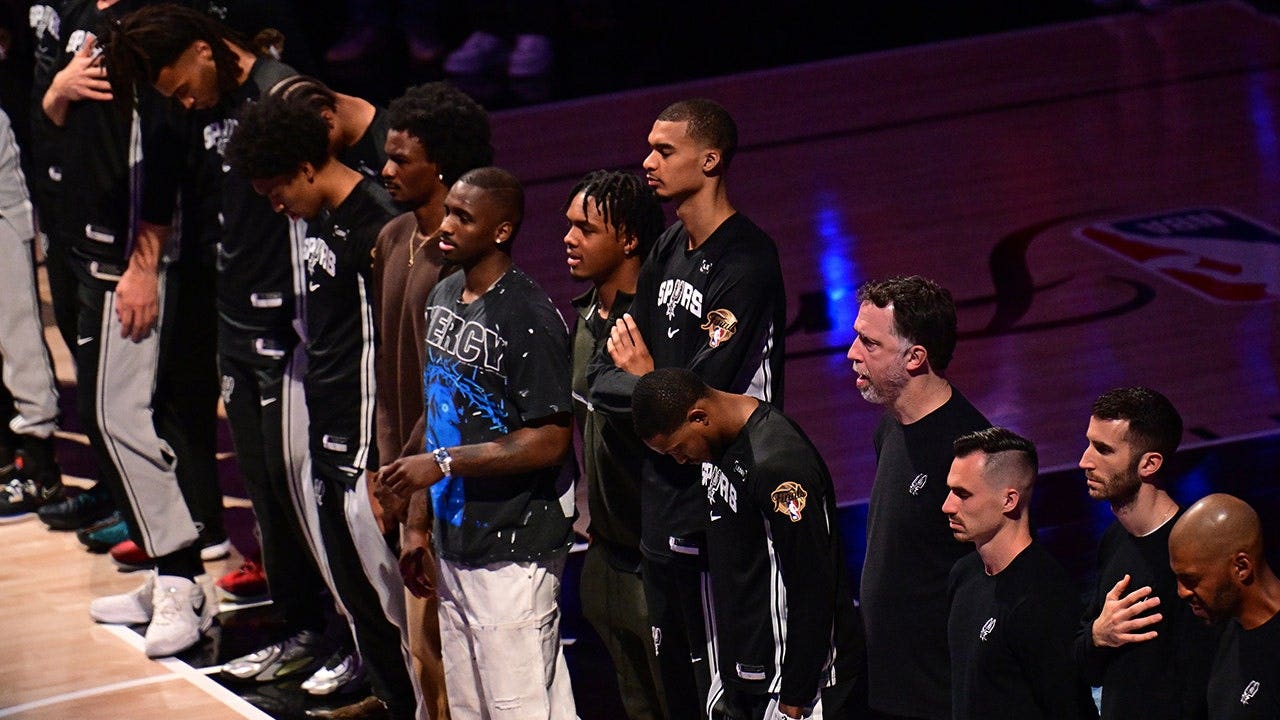
Victor Wembanyama, 22, and the San Antonio Spurs trailed the New York Knicks 3-1 in the 2026 NBA Finals after four games. The article cites game-by-game struggles: poor shooting percentages (including a 6-for-21 in Game 1 and 36% in Game 4), turnovers, missed late free throws, and perceived passivity in key moments. Commentators quoted include ESPN's Tim MacMahon, who criticized Wembanyama's late-game performance, and columnists Jason Whitlock and Clay Travis, who offered strong opinions about his maturity and the league's messaging. The piece notes Wembanyama’s on-court behavior (trash talk and physical fouls), his earlier public criticism of U.S. Immigration and Customs Enforcement in January, and moments during the Finals when he stood with arms crossed during the national anthem; neither the player nor his team provided a public explanation when asked. The article frames these actions as potentially undermining the NBA’s recent efforts to reduce political messaging and broaden appeal, mentioning Commissioner Adam Silver's public hosting of former President Donald Trump at Game 3. The author concludes Wembanyama shows promise but is not yet ready to be the league’s leading public figure.
Biblical Reflection
This article mixes verifiable game details with opinionated cultural and political interpretation. The factual claims about performance (shots, turnovers, missed free throws) are concrete and relevant to assessing a player's readiness; the leap from those facts to moral judgments about character and national leadership is more speculative. The piece adopts a worldview that prioritizes commercial broad appeal and views political expression by athletes as a liability. That perspective can be legitimate to discuss, but it risks dismissing the conscience or context behind an athlete’s statements and presents selective criticism without showing whether journalists asked the athlete for his intent. From a Christian pastoral angle, we should resist both quick hero-worship and hasty condemnation. Truth requires careful distinction between on-court performance (which can be assessed objectively) and motives or moral failure (which often require conversation, context, and charity). Mercy calls us to allow growth—Wembanyama is young and still developing under intense pressure. Humility and courage are both relevant: sports leaders should be held accountable for conduct that harms others or undermines justice, but Christians should model fair reporting, avoid weaponizing cultural anxieties, and remember our call to love the neighbor even when assessing public figures. Finally, consider whether the article’s framing intensifies division (us vs. them, “woke” vs. “return to normal”) more than it advances understanding about performance, character formation, or justice.
Scripture in context
This outlook does not yet include contextual Scripture citations. Do not treat a general biblical theme as an exegetical conclusion.
Faithful Response
No prescribed response is offered. Consider the reflection prompts below in your own church context.
Reflection and Discussion
- 1Is the piece separating observable facts about performance from opinion about character and motives, or are the two being conflated to support a broader cultural argument?
- 2Whose interests are prioritized by labeling athlete activism as a commercial problem—fans, owners, advertisers, or civic conscience—and how does that shape our judgment?
- 3Are we offering grace and a chance to explain when public figures take controversial stances, or do we accept and amplify narratives that prematurely crown or crush them?
Sources
Reporting links are evidence inputs; Sanctuary News' biblical reflection is commentary.
This outlook currently relies on fewer than two linked sources. Broaden verification before teaching from it.
- 1.Original reportprimary