News Summary
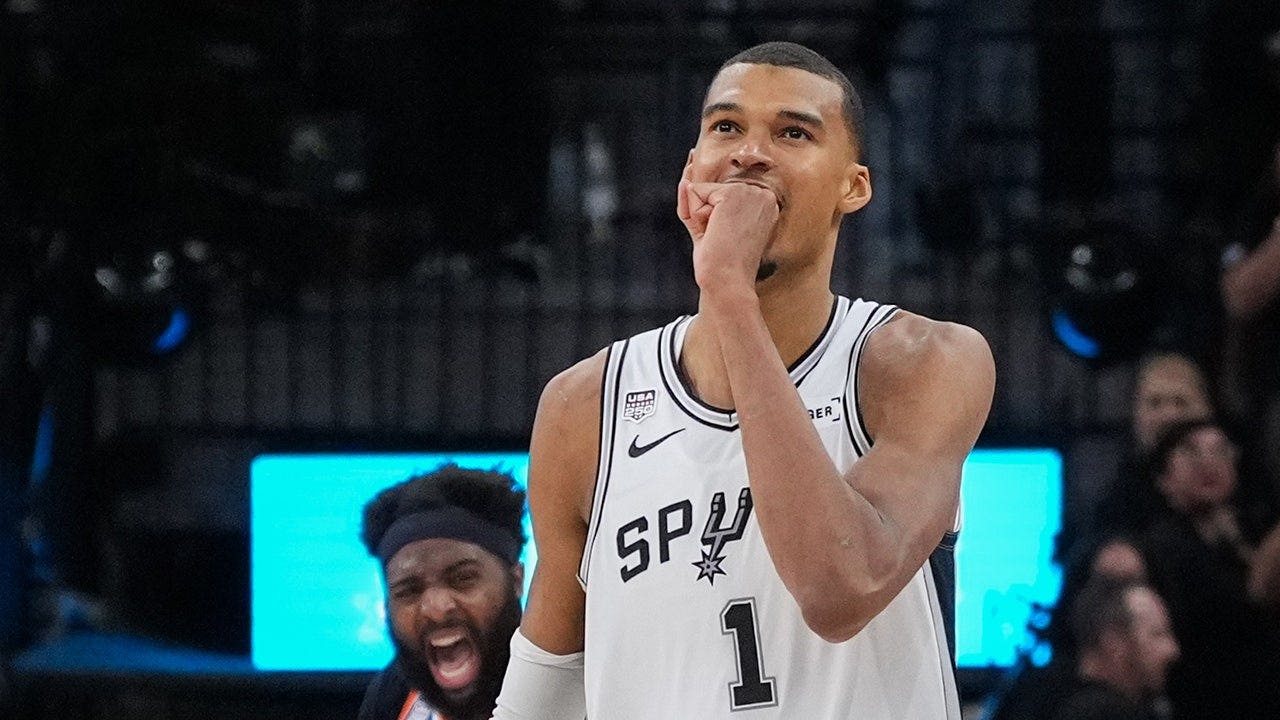
In Game 2 of the 2026 NBA Finals at Frost Bank Center in San Antonio, the New York Knicks defeated the San Antonio Spurs 105-104. The Spurs erased a 14-point fourth-quarter deficit and briefly took the lead after Victor Wembanyama completed a three-point play with under a minute remaining. With the score tied and about 14 seconds left, Jalen Brunson’s 16-foot jumper rimmed out; Wembanyama secured the rebound and attempted a pass to teammate Stephon Castle, but the pass unintentionally bounced off Castle’s back. Brunson recovered the ball and Wembanyama committed a foul, sending Brunson to the free-throw line; Brunson made one of two free throws to give New York a one-point lead. Wembanyama then missed a final potential game-winning jumper. Wembanyama publicly took responsibility for the late error, saying he needed more poise and control and that he would use the mistake as motivation. The loss made the Spurs the third team in NBA history to drop each of the first two Finals games at home; the 1993 Phoenix Suns and 1995 Orlando Magic previously lost the first two home games and did not win the title. Game 3 is scheduled at Madison Square Garden, and secondary-market ticket prices were reported as exceptionally high.
Biblical Reflection
This report is a straightforward sports recap with player quotes; its factual claims align with the play-by-play and postgame comments. The article emphasizes individual responsibility and a dramatic turning point, reflecting a broader cultural appetite for hero-and-failure narratives in competitive sports. From a Christian perspective, Wembanyama’s quick admission of fault models humility and accountability — virtues the gospel commends. At the same time, public sports narratives can encourage excessive idolization of athletes and a 'win-at-all-costs' mindset. Christians should celebrate honest leadership and learning from failure while resisting the impulse to define people by one moment. Fans and media would do well to balance honest critique with mercy, remembering that athletes are public figures under intense pressure and that true character is shown over time, not in a single play.
Scripture in context
This outlook does not yet include contextual Scripture citations. Do not treat a general biblical theme as an exegetical conclusion.
Faithful Response
No prescribed response is offered. Consider the reflection prompts below in your own church context.
Reflection and Discussion
- 1Are we making athletes into idols whose value rises and falls with a single play, or are we able to hold them with both accountability and compassion?
- 2How does media focus on dramatic turning points shape our view of success, and what virtues are left out of that framing?
- 3When a public figure admits fault, do we respond with constructive correction and grace, or with shaming that prevents growth?
Sources
Reporting links are evidence inputs; Sanctuary News' biblical reflection is commentary.
This outlook currently relies on fewer than two linked sources. Broaden verification before teaching from it.
- 1.Original reportprimary