News Summary
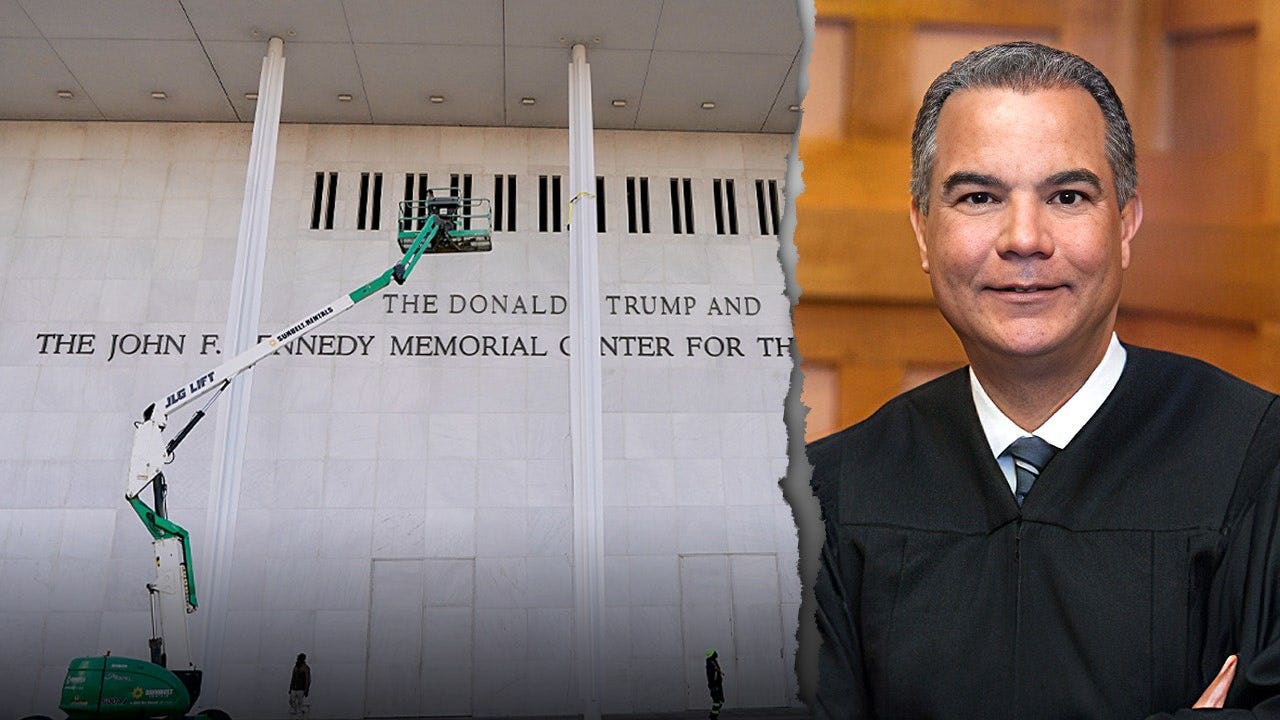
A conservative watchdog, the Center to Advance Security in America (CASA), filed a judicial misconduct complaint with the U.S. Court of Appeals for the D.C. Circuit alleging U.S. District Judge Christopher Cooper should have disclosed conflicts or recused himself from a lawsuit that blocked an effort to rename the Kennedy Center. CASA argues Cooper’s wife, Amy Jeffress, represents clients and causes described by CASA as opposing President Trump — including past work for Lisa Page and ongoing representation of President Biden — and that those ties create the appearance of partiality. The complaint cites federal judicial Canons 1–3 (integrity, avoidance of impropriety, and impartiality) and asks the D.C. Circuit to investigate and consider discipline. Cooper permanently blocked the Kennedy Center renaming in May after Rep. Joyce Beatty filed suit. The complaint was publicized with statements from CASA and its director Curtis Schube; the article notes Trump publicly criticized Cooper’s impartiality. The filing does not directly challenge the merits of Cooper’s ruling but focuses on disclosure and recusal. Cooper was appointed to the federal bench in 2014; he has previously faced scrutiny over similar recusal questions tied to his wife’s legal work. Fox News Digital sought comment from Cooper and Jeffress.
Biblical Reflection
From a Christian perspective, the situation raises legitimate concerns about accountability, impartiality, and public trust in institutions — all of which matter for a healthy civic order. The complaint, if grounded in fact, is an appropriate use of institutional processes to test whether ethics rules were followed; transparency and checks on power reflect stewardship of public trust. At the same time, the episode is clearly embedded in partisan conflict: the reporting highlights statements from a partisan watchdog and from political actors, and offers limited response from the judge or his spouse. Christians should be wary of quick, partisan judgments or weaponizing ethics processes for political gain. Truth-seeking requires careful attention to facts (what was disclosed, what financial interests actually exist, and the D.C. Circuit’s findings), patient use of established procedures, and refusal to conflate suspicion with proven wrongdoing. Pastoral virtues — humility in judgment, mercy toward those accused until due process runs its course, courage to call for accountability when warranted, and a love for neighbor that resists piling on — should shape our response. Pray for a fair, transparent review rather than celebration or condemnation driven by political affiliation.
Scripture in context
This outlook does not yet include contextual Scripture citations. Do not treat a general biblical theme as an exegetical conclusion.
Faithful Response
No prescribed response is offered. Consider the reflection prompts below in your own church context.
Reflection and Discussion
- 1Does the complaint focus on verifiable conflicts and procedural failures, or does it mainly leverage family ties to create political pressure?
- 2How does the media framing and the sources quoted shape our perception of impartiality before a formal review occurs?
- 3Are we supporting institutional processes that allow fair investigation, or are we adopting quick judgments that deepen mistrust and division?
Sources
Reporting links are evidence inputs; Sanctuary News' biblical reflection is commentary.
This outlook currently relies on fewer than two linked sources. Broaden verification before teaching from it.
- 1.Original reportprimary