News Summary
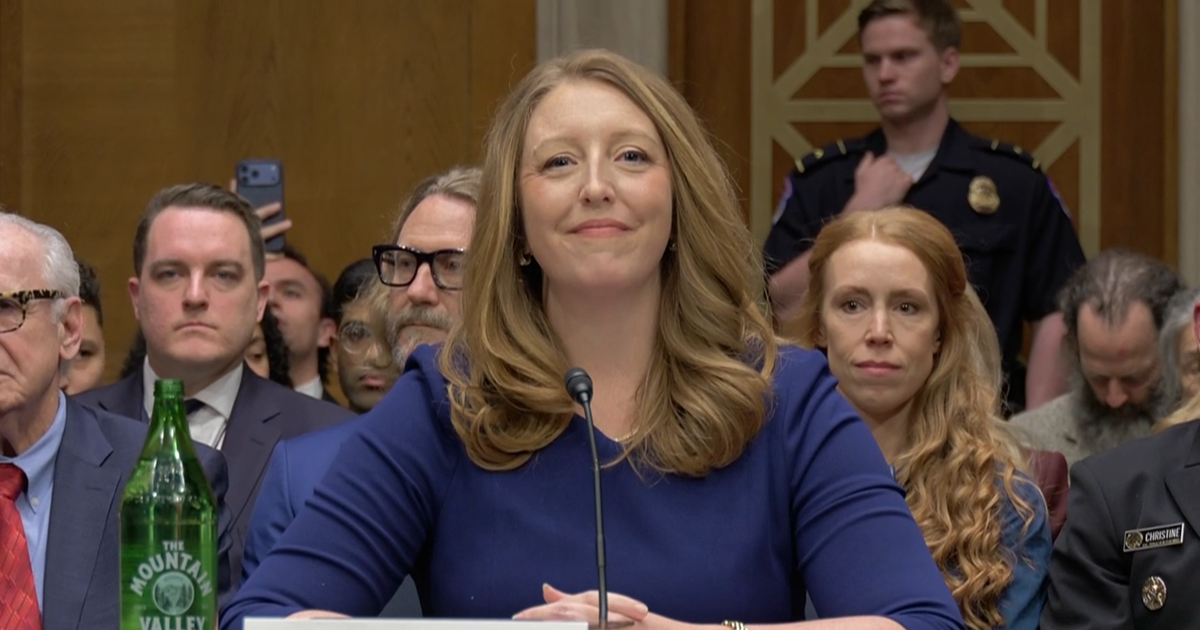
The article covers the Senate confirmation hearing of Casey Means, nominee for U.S. Surgeon General. The hearing focused heavily on vaccine policy, particularly the alleged link between vaccines and autism. Senator Bernie Sanders pressed Means for clear answers on whether vaccines cause autism, highlighting the scientific consensus that they do not, while Means acknowledged the overwhelming evidence but emphasized the importance of continual scientific inquiry. Means stated her support for vaccines but stopped short of directly encouraging mothers to vaccinate their children, instead advocating for patient-doctor conversations. Means also addressed the chronic disease epidemic in the U.S., attributing it to factors like poor nutrition, chemical exposure, and overmedicalization, and criticized conflicts of interest in health agencies. She is known for her advocacy of health and wellness, co-founding a health tech company, and writing on metabolic health. Means' medical license is currently inactive, and she has not completed a surgical residency. The hearing also touched on her personal experience as a mother and her credentials.
Biblical Reflection
From a scriptural perspective, the hearing highlights several virtues and challenges. The pursuit of truth and wisdom is a biblical value (Proverbs 4:7), and Means' call for ongoing scientific curiosity aligns with the idea that knowledge is a gift from God. However, the hesitancy to give direct answers on life-saving public health measures like vaccination can be evaluated through the lens of loving one's neighbor (Mark 12:31). Christians are called to act in ways that protect and serve the vulnerable, especially children and the sick. Encouraging evidence-based healthcare and not giving a foothold to conspiracy theories honors truth and protects community health. At the same time, Means' emphasis on addressing root causes of poor health and advocating for patient autonomy reflects a biblical concern for holistic care and stewardship of the body (1 Corinthians 6:19-20). Yet, her critique of medical institutions must also be balanced with humility, discernment, and a commitment to truth. Christians should be wary of sowing unnecessary doubt about proven health practices, as this could endanger lives, but should also advocate for reform where genuine injustices or harm exist. Ultimately, this story invites believers to seek wisdom, speak truth in love, and prioritize the well-being of others above personal or political agendas.
Scripture in context
This outlook does not yet include contextual Scripture citations. Do not treat a general biblical theme as an exegetical conclusion.
Faithful Response
No prescribed response is offered. Consider the reflection prompts below in your own church context.
Reflection and Discussion
- 1How do my words and actions regarding public health reflect Christ's command to love my neighbor?
- 2Do I seek truth and wisdom with humility, especially on complex or controversial issues?
- 3Am I balancing healthy skepticism with a commitment to protect and serve the vulnerable in my community?
Sources
Reporting links are evidence inputs; Sanctuary News' biblical reflection is commentary.
This outlook currently relies on fewer than two linked sources. Broaden verification before teaching from it.
- 1.Original reportprimary