News Summary
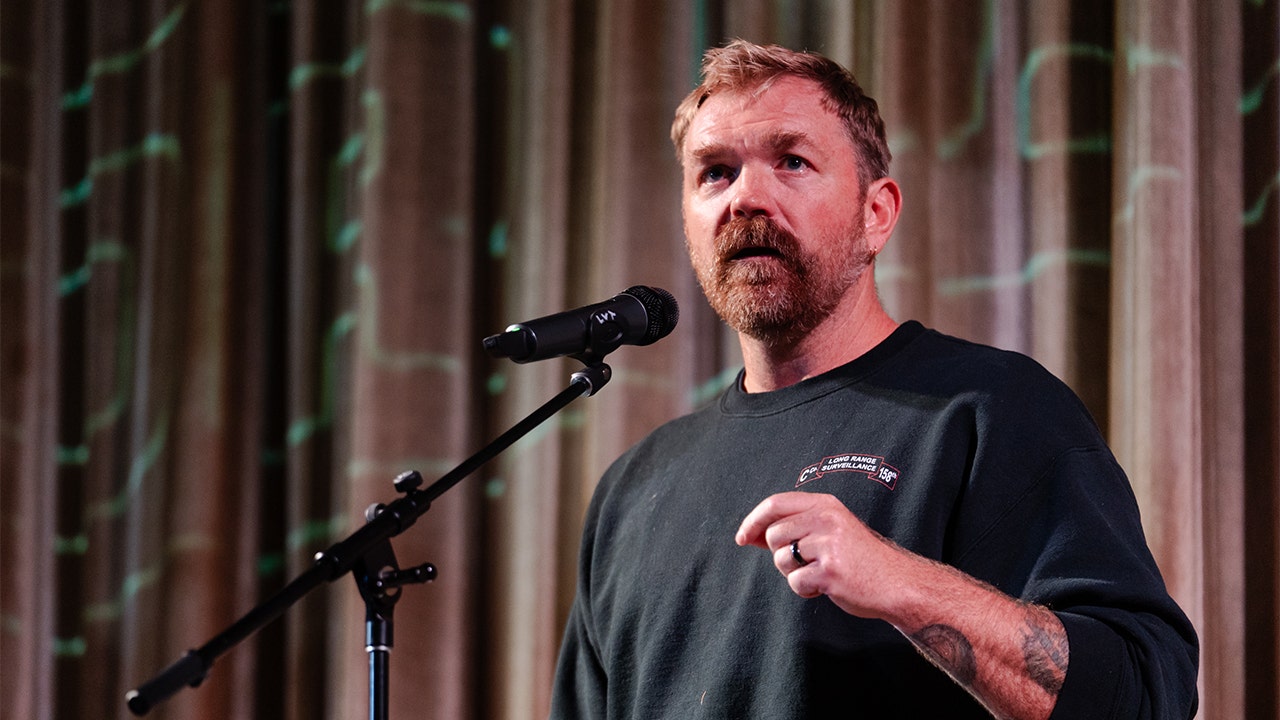
The Washington Post editorial board published an opinion piece criticizing Democratic Maine Senate candidate Graham Platner, calling his policy proposals "fantastical" and arguing they deserve scrutiny alongside revelations about a covered-up Nazi tattoo. The editorial focuses on Platner’s "Take Back American Power" plan, which includes a four-year freeze on electricity rates, a windfall tax on large oil company profits, ending federal gas tax collection to lower consumer costs, invoking the Defense Production Act to accelerate clean-energy manufacturing, and a federally backed loan program to finance energy projects. The Post argued that rate freezes and price ceilings could discourage production and lead to shortages, and that federal financing could expose taxpayers to risky projects. The editorial contrasted Platner’s approach with Texas’ more deregulated, all-of-the-above energy policies and concluded his proposals are unlikely to become law and could aggravate economic problems. The Fox News story cites Sen. Susan Collins saying Maine voters will likely view Platner as too far left and notes criticism from some Democrats, including John Fetterman, while stating the Platner campaign did not immediately respond to requests for comment.
Biblical Reflection
This article is reporting on an editorial—an opinion piece—which blends policy critique with strong moral language and character references. As Christians seeking truth, first note the genre: an editorial aims to persuade and will emphasize perceived risks and failures; it is not neutral reporting. The Washington Post editorial frames Platner’s proposals primarily through an economic lens (market incentives, regulation, and production) and warns of unintended consequences like shortages and taxpayer risk. The Fox News piece amplifies that critique and pairs it with partisan voices and charges about Platner’s past statements and a tattoo revelation, which shifts focus from policy details to character and ideology.
Scripturally-informed discernment calls us to evaluate both policy substance and moral posture. Proverbs and other wisdom literature urge testing measures for their outcomes (wisdom, provision, justice) and warn against false scales (dishonest framing). At the same time, prophetic and New Testament teaching ask public leaders and communities to care for the vulnerable and steward creation. Policies that aim to lower costs for struggling households reflect a legitimate concern for neighborly compassion; critiques that emphasize economic incentives and long-term viability reflect a legitimate concern for prudence and stewardship.
Look past partisan tone: ask whether the article fairly represents the proposal’s mechanisms, trade-offs, and evidence. Is the editorial relying on economic theory about price controls as incontestable fact, or are there empirical examples and context for when interventions have succeeded or failed? Conversely, does the candidate’s plan acknowledge implementation risks and funding constraints? Also watch for ad hominem emphasis—linking policy critiques to character attacks or ideological labels can short-circuit sober evaluation and Christian charity.
Practically, Christians should neither reflexively accept technocratic critiques nor uncritically embrace policies marketed as compassionate; instead, evaluate proposals by (1) likely effects on the poor and created order, (2) accountability and transparency in implementation, and (3) whether the policy preserves human dignity and prudent stewardship. In public discourse, aim to prize truth, fair argument, and charitable assessment of opponents rather than demonization.
Scripture in context
This outlook does not yet include contextual Scripture citations. Do not treat a general biblical theme as an exegetical conclusion.
Faithful Response
No prescribed response is offered. Consider the reflection prompts below in your own church context.
Reflection and Discussion
- 1What assumptions about the roles of government, markets, and private enterprise shape the editorial’s critique, and how do those assumptions influence which costs or risks it highlights?
- 2Where does the article shift from policy analysis to character judgment, and how should that affect how I weigh its conclusions?
- 3Which moral priorities (justice, mercy, stewardship, liberty) are at stake in Platner’s proposals, and how should Christians weigh those competing goods?
Sources
Reporting links are evidence inputs; Sanctuary News' biblical reflection is commentary.
This outlook currently relies on fewer than two linked sources. Broaden verification before teaching from it.
- 1.Original reportprimary