News Summary
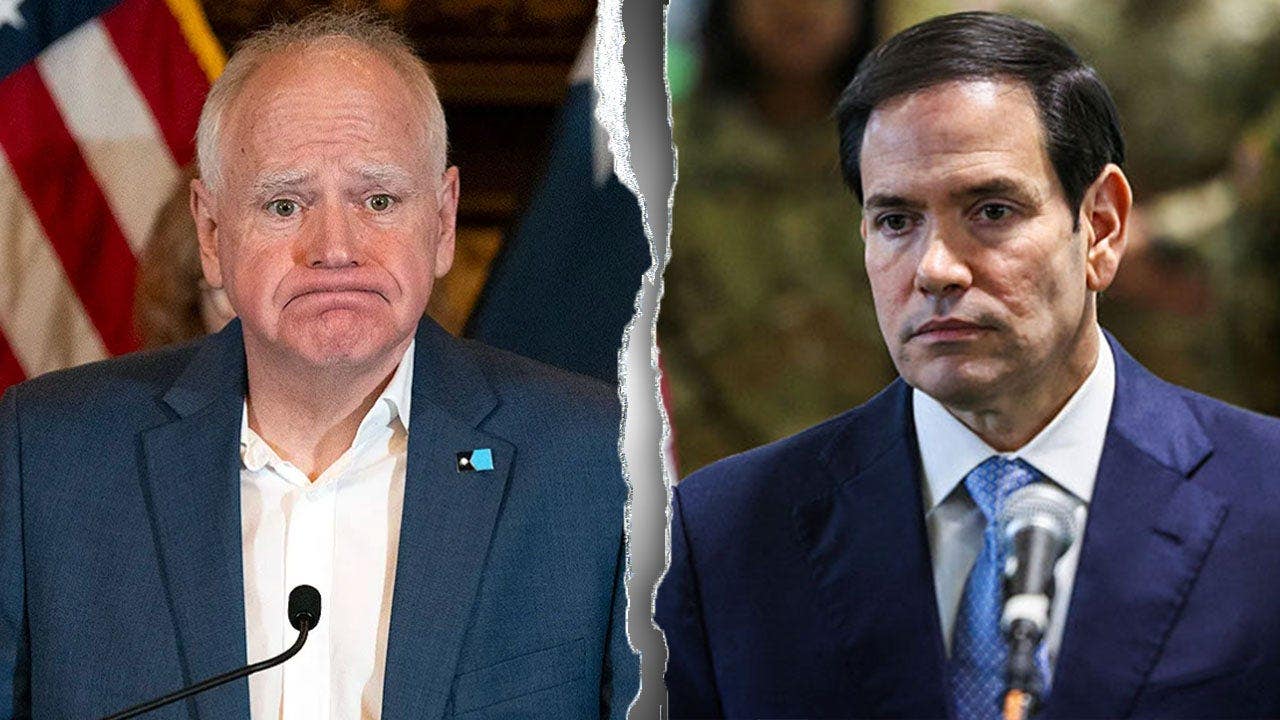
The Minnesota Board of Pardons — Governor Tim Walz, Attorney General Keith Ellison, and Chief Justice Natalie Hudson — granted clemency on June 10 to Tou Lue Vang, a Laotian national convicted of repeatedly raping a 10-year-old between 2002 and 2004. Vang had been scheduled for deportation. Walz defended the pardon in a press conference, saying deportation did not necessarily make Americans safer and acknowledging the crimes as horrific. The State Department, represented by Assistant Secretary Dylan Johnson, criticized Walz’s decision and language, saying the pardon endangered Americans; Senator Marco Rubio (President-elect Trump's nominee for Secretary of State) revoked Vang’s visa and arranged for his deportation to Laos. The Department of Homeland Security previously warned that the pardon could shield Vang from removal. Fox News commentators and the article included critical commentary about Democrats’ handling of immigration and victims’ rights.
Biblical Reflection
This story raises real tensions between public safety, justice for victims, and the civic exercise of mercy. The factual core — a convicted child rapist received clemency, and federal officials then revoked legal status and deported him — is verifiable and serious. The article’s tone and some word choices are politically charged: it frames the governor as siding with foreign criminals and emphasizes partisan conflict between state and federal actors. Christians should resist simple binaries that either sentimentalize offenders or strip all possibility of rehabilitation and mercy. At the same time, protecting children and honoring victims’ need for safety and justice is a moral imperative. Public leaders must weigh compassion with accountability, ensure decisions are transparent and legally sound, and center the welfare of the vulnerable rather than political advantage. Also be attentive to language that dehumanizes migrants; faithful discernment calls for both truthful reporting of crimes and careful restraint from rhetoric that reduces people to single worst acts.
Scripture in context
This outlook does not yet include contextual Scripture citations. Do not treat a general biblical theme as an exegetical conclusion.
Faithful Response
No prescribed response is offered. Consider the reflection prompts below in your own church context.
Reflection and Discussion
- 1Is the public reaction focused more on protecting community safety and victims, or on scoring political points — and how does that shape the story we accept?
- 2How does the way officials and media label people (e.g., 'illegal alien' vs. 'noncitizen') affect our ability to respond with both justice and compassion?
- 3Are systems and leaders accountable and transparent in decisions about clemency and deportation, and who bears the burden when those systems conflict?
Sources
Reporting links are evidence inputs; Sanctuary News' biblical reflection is commentary.
This outlook currently relies on fewer than two linked sources. Broaden verification before teaching from it.
- 1.Original reportprimary