News Summary
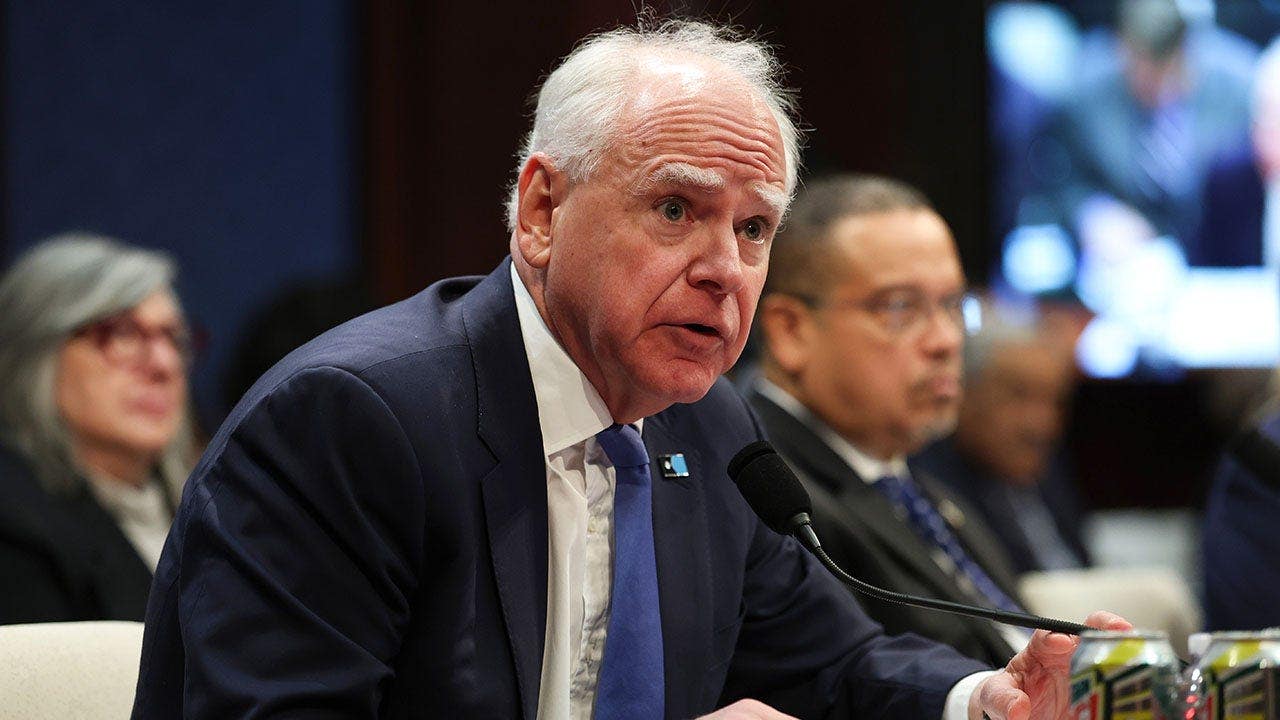
The U.S. Supreme Court issued two rulings (West Virginia v. B.P.J. and Little v. Hecox) upholding Idaho and West Virginia laws that require student-athletes to compete on teams corresponding to their biological sex at birth rather than gender identity, by a 6–3 vote. Fox News reported the rulings and noted commentary from legal analysts that the Court’s decisions leave such policy choices to individual states because transgender status is not treated as a protected class in the same way as race or religion. Minnesota Governor Tim Walz called the rulings “cruel” in a post on X, saying Minnesota would continue to treat transgender youth with dignity and allow state-level protections; his comment prompted substantial criticism on social media from Minnesota conservatives and Republican officials who argued the rulings protect girls’ safety and opportunities. Walz later clarified that Minnesota’s policies toward transgender athletes would not change. The article quotes several critics and notes that more than half of states may now enforce laws protecting women’s sports, while 23 states lack such laws or protect transgender athletes.
Biblical Reflection
This story sits at the intersection of law, public policy, and deep pastoral concerns about identity, fairness, and the care of children. The reporting highlights a political clash: some view the Court’s decision as restoring competitive fairness and physical safety in girls’ sports, while others see it as a legal allowance for policies that marginalize transgender youth. The article leans into partisan conflict by foregrounding sharp online backlash and inflammatory rhetoric; it quotes critics who use dehumanizing language and frames Walz as a political target, which may amplify outrage rather than invite careful conversation. From a Christian lens we must hold two biblical convictions together: the inherent dignity of every person made in God’s image, and the responsibility to protect the vulnerable, including girls seeking fair competition and safety. Media frames that elevate spectacle and personal attacks obscure nuanced questions about evidence, the lived reality of transgender children, athletic fairness, and the proper role of courts versus states. Christians should resist reducing neighbors to political labels, scrutinize sources and framing for bias or omission (for example, empirical data on safety and competitive balance is not explored here), and press public leaders toward policies that balance truth, justice, and compassion. Pastoral courage requires speaking for fairness where it’s needed while refusing to dehumanize others; public policy decisions should be pursued with careful study, humility about complex trade-offs, and care for real children and families on all sides.
Scripture in context
This outlook does not yet include contextual Scripture citations. Do not treat a general biblical theme as an exegetical conclusion.
Faithful Response
No prescribed response is offered. Consider the reflection prompts below in your own church context.
Reflection and Discussion
- 1Which assumptions about sex, gender, and fairness does the article take for granted, and which voices or data are missing from the discussion?
- 2How does partisan framing (online outrage, rhetorical labeling) shape our ability to treat opponents with neighbor-love while still arguing for policy priorities?
- 3When legal decisions create trade-offs, whose vulnerability are leaders prioritizing and how would you test those priorities against both evidence and compassion?
Sources
Reporting links are evidence inputs; Sanctuary News' biblical reflection is commentary.
This outlook currently relies on fewer than two linked sources. Broaden verification before teaching from it.
- 1.Original reportprimary