News Summary
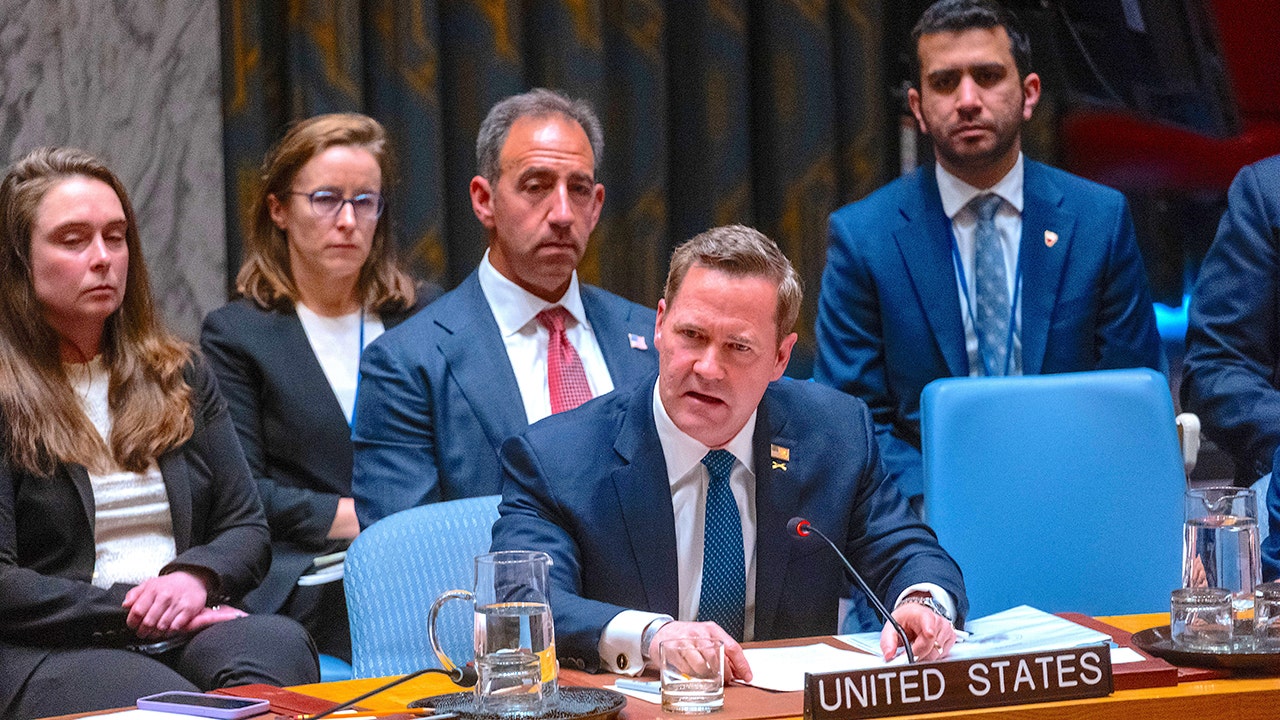
U.S. Ambassador to the United Nations Mike Waltz returned from a trip to the United Arab Emirates, Bahrain and the United Kingdom and told Fox News Digital that Gulf allies strongly support the Trump administration’s blockade and economic-pressure campaign against Iran. Waltz described close alignment with the UAE and Bahrain, saying allied leaders believe Iran is feeling economic pain from sanctions, military pressure and isolation; he cited falling currency value, depleted reserves, inflation and strains on paying security forces. Waltz said the UAE has both capability and willingness to endure short-term costs to block Iran’s path to a nuclear weapon, and that allied air defenses have shot down a high percentage of incoming Iranian missiles and drones. He referenced Treasury Secretary Scott Bessent’s “Operation Economic Fury” as part of the pressure campaign. An unnamed U.S. official told reporters the U.S. expects an Iran agreement could be signed within days and assessed its chances at about 85%. Waltz also said Iran launched another strike on Bahrain shortly after he left the region, that Iran deliberately targeted emergency systems at some facilities, and that U.S. and allied teams are working with maritime actors to keep shipping moving through the Strait of Hormuz. He noted the Abraham Accords and UK cooperation at the U.N. as factors in regional alignment.
Biblical Reflection
This article relays a U.S. official’s account of allied support for a sanctions-and-blockade strategy aimed at preventing Iran from acquiring a nuclear weapon. As a primary source the piece reflects official U.S. and Gulf perspectives; independent verification of some operational claims (for example detailed economic metrics or specific targeting intent) is not provided in the story. The narrative emphasizes unity and pressure, a worldview that prizes leverage and deterrence over accommodation. From a Christian pastoral lens, we should weigh the pursuit of security and justice against the human cost of broad economic pressure and military action: sanctions and blockades often harm civilians and can harden enmity, while military strikes risk escalation and civilian casualties. Truth requires skepticism about partisan talking points and anonymous assessments; mercy and neighbor-love call Christians to center the welfare of noncombatants and seek diplomatic avenues that reduce suffering. At the same time, protecting innocents from a potential nuclear-armed adversary can be a legitimate security concern—Christian discernment asks whether means are proportionate, targeted, and paired with sincere efforts at conflict resolution. Finally, the article’s framing—stressing allied unanimity and operational success—should prompt readers to seek diverse sources and humanitarian reporting to see the fuller moral picture.
Scripture in context
This outlook does not yet include contextual Scripture citations. Do not treat a general biblical theme as an exegetical conclusion.
Faithful Response
No prescribed response is offered. Consider the reflection prompts below in your own church context.
Reflection and Discussion
- 1Which voices are missing from this account—particularly ordinary civilians in Iran, the UAE, and Bahrain—and how would their perspectives change how we evaluate the policy?
- 2How much of the article reflects official talking points versus independently verified facts, and what evidence would you want to see to confirm the claims?
- 3Does presenting allied unity ('zero daylight') narrow the visible options for diplomacy and reconciliation, and what risks does that narrowing pose for long-term peace?
Sources
Reporting links are evidence inputs; Sanctuary News' biblical reflection is commentary.
This outlook currently relies on fewer than two linked sources. Broaden verification before teaching from it.
- 1.Original reportprimary