News Summary
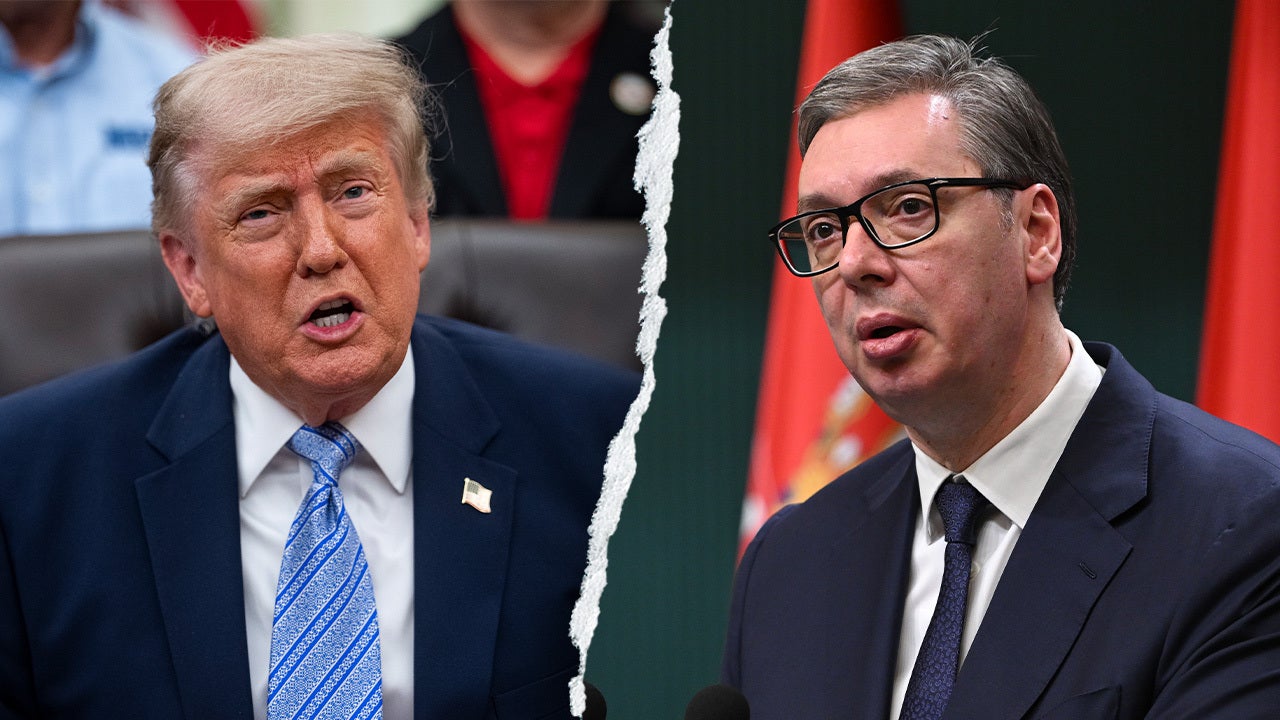
In an interview, Serbian President Aleksandar Vučić said Serbia's relationship with the United States has significantly improved under President Donald Trump, crediting a Trump-era focus on economic cooperation rather than political pressure. Vučić praised Trump’s Balkan engagement, said public perceptions in Serbia have shifted in favor of Trump compared with prior U.S. administrations, and extended an invitation for Trump to visit Belgrade. He described plans for a U.S.–Serbia strategic dialogue covering energy, infrastructure, artificial intelligence, defense cooperation, and investment, and cited potential projects such as LNG cooperation and data centers. Vučić reiterated Serbia’s refusal to recognize Kosovo’s independence and described Serbia’s ongoing balancing of ties with Russia and China while publicly affirming support for Israel and warning against rising antisemitism. He also cited Serbia’s economic growth since his time in office and referenced prior U.S.-brokered economic normalization agreements between Serbia and Kosovo in 2020.
Biblical Reflection
This article reports a foreign leader's favorable assessment of a U.S. president and highlights a government pursuing pragmatic economic ties while avoiding recognition of Kosovo. The piece largely presents Vučić’s perspective without deep interrogation: it repeats his claims of popular support, economic figures, and diplomatic intentions but does not probe domestic political context such as concerns about democratic backsliding, media freedom, or how different Serbian communities (including Kosovars) view these developments. The outlet’s selection and framing emphasize Trump’s positive role, which may reflect an editorial angle that privileges economic diplomacy and conservative alignment. From a Christian moral lens, economic cooperation and peaceable diplomacy are good aims, but pursuing prosperity should not silence or overshadow justice, truth-telling, or care for the vulnerable affected by past conflicts. Christians should note the difference between pragmatic diplomacy that seeks peace and prosperity and policies that may avoid confronting historical wrongs or current injustices. Discernment requires asking what voices are missing (e.g., Kosovo Albanians, civil-society critics), whether data cited are independently verifiable, and whether national pride or political advantage is shaping the rhetoric. We should pray for leaders to pursue both peace and justice, and for honest, courageous stewardship that protects the weak while seeking reconciliation.
Scripture in context
This outlook does not yet include contextual Scripture citations. Do not treat a general biblical theme as an exegetical conclusion.
Faithful Response
No prescribed response is offered. Consider the reflection prompts below in your own church context.
Reflection and Discussion
- 1Whose perspectives are absent from this account, and how might their absence shape the story’s conclusion about ‘improved’ relations?
- 2Does economic engagement alone heal wounds from past conflict, or are other forms of justice and reconciliation also necessary?
- 3When a foreign leader praises a specific political figure, how might domestic political positioning and international strategy be influencing that praise?
Sources
Reporting links are evidence inputs; Sanctuary News' biblical reflection is commentary.
This outlook currently relies on fewer than two linked sources. Broaden verification before teaching from it.
- 1.Original reportprimary