News Summary
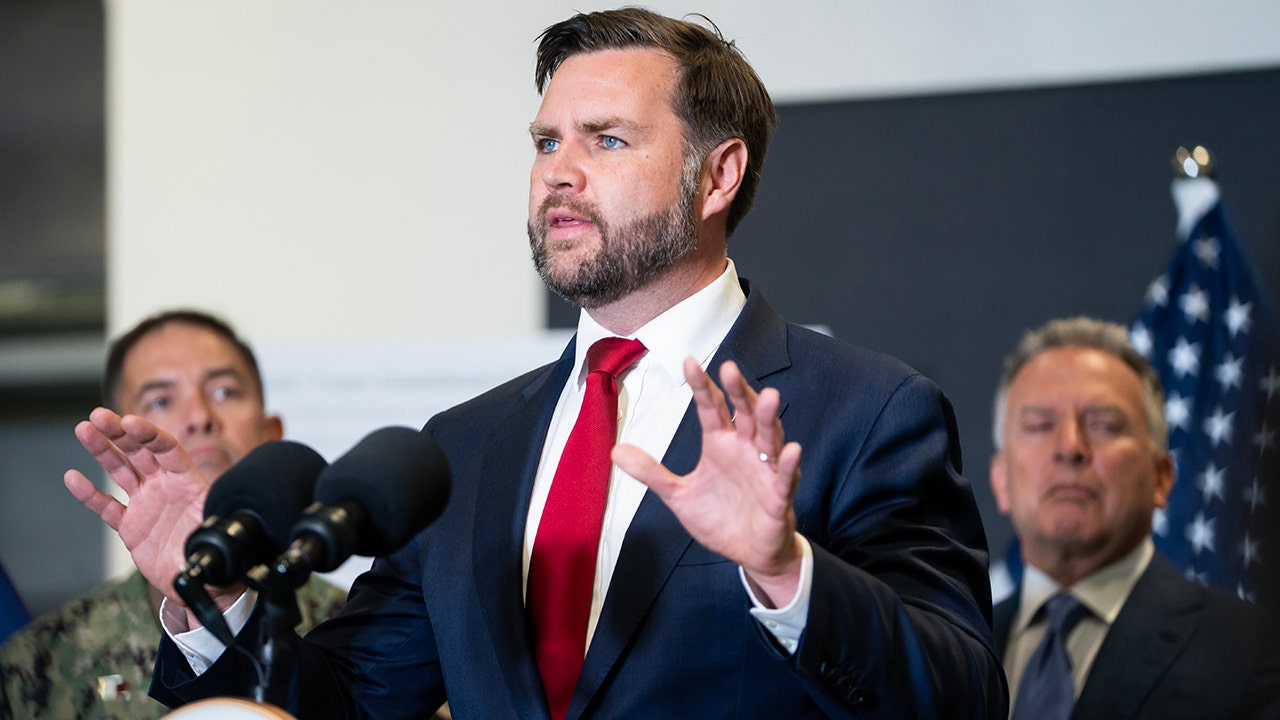
Vice President JD Vance, in an interview on "The Ingraham Angle," said the United States "has all the cards" in negotiations with Iran and argued the Trump administration has already accomplished its core objective of preventing Iran from acquiring a nuclear weapon. He described a successful agreement as one that permanently removes Iranian nuclear ambitions and stops support for regional proxies, enabling Iran's return to the global economy. He also said that if negotiations fail, U.S. actions have left Iran's nuclear and conventional military capabilities destroyed and the U.S. stronger relative to Iran. The comments came as U.S. envoys Steve Witkoff and Jared Kushner traveled to Qatar for talks in Doha; Qatari and White House statements noted talks were taking place but reported no scheduled direct meetings between U.S. and Iranian officials.
Biblical Reflection
The article reports political messaging from a senior U.S. official presenting a confident, outcome-focused view of diplomacy with Iran. From a Christian discernment standpoint, this narrative mixes legitimate security concerns (preventing nuclear proliferation) with assertive rhetoric designed to reassure domestic audiences and strengthen negotiating leverage. The claims that Iranian nuclear and conventional capabilities are "destroyed" if talks fail are presented as definitive even though the piece does not cite independent verification or specific policy actions to back that certainty. The piece reflects a worldview that prizes national security and strategic advantage; it risks downplaying the human, ethical, and long-term diplomatic costs of military or coercive approaches. Christians are called to seek truth and to weigh both the protection of the innocent and the pursuit of peace. That means appreciating the legitimate need to prevent weapons of mass destruction while remaining cautious about triumphalist language that can dehumanize opponents, close off genuine reconciliation, or obscure the suffering diplomacy aims to prevent. Faithful response calls for careful evaluation of facts, humility about outcomes, advocacy for just measures that limit harm, and support for peacemaking that protects neighbors both at home and abroad.
Scripture in context
This outlook does not yet include contextual Scripture citations. Do not treat a general biblical theme as an exegetical conclusion.
Faithful Response
No prescribed response is offered. Consider the reflection prompts below in your own church context.
Reflection and Discussion
- 1What assumptions about power and victory shape the administration's language, and how might those assumptions influence outcomes beyond immediate security goals?
- 2Which facts would you want independently verified before accepting claims that a rival's nuclear and conventional capabilities have been 'destroyed'?
- 3Does the rhetoric prioritize domestic reassurance over long-term peacebuilding, and how should Christians weigh those priorities?
Sources
Reporting links are evidence inputs; Sanctuary News' biblical reflection is commentary.
This outlook currently relies on fewer than two linked sources. Broaden verification before teaching from it.
- 1.Original reportprimary