News Summary
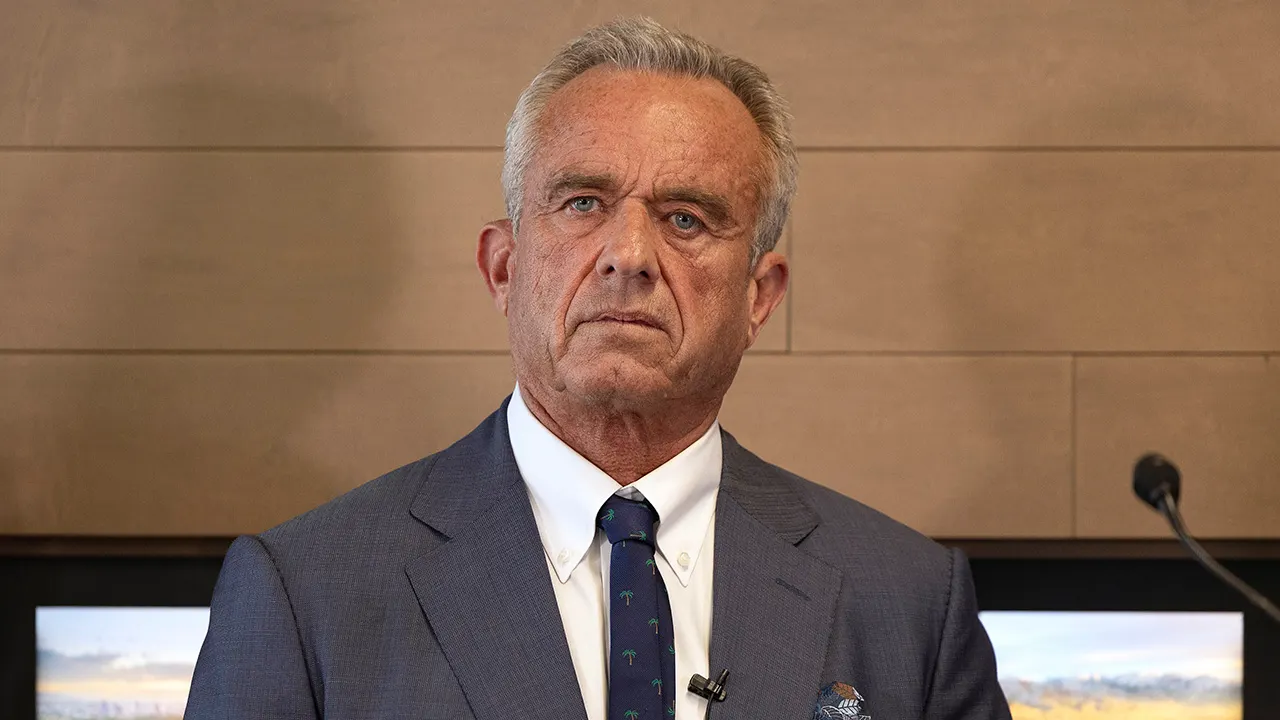
A Fox News–commissioned poll of 1,002 registered U.S. voters (June 12–15, 2026; margin of error ±3 points) finds that 58% of respondents prioritize protecting public health in the U.S. food supply while 42% prioritize lowering food prices (a 16-point margin). Large majorities rate various MAHA-related priorities as important: improving food safety (89%), lowering food costs (88%), expanding access to healthy foods (85%), limiting harmful additives (83%), and clearer food labeling (81%). Specific policy support includes requiring clearer labeling (91% favor) and banning additives restricted abroad (87% favor); 65% favor banning flavored nicotine products and 60% favor prohibiting social media use for children under 16. Eliminating vaccine requirements in public schools is supported by 36% overall (up 10 points since December), with notable partisan and demographic splits (e.g., 45% of Republicans vs. 25% of Democrats favor elimination; 53% of MAGA Republicans vs. 32% of non-MAGA Republicans). HHS Secretary Robert F. Kennedy Jr. receives a 45% approve / 54% disapprove job rating overall, with 88% approval among MAGA Republicans and higher approval among fathers and voters under 30. The pollors note that question wording, order, and sample weighting can influence results.
Biblical Reflection
The poll shows broad public concern for food safety, child health, and transparency — concerns that align with Christian commitments to care for the vulnerable and steward creation responsibly. At the same time, the data highlights how health issues can become partisan identity markers (e.g., MAGA vs. non‑MAGA splits on vaccines and strong approval variation for RFK Jr.), which risks shaping policy choices by political allegiance rather than by shared moral reasoning or best available evidence. Readers should note potential sources of bias: the survey was commissioned by a partisan news outlet, question wording and order can frame responses, and descriptive popularity does not resolve policy trade-offs (cost vs. access, effectiveness vs. liberty). Prudence calls Christians to value both truth-seeking (test claims against reliable science) and mercy (ensure policies do not worsen food insecurity), to resist tribal polarization, and to advocate for policies that protect children and the poor while respecting honest debate and empirical evidence. The article reports voter preferences and job ratings; it does not itself enact policy, but such polling can influence political strategy and legislative agendas.
Scripture in context
This outlook does not yet include contextual Scripture citations. Do not treat a general biblical theme as an exegetical conclusion.
Faithful Response
No prescribed response is offered. Consider the reflection prompts below in your own church context.
Reflection and Discussion
- 1How might the framing of questions, the poll sponsor, or the order of topics shape the apparent level of support for specific health policies?
- 2When policy preferences split along partisan or identity lines, are we choosing policies for their truth and compassion or for tribal advantage?
- 3Which groups could be unintentionally harmed if leaders pursue popular health measures without addressing affordability and access?
Sources
Reporting links are evidence inputs; Sanctuary News' biblical reflection is commentary.
This outlook currently relies on fewer than two linked sources. Broaden verification before teaching from it.
- 1.Original reportprimary