News Summary
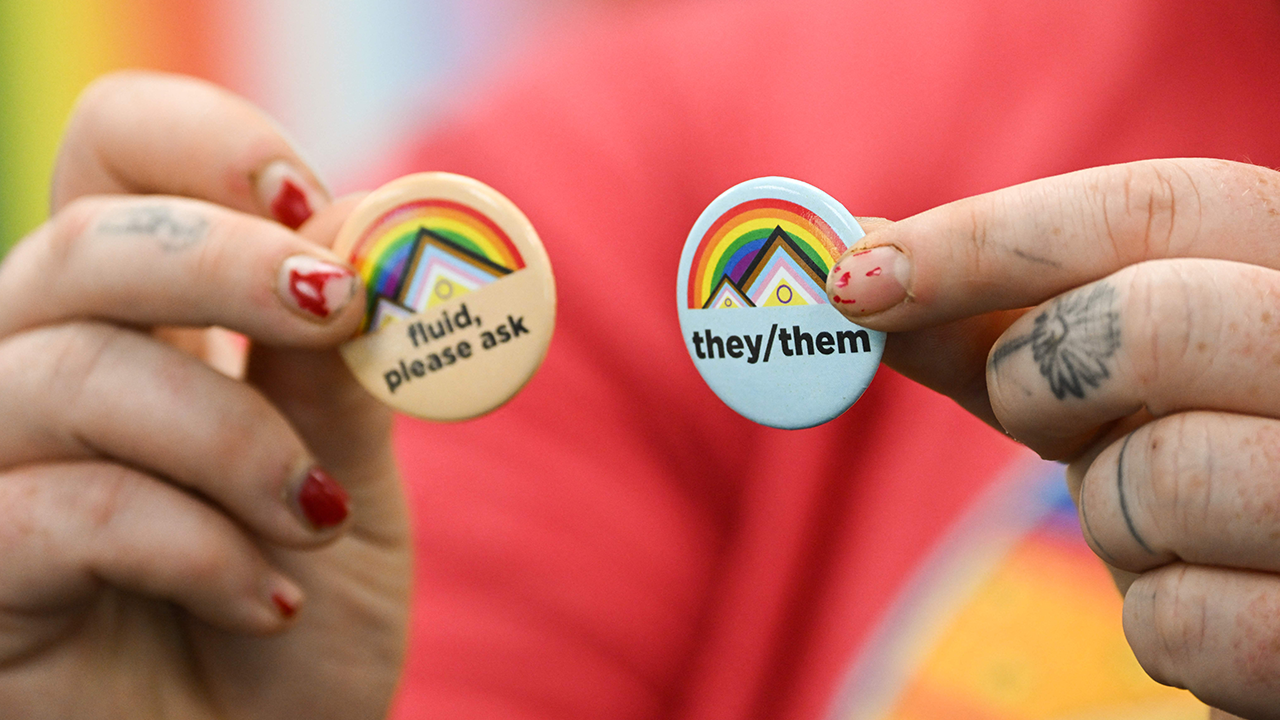
The Chesapeake School Board in Virginia voted 7-2 to amend its professional conduct policy, prohibiting employees from compelling others to use personal titles or pronouns that differ from someone's biological sex. The new policy is framed as protecting employees' and students' constitutional rights, particularly concerning freedom of speech. The changes mean staff cannot force others to address them or others by preferred pronouns that don't correspond with biological sex, nor can they provide students with such pronouns if they don't match the student's sex. The board clarified this policy applies primarily to employees, and issues involving students will continue to be addressed on a case-by-case basis, involving parents. The change followed significant public comment, with strong opposition from LGBTQ+ advocates and concerns raised by local media that the policy could lead to discrimination against transgender staff and students. The article also notes legal settlements in similar cases where teachers were disciplined or terminated for refusing to use preferred pronouns, highlighting the national debate over compelled speech and transgender rights in education.
Biblical Reflection
From a Scriptural perspective, this news story sits at the intersection of truth, love, and the challenge of living in a pluralistic society. The Bible upholds both the value of every individual as made in the image of God (Genesis 1:27) and the call to speak the truth in love (Ephesians 4:15). The school board's decision is rooted in upholding freedom of conscience and speech, which aligns with the biblical principle that no one should be forced to violate their deeply held beliefs (Acts 5:29). However, Christians are also called to treat all people with dignity, compassion, and respect, regardless of their beliefs or identity (Colossians 4:5-6). The heated debate and the pain on both sides reveal the difficulty of balancing conviction with Christlike kindness. Followers of Christ must examine their own hearts: Are they standing for truth with humility and gentleness? Are they showing love to those who disagree? In the midst of cultural conflict, Christians are called to be peacemakers (Matthew 5:9), seeking to understand, listen, and build bridges—even when upholding their convictions. The challenge remains to honor both truth and neighbor, not resorting to hostility or contempt, but striving for a witness marked by both grace and integrity.
Scripture in context
This outlook does not yet include contextual Scripture citations. Do not treat a general biblical theme as an exegetical conclusion.
Faithful Response
No prescribed response is offered. Consider the reflection prompts below in your own church context.
Reflection and Discussion
- 1How do I balance holding to my beliefs while treating others—especially those I disagree with—with genuine Christlike love?
- 2In what ways might my words or actions either build bridges or create barriers in conversations about identity and truth?
- 3How can I pray for wisdom to speak truth with grace in contentious cultural matters?
Sources
Reporting links are evidence inputs; Sanctuary News' biblical reflection is commentary.
This outlook currently relies on fewer than two linked sources. Broaden verification before teaching from it.
- 1.Original reportprimary